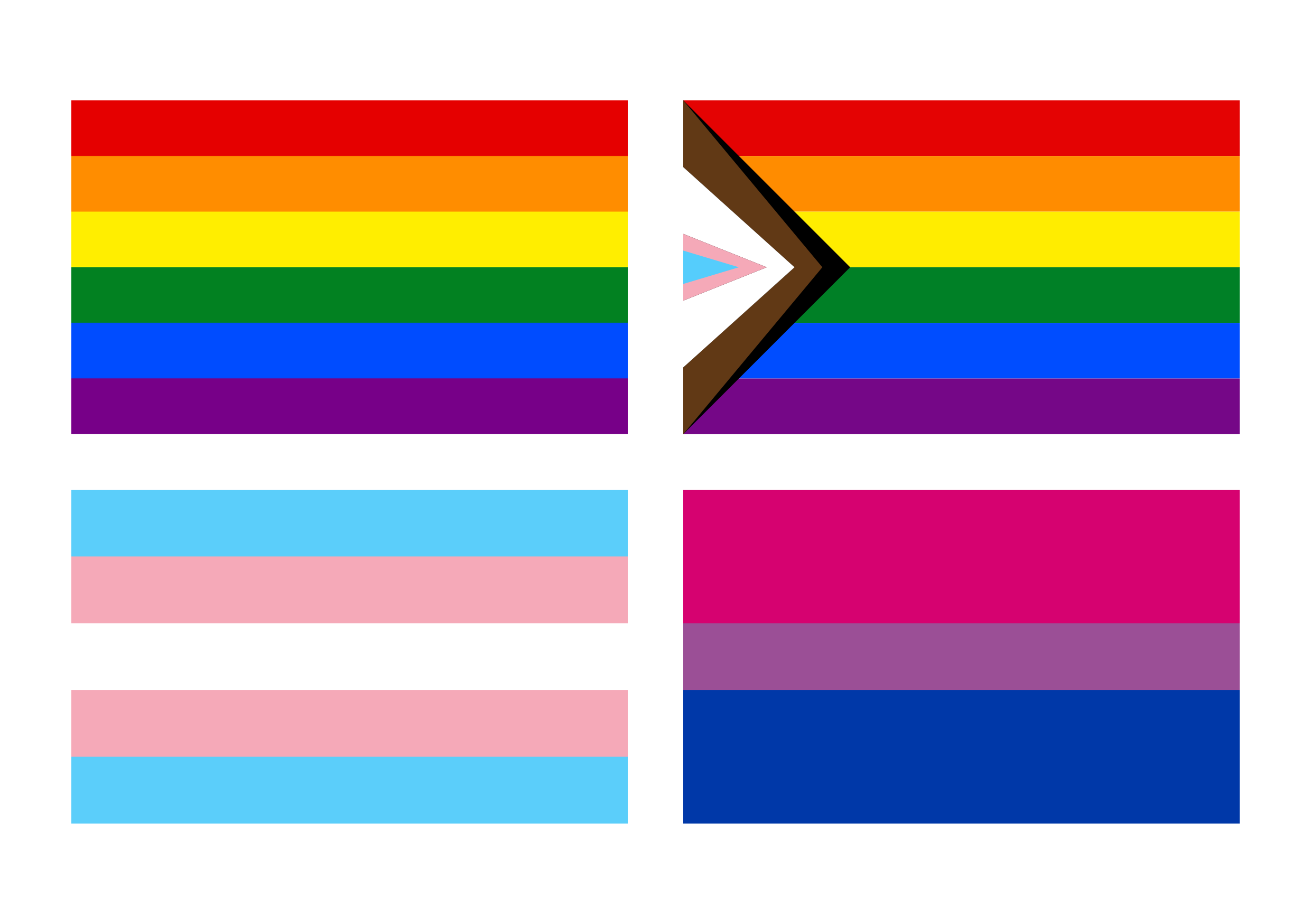
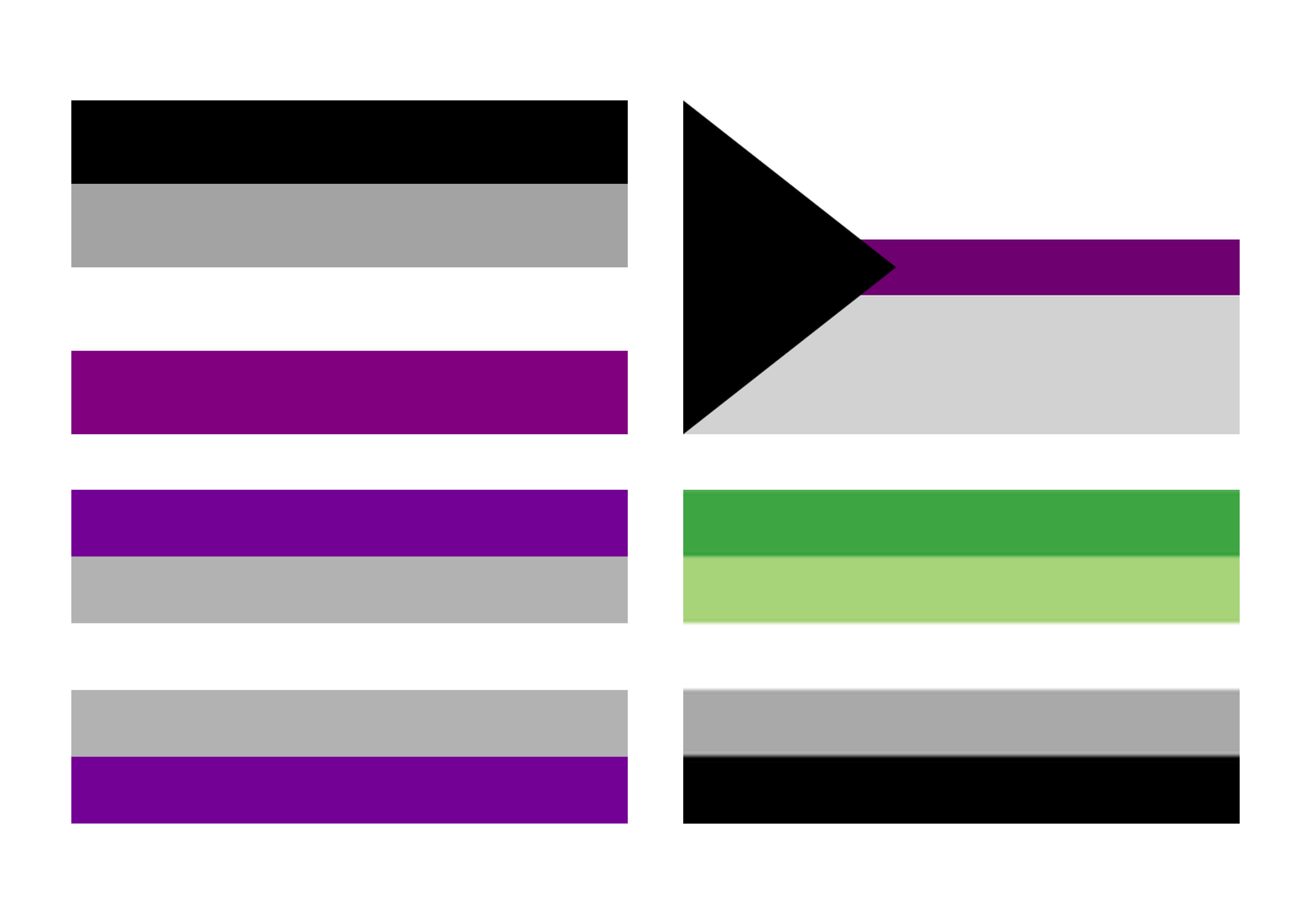
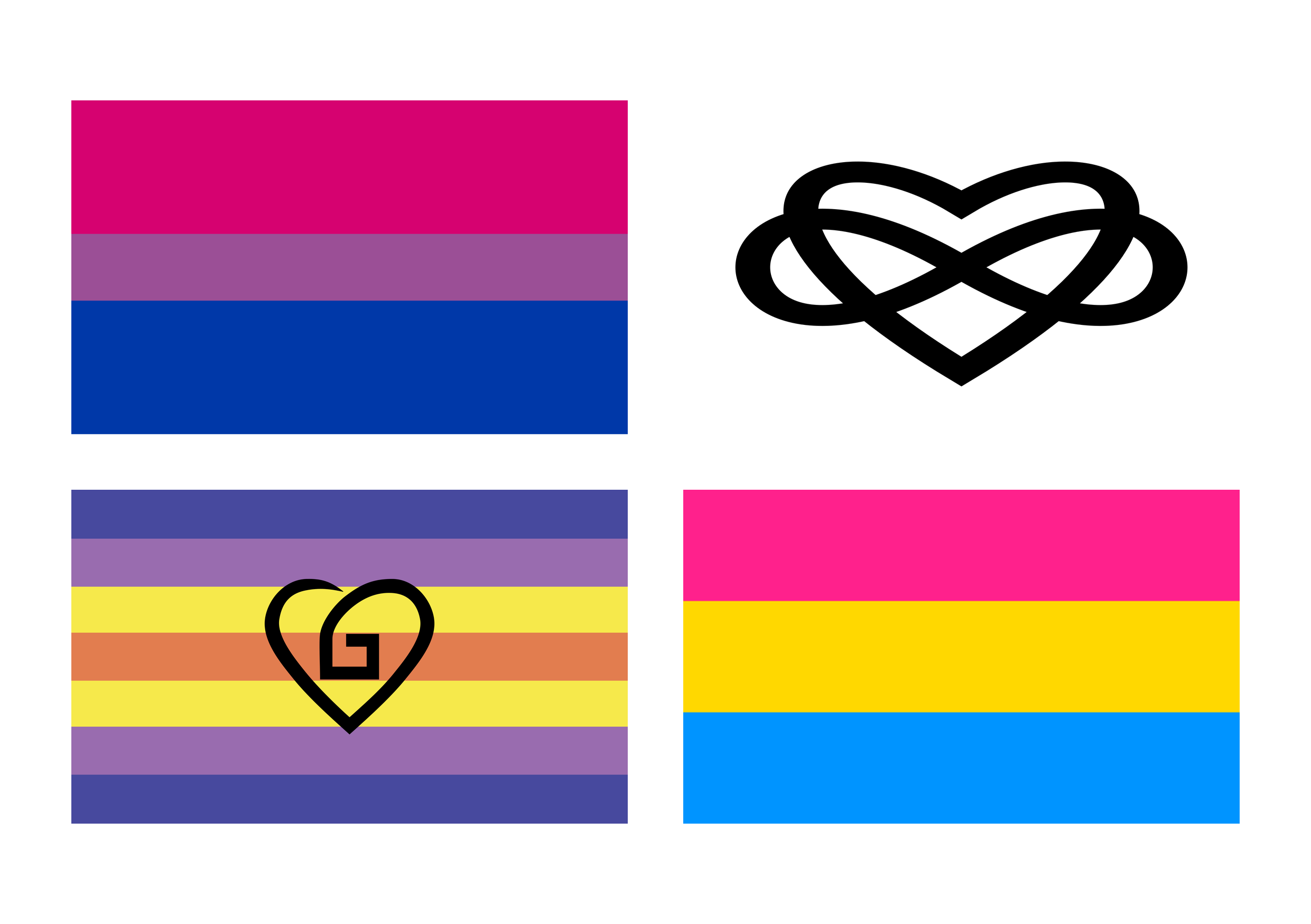
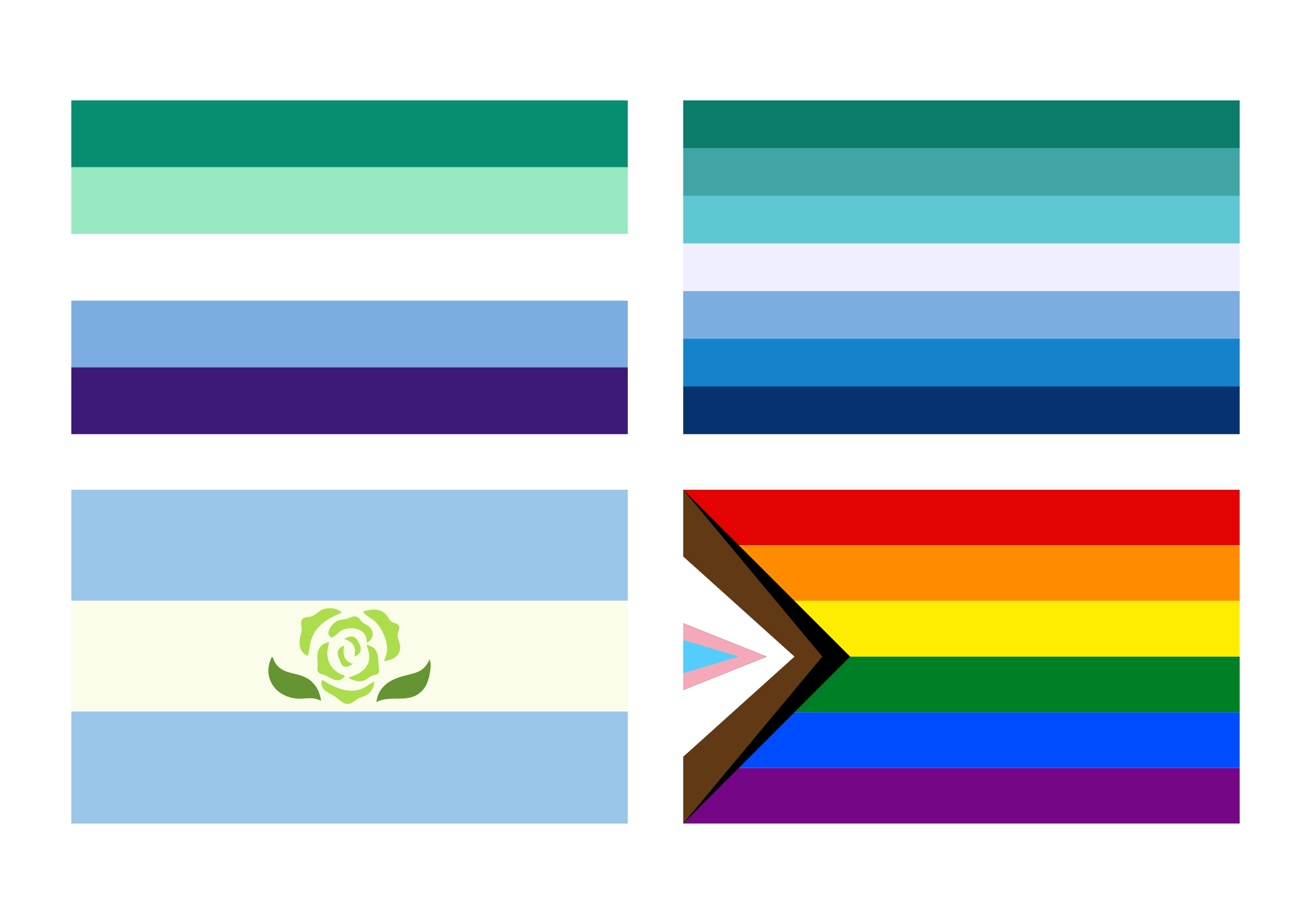
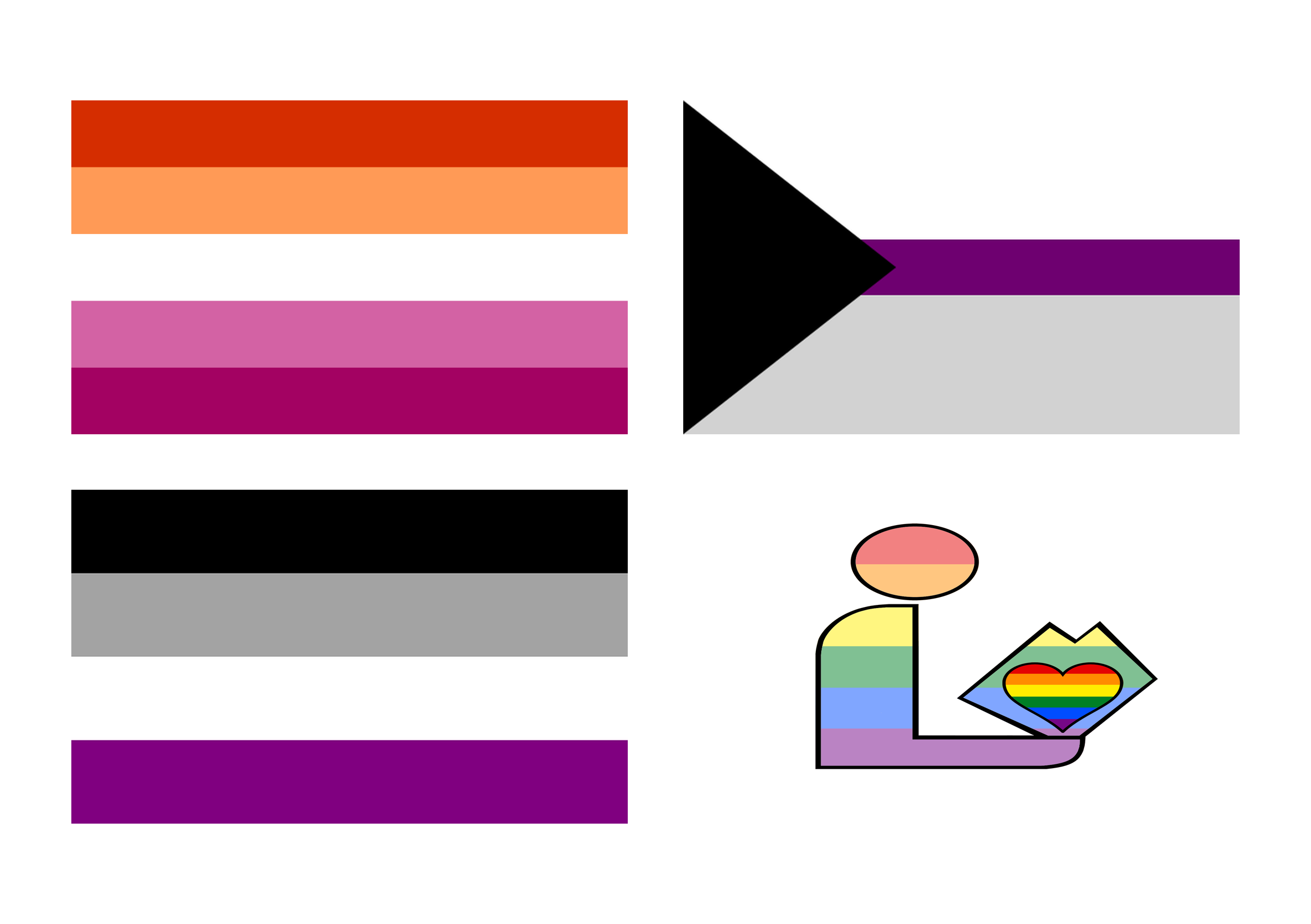
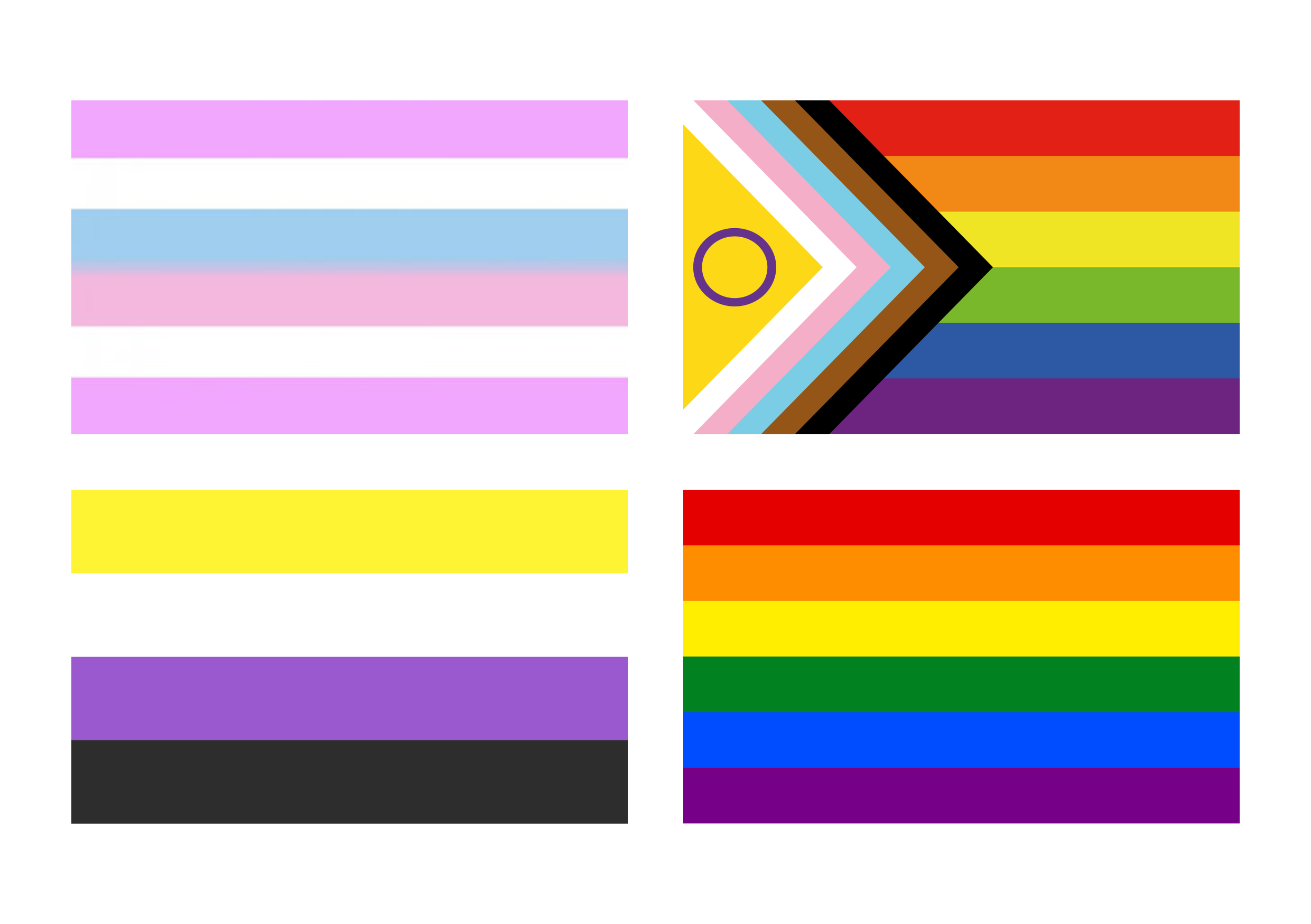
These colors represent important ideas connected to this flag and community.
History
The bisexual pride flag was designed by Michael Page in 1998 as a symbol to represent the bisexual community within the LGBTQ+ movement. The flag features three equal horizontal stripes: pink on top, purple in the middle, and blue on the bottom. According to Page's original design rationale, the pink represents attraction to the same sex, the blue represents attraction to different sexes, and the purple stripe in the middle symbolizes the overlap and fluidity of attraction across gender boundaries. The flag gained significant adoption throughout the 2000s and 2010s as bisexual visibility and community organizing increased. Today, it is one of the most widely recognized pride flags and is used globally by bisexual individuals and communities to represent their sexual orientation and identity.