Every Pride Flag, Explained.
286 flags and counting — browse by color, identity, or just explore.
The Essential Flags
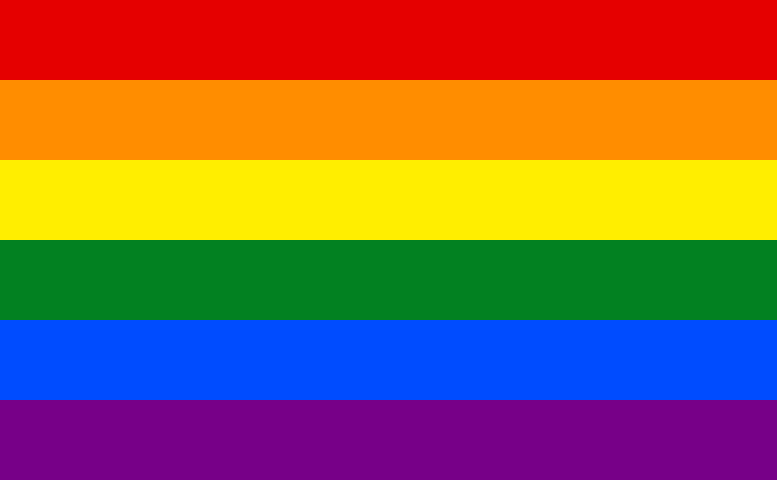
Rainbow Pride Flag
The iconic six-stripe rainbow flag standing for LGBTQ+ people—everyone whose sexuality or gender doesn't fit straight, cisgender norms—and their shared pride.
1978
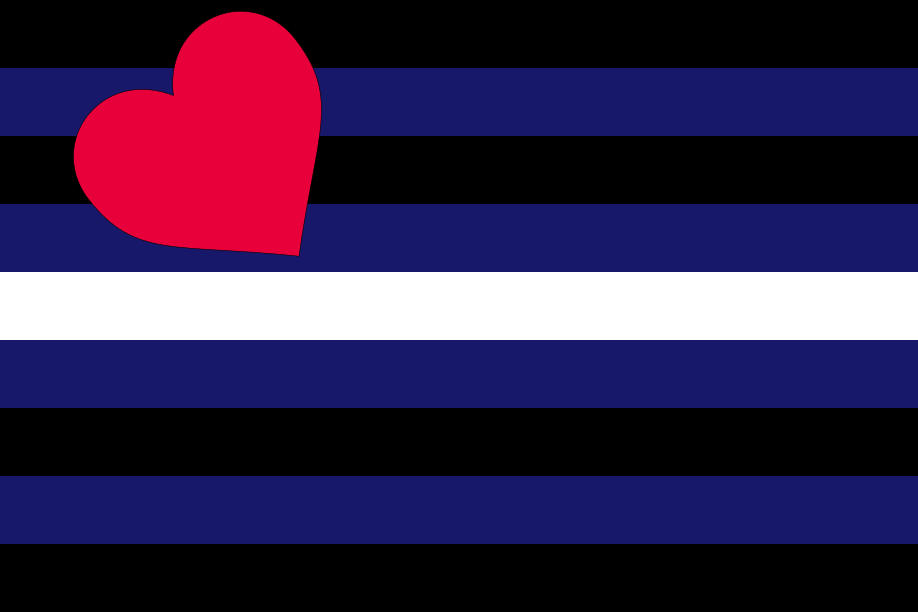
Leather, Latex, and BDSM Pride Flag
A pride flag for the leather, latex, and BDSM communities—adults who enjoy power-play, kink, and fetish wear as part of consensual sexuality.
1989
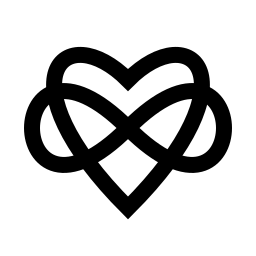
Polyamory Simple
A minimalist polyamory symbol combining a heart and an infinity sign, for people in consensual relationships with more than one partner.
1995
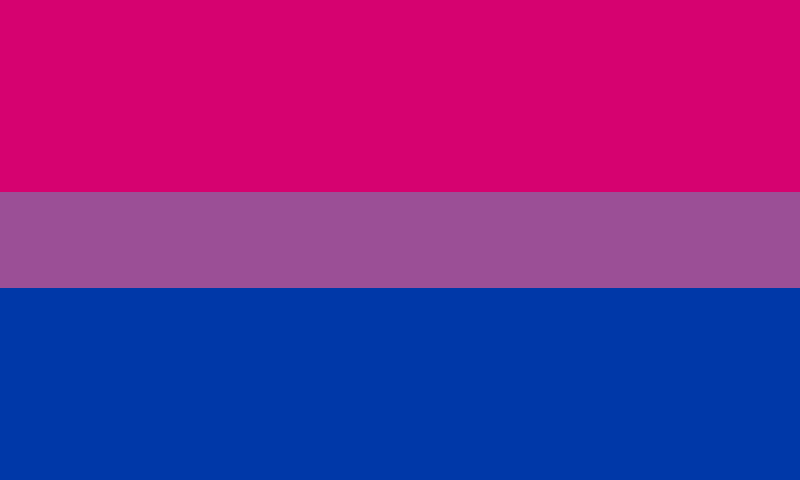
Bisexual Pride Flag
A three-striped flag representing bisexual identity, with pink and blue stripes representing same and different-gender attraction, and a blended lavender center symbolizing bisexuality.
1998
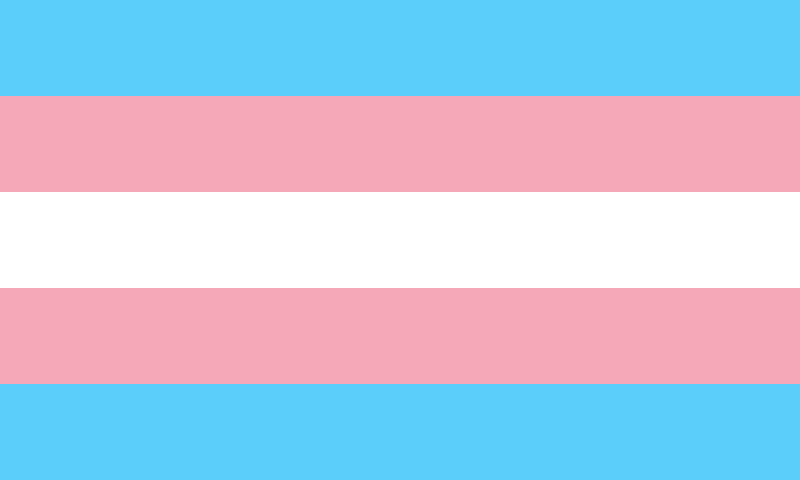
Transgender Pride Flag
The Transgender Pride Flag, for people whose gender doesn't match the sex they were assigned at birth, designed by Monica Helms in 1999.
1999
Intersex Pride Flag
A flag for intersex people—those born with bodies (chromosomes, hormones, or anatomy) that don't fit typical definitions of male or female.
2009
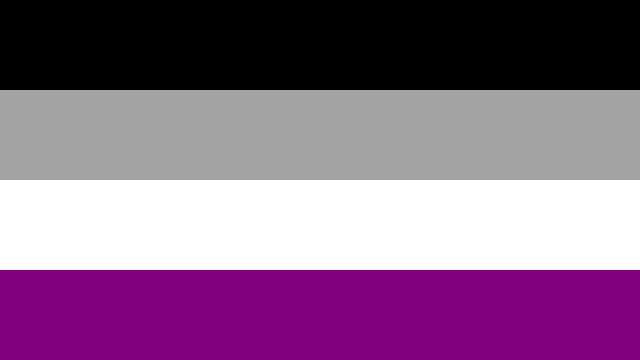
Asexual Flag
A flag for asexual people, meaning people who feel little or no sexual attraction to others, adopted by AVEN in 2010.
2010
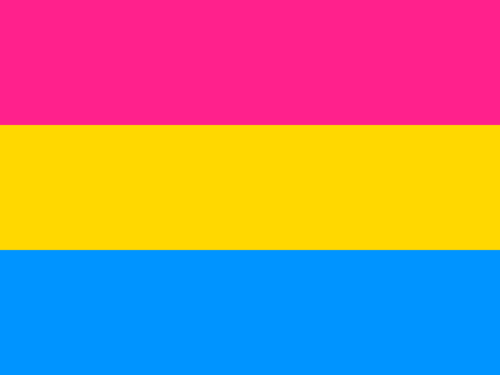
Pansexuality Flag
A flag for pansexual people, who can be attracted to people of any gender—men, women, nonbinary people, and anyone else.
2010
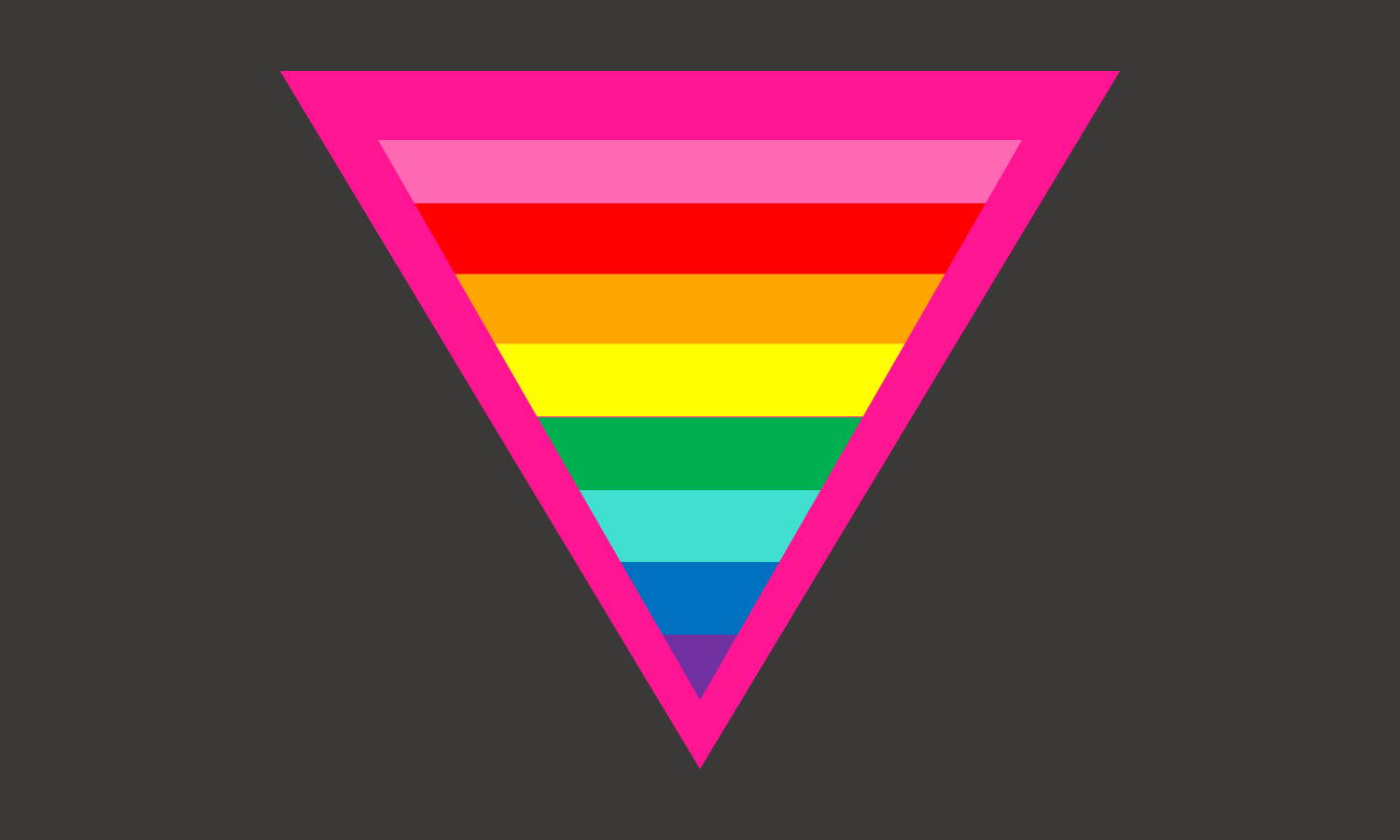
Queer Pride Flag
A flag for people who identify as queer, an umbrella term for anyone whose sexuality or gender doesn't fit straight or cisgender norms.
2010
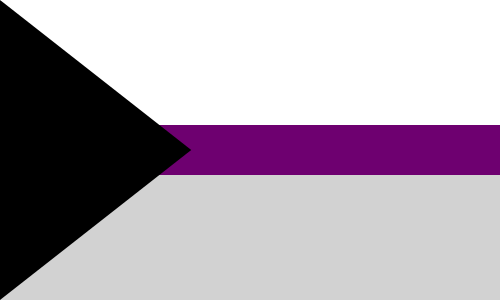
Demisexual Flag
A flag representing demisexuality, the orientation of experiencing sexual attraction only after forming strong emotional bonds.
2012
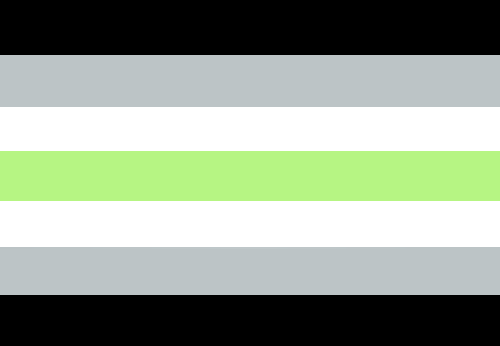
Agender Flag
A historical variant design of the agender pride flag using black, grey, white, and green to represent genderlessness.
2014

Aromantic Flag
The Aromantic Flag represents individuals who experience little to no romantic attraction, celebrating aromantic identity and community.
2014
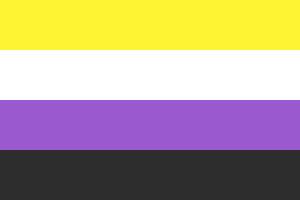
Nonbinary Pride Flag
A flag representing nonbinary gender identities and experiences outside the gender binary.
2014
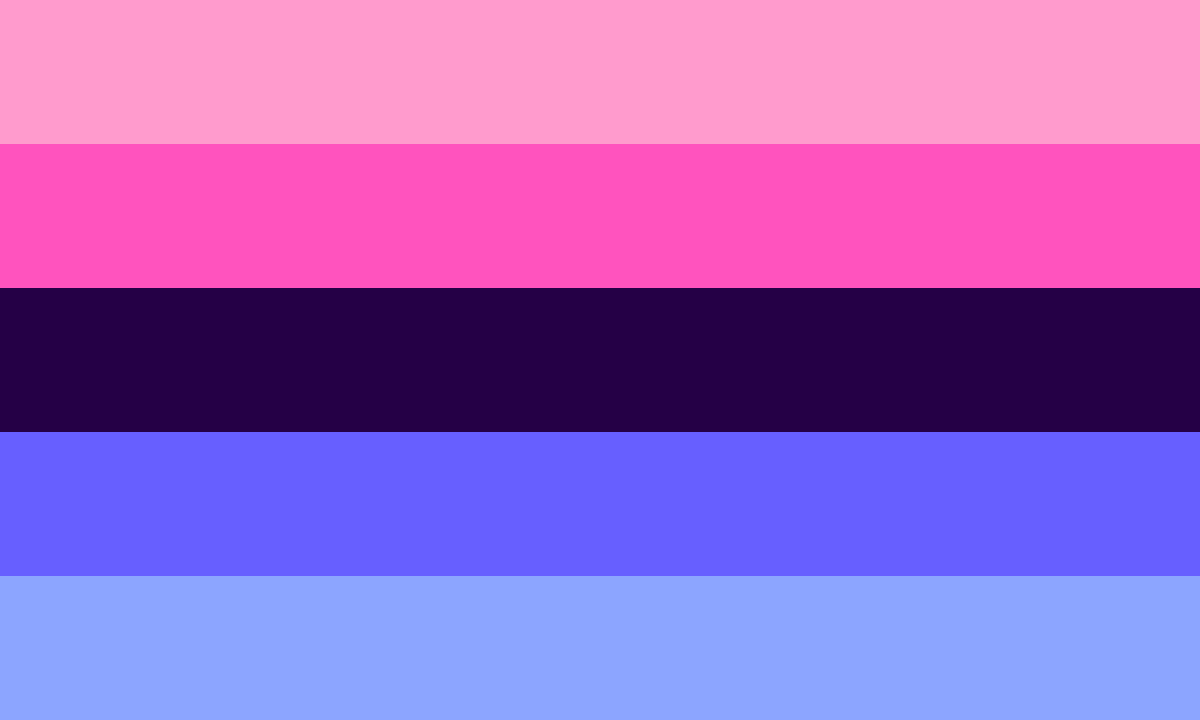
Omnisexuality Flag
A flag for omnisexual people—those attracted to all genders, with gender still being a noticeable part of how attraction feels.
2015
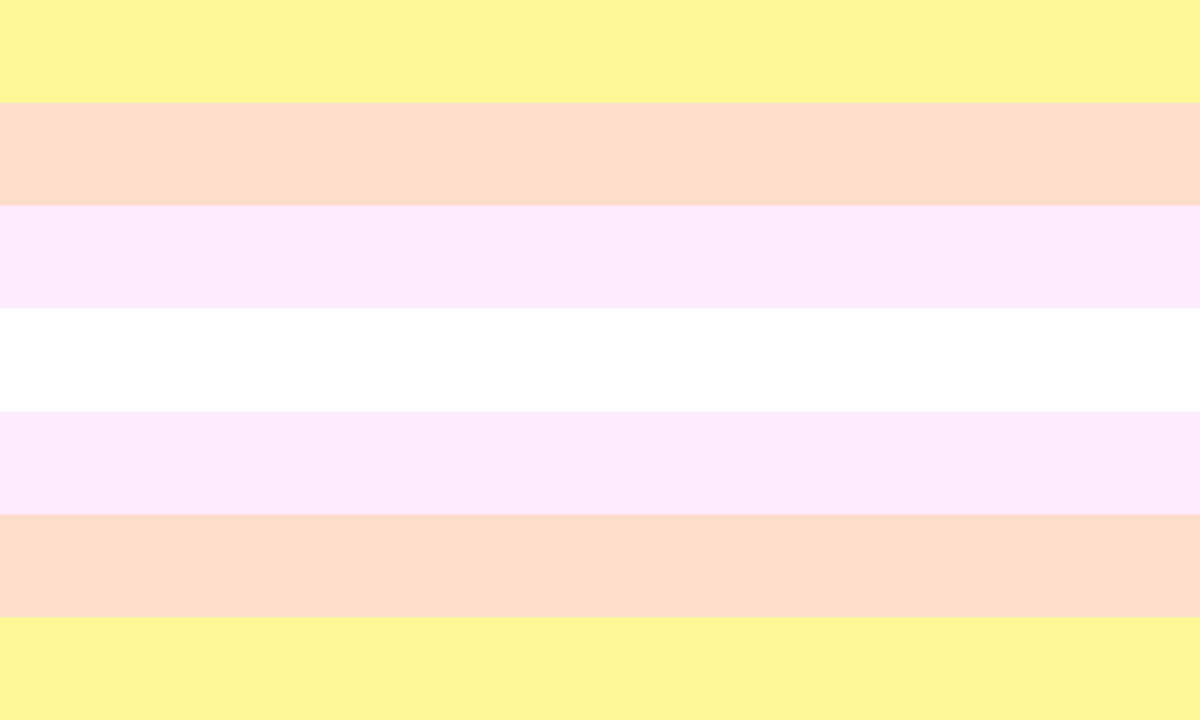
Pangender Flag
A flag for pangender people, whose gender includes many genders at once or a wide, expansive sense of gender that goes beyond just male or female.
2015
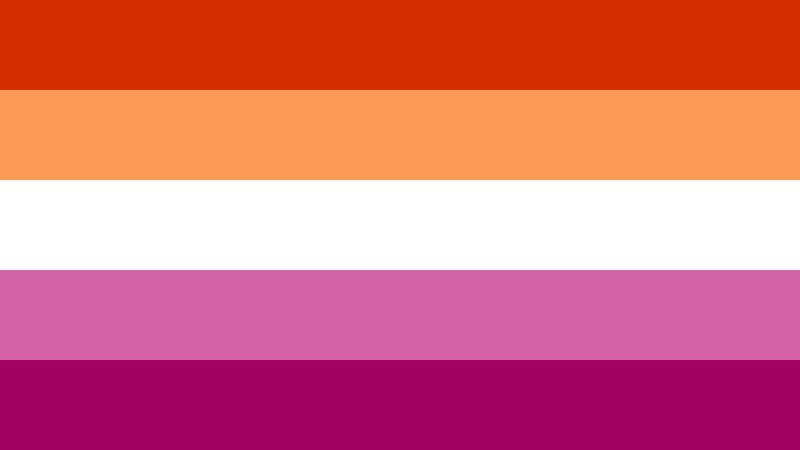
Lesbian Pride Flag 2019
A pride flag for lesbians—women who are romantically and sexually attracted to other women—designed through community polling in the late 2010s.
2018
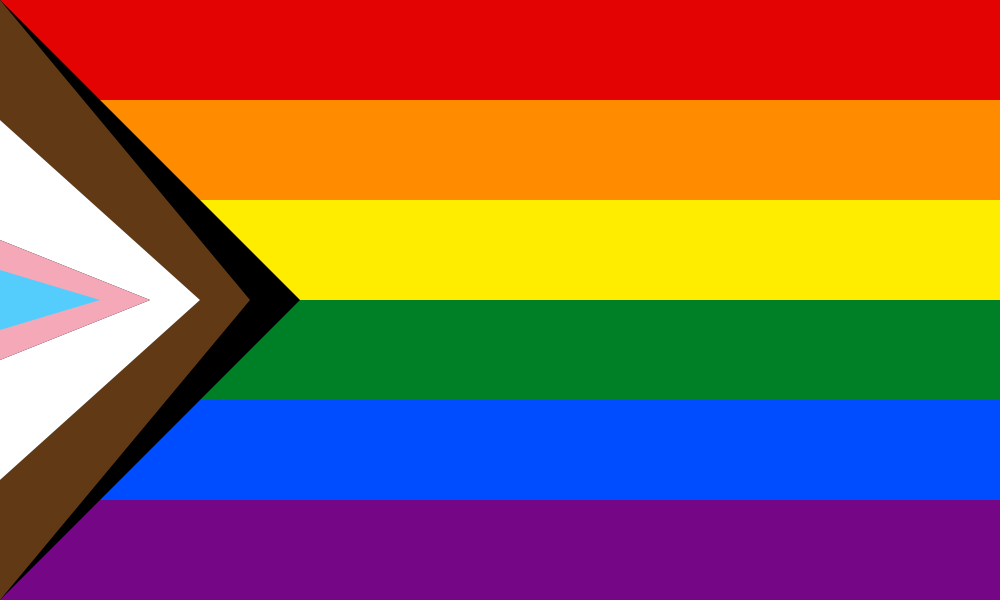
Progress Pride Flag
A flag representing LGBTQ+ progress and inclusion, incorporating the transgender flag colors and representation for people of color within a forward-pointing chevron design.
2018
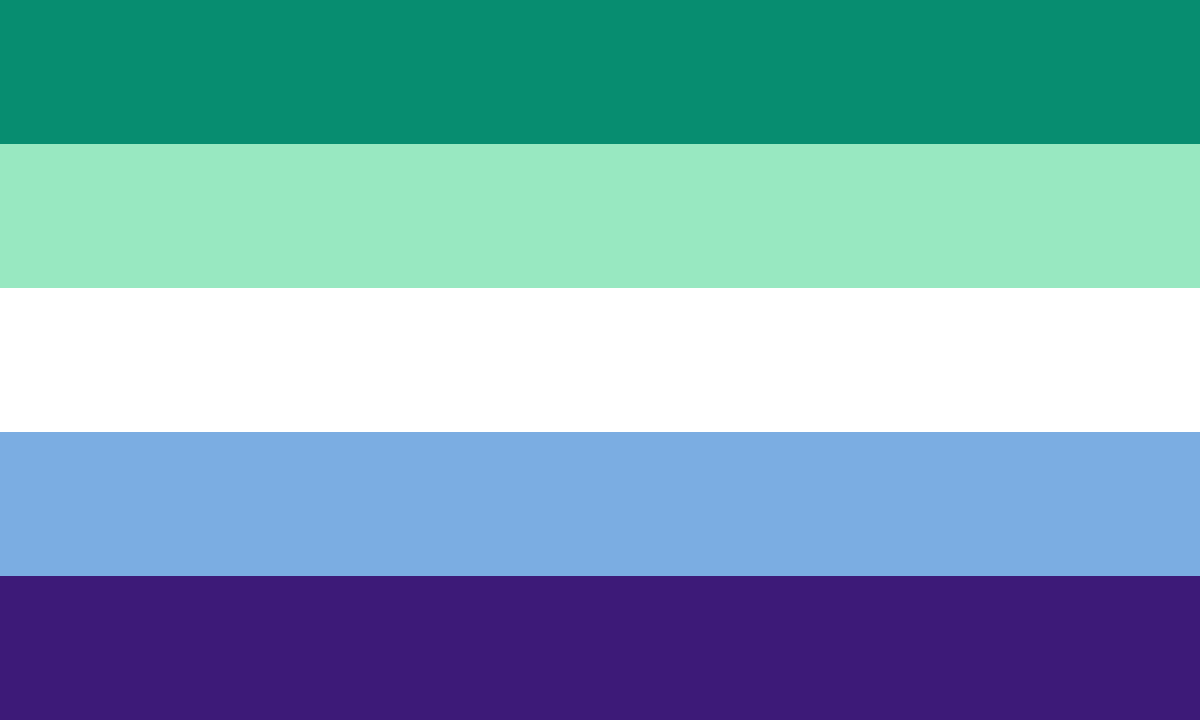
5-striped New Gay Male Pride Flag
A modern five-striped pride flag representing gay men and the broader gay male community.
2019
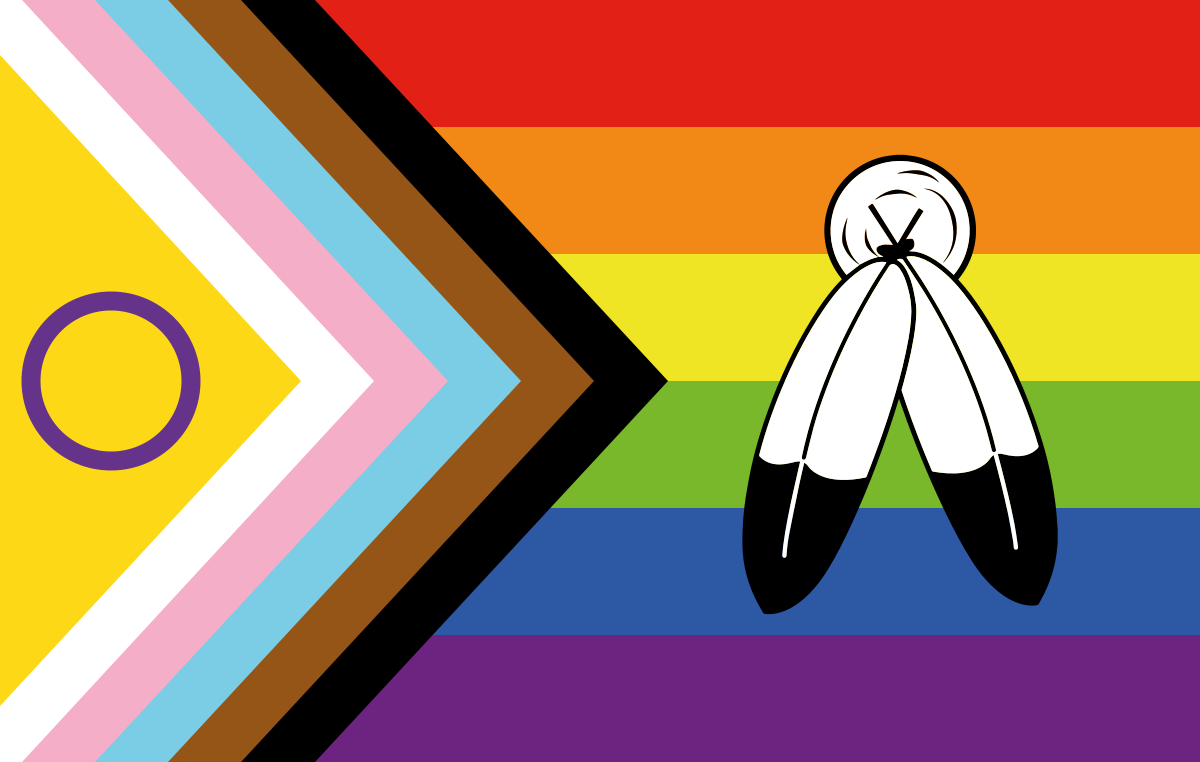
Progress Pride Flag (intersex & two-spirit version)
A variation of the Progress Pride Flag that represents intersex and Two-Spirit identities within LGBTQ+ and Indigenous communities.
2021
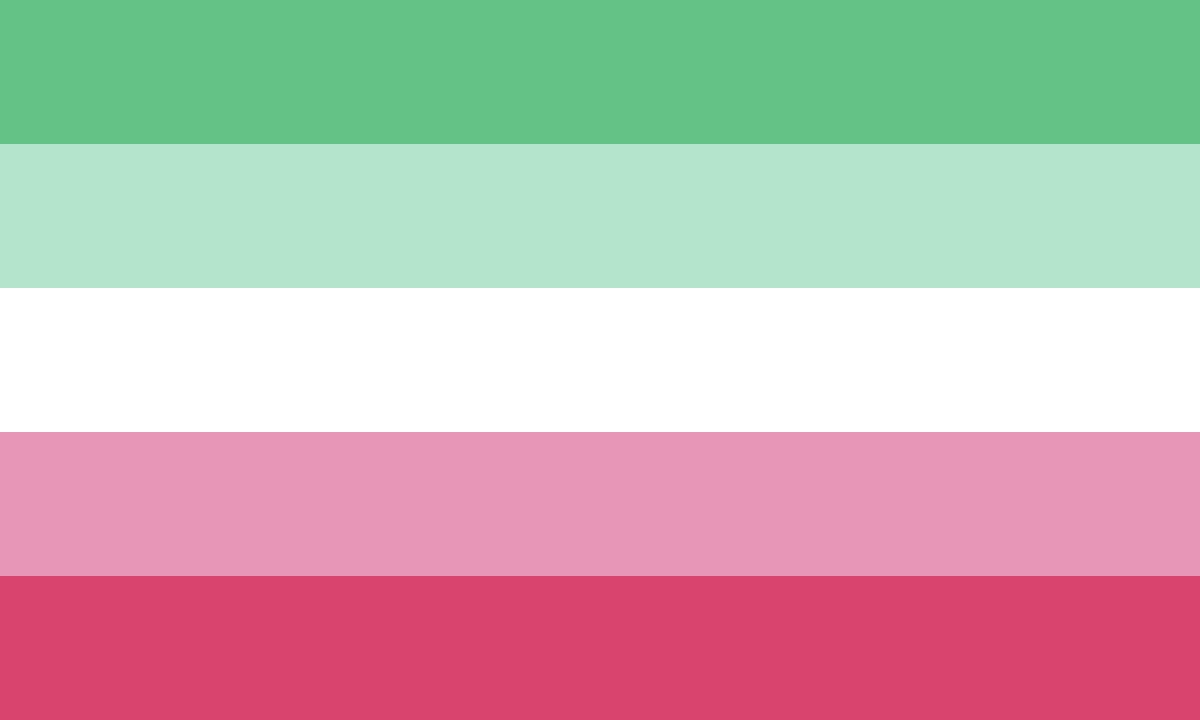
Abrosexual Flag
A flag representing people whose sexual attraction shifts or fluctuates over time between different orientations or between sexual and asexual.
Unknown year
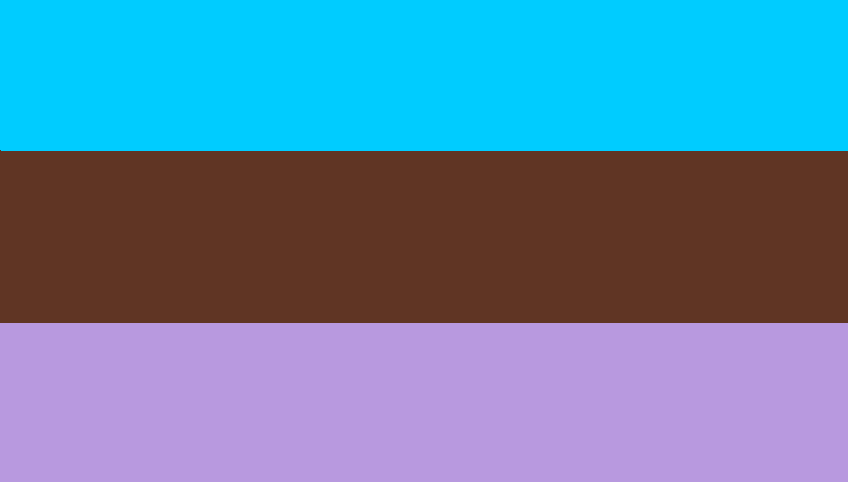
Androsexual Pride Flag
A flag representing androsexuality, the attraction to masculinity or male-presenting people regardless of gender.
Unknown year
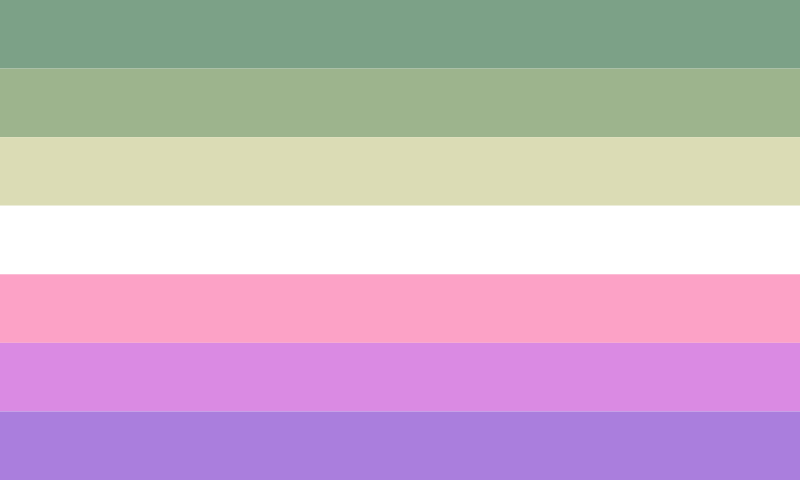
Genderfae
Genderfae is a pride flag representing individuals with fluid or fluctuating gender identity.
Unknown year
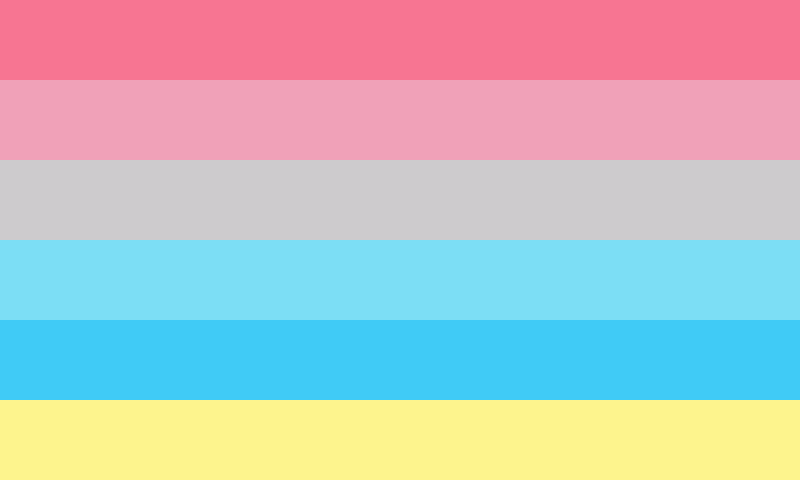
Genderflux Pride Flag
A flag representing genderflux individuals whose gender identity fluctuates in intensity or expression over time.
Unknown year
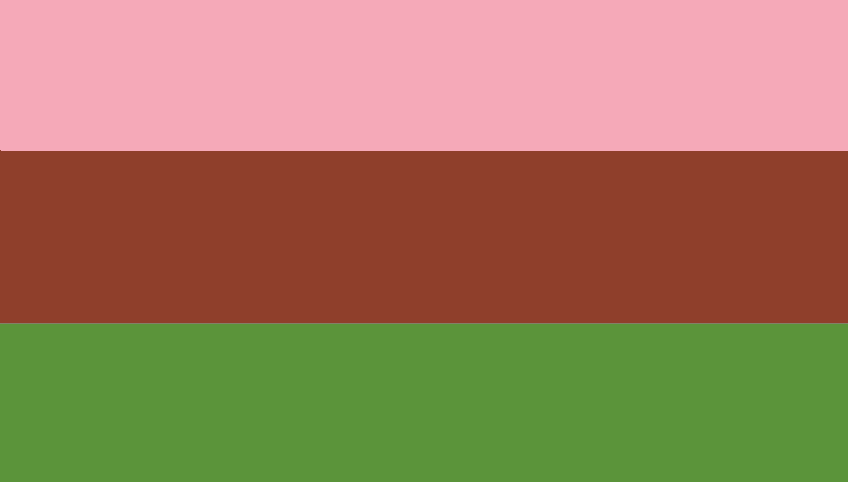
Gynesexual Pride Flag
A pride flag representing gynesexuality, the attraction to femininity or female-presenting people regardless of gender.
Unknown year
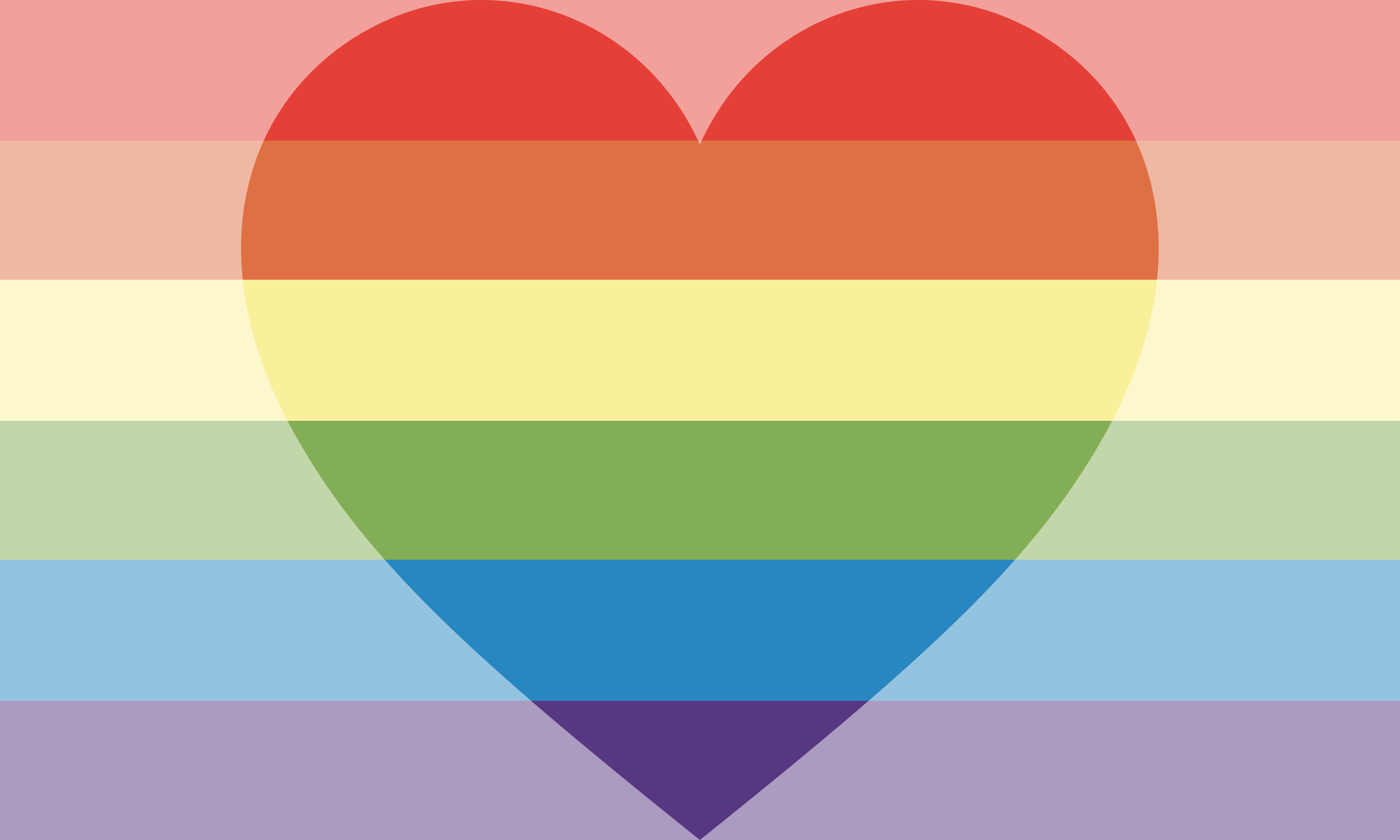
Homoromantic Pride Flag
A pride flag representing individuals who experience romantic attraction exclusively to people of the same gender.
Unknown year
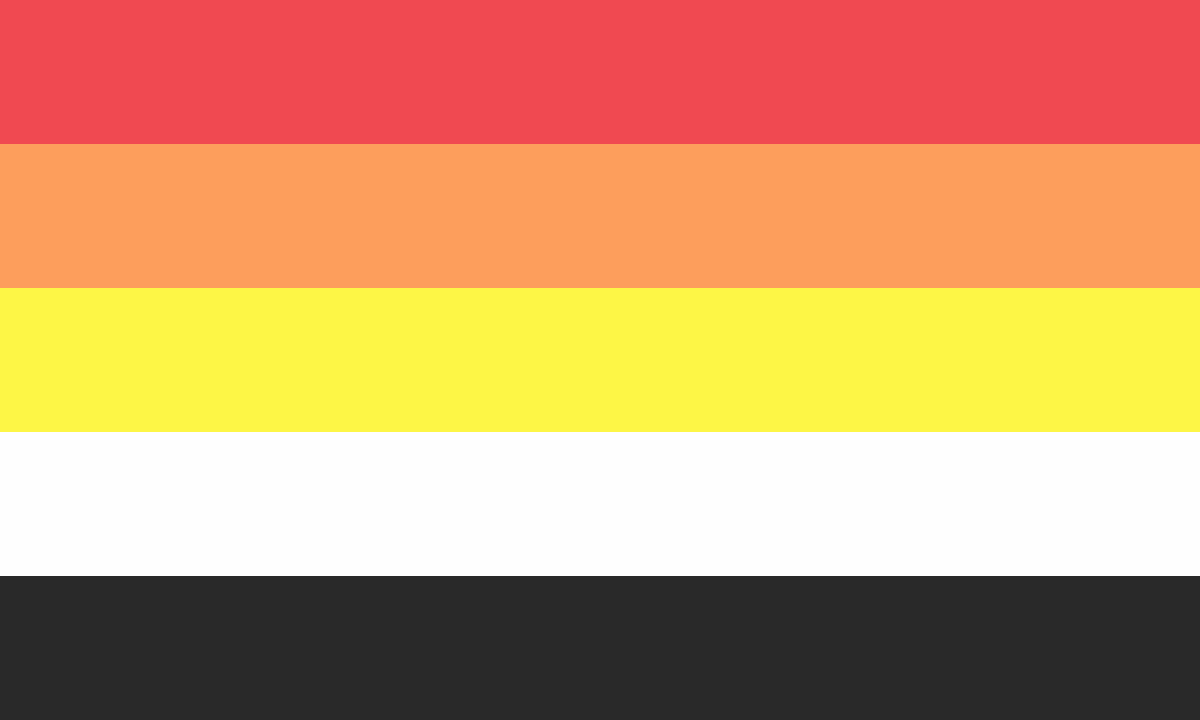
Lithromantic Flag
The lithromantic flag represents individuals who experience romantic attraction that does not desire reciprocation or diminishes when reciprocated.
Unknown year
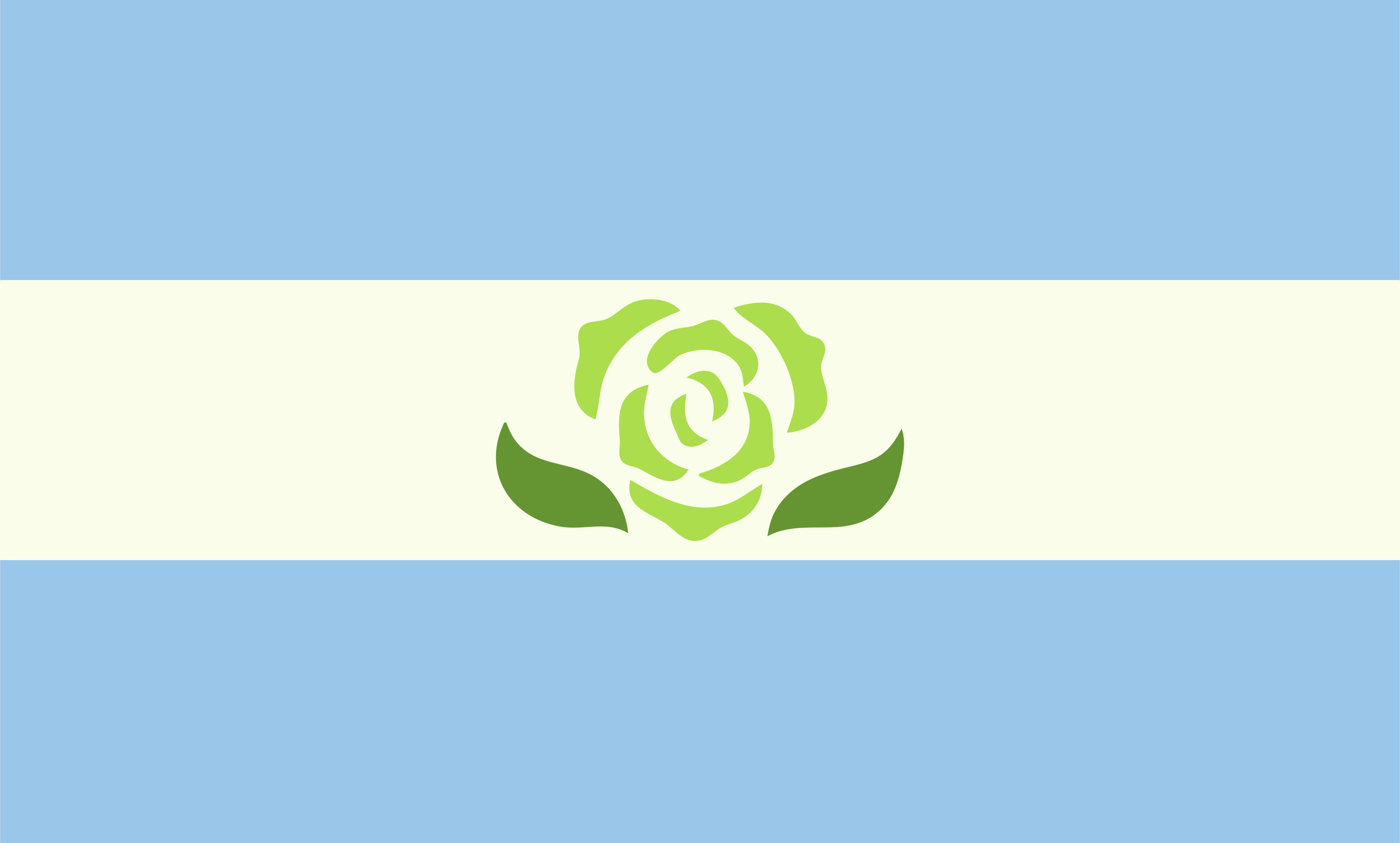
MLM Flag
A flag for MLM—men who love men, including gay and bisexual men and others attracted to men—celebrating same-gender attraction between men.
Unknown year
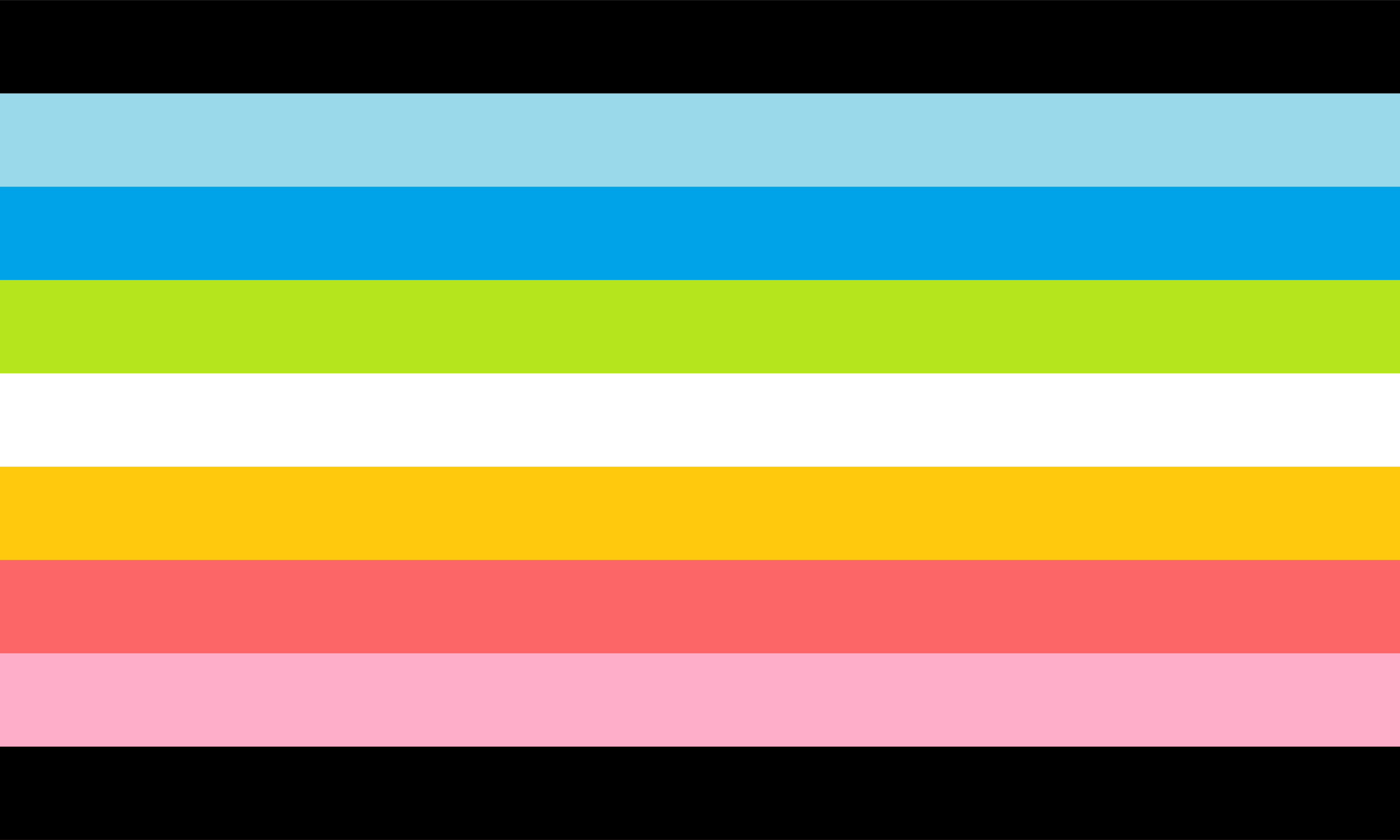
Queer Flag
A flag for people who call themselves queer, an umbrella term for anyone whose sexuality or gender does not fit straight or cisgender norms.
Unknown year
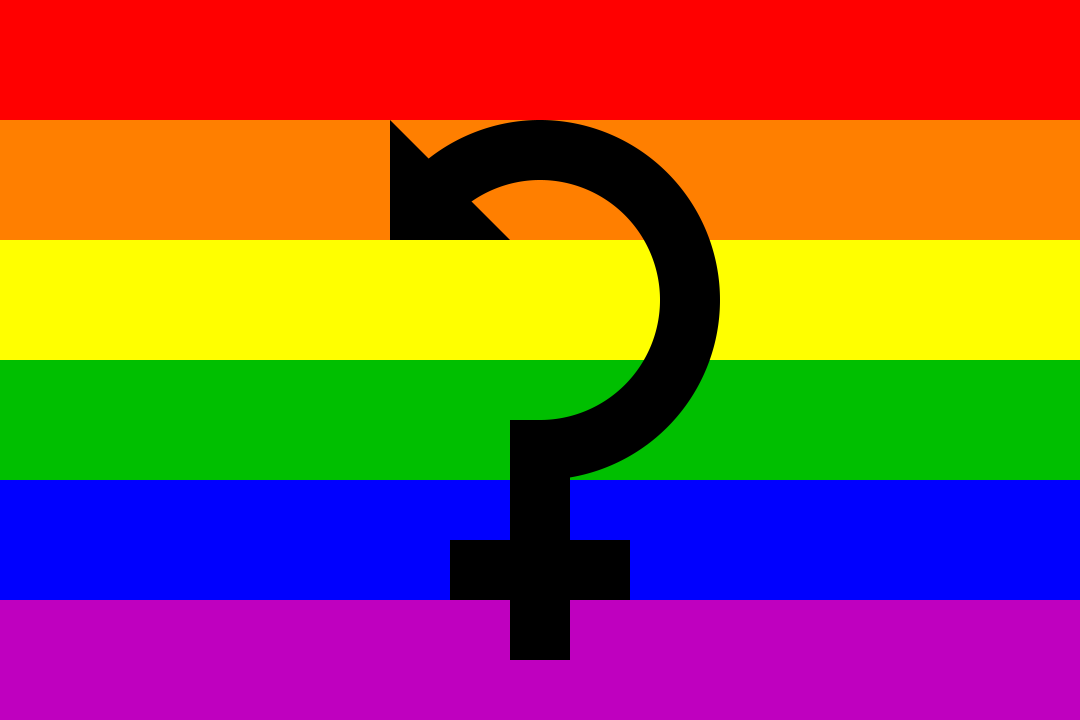
Questioning Flag
A flag for people who are still figuring out their sexual orientation or gender identity and aren't ready to claim a specific label.
Unknown year
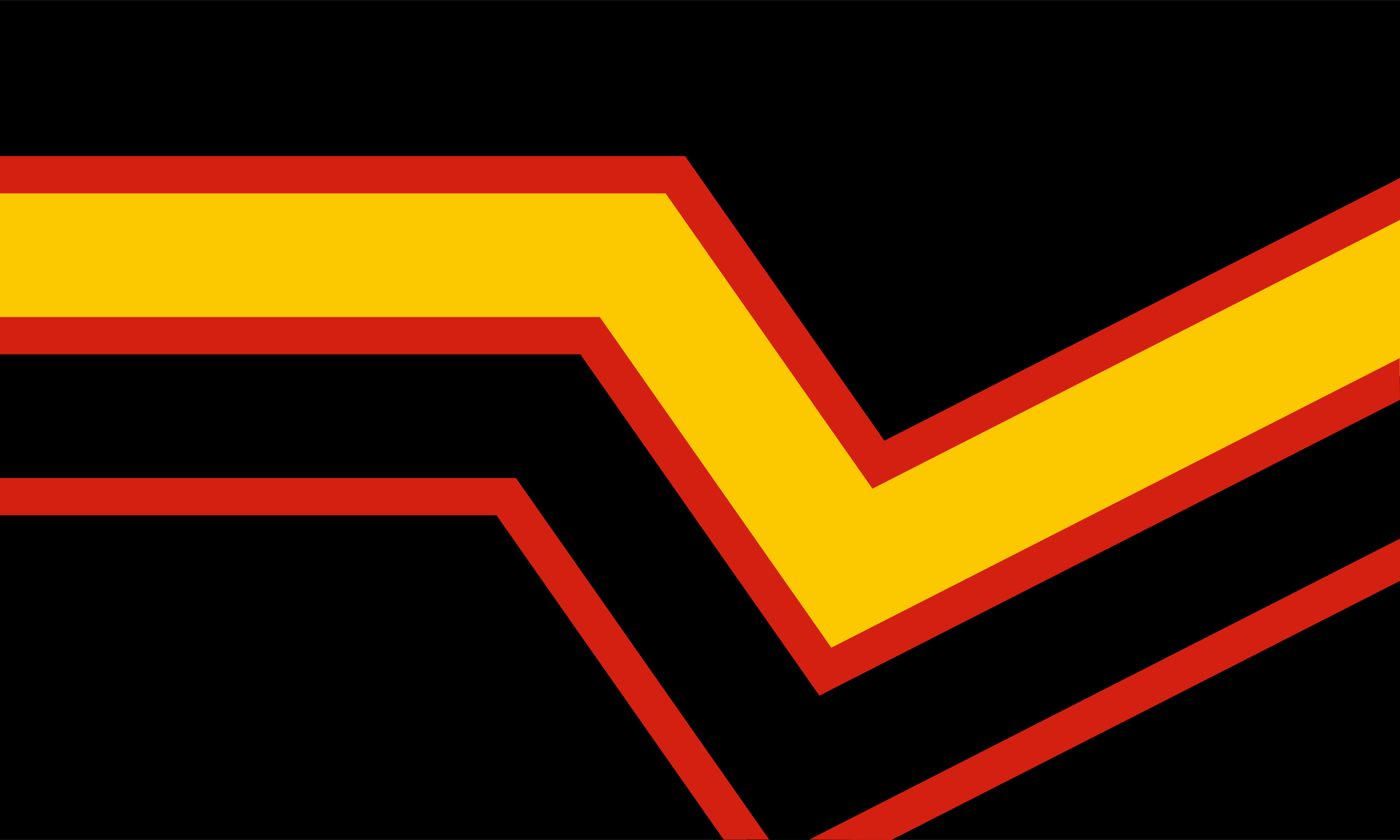
Rubber Fetish Pride Flag
A pride flag representing the rubber and latex fetish community.
Unknown year
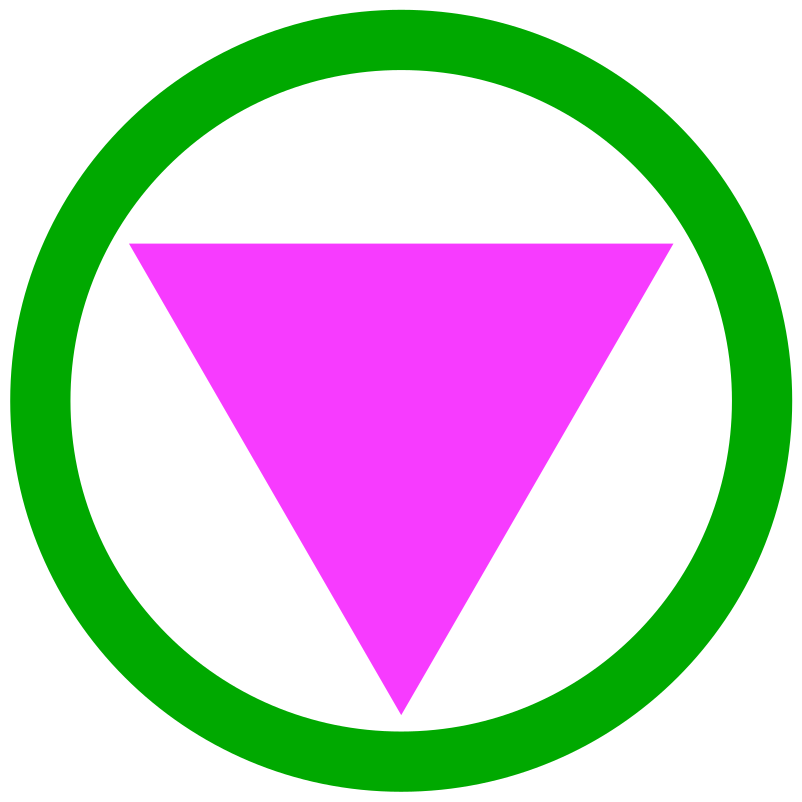
Straight Ally
A symbol for straight and cisgender allies—people who aren't LGBTQ+ themselves but stand up for LGBTQ+ rights and safe, welcoming spaces.
Unknown year
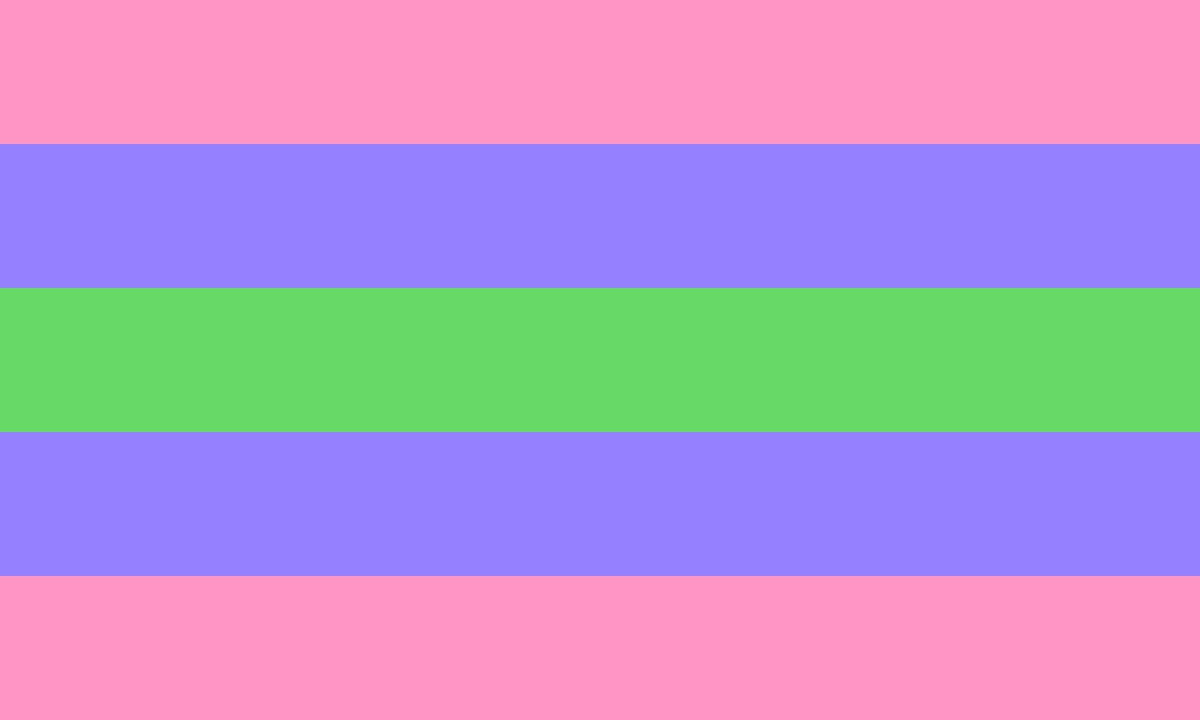
Trigender Flag
A flag for trigender people, who identify with three genders—either at the same time or shifting between them.
Unknown year
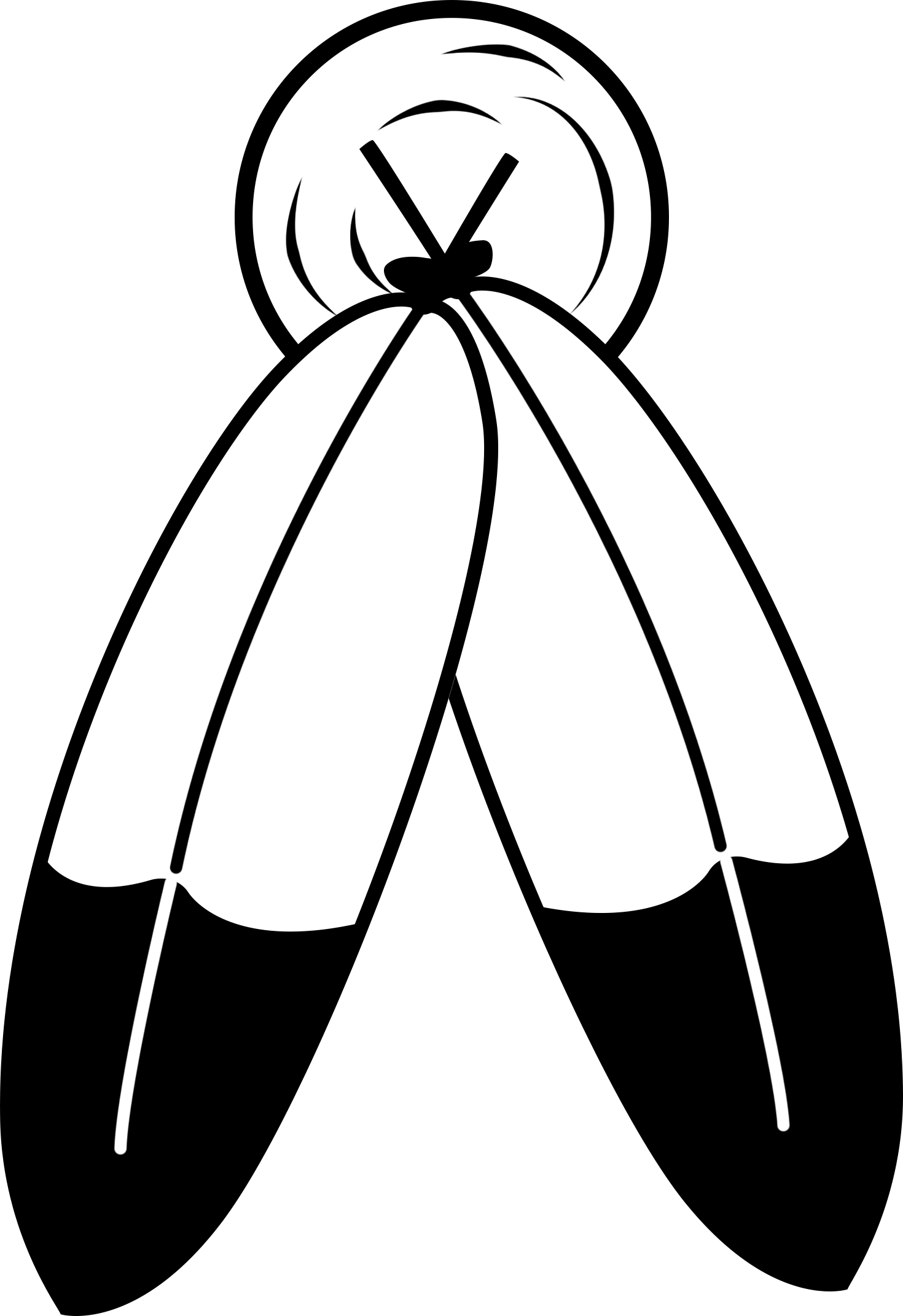
Two-Spirit Symbol
A symbol representing Two-Spirit people, Indigenous individuals embodying multiple gender identities within their cultural traditions.
Unknown year
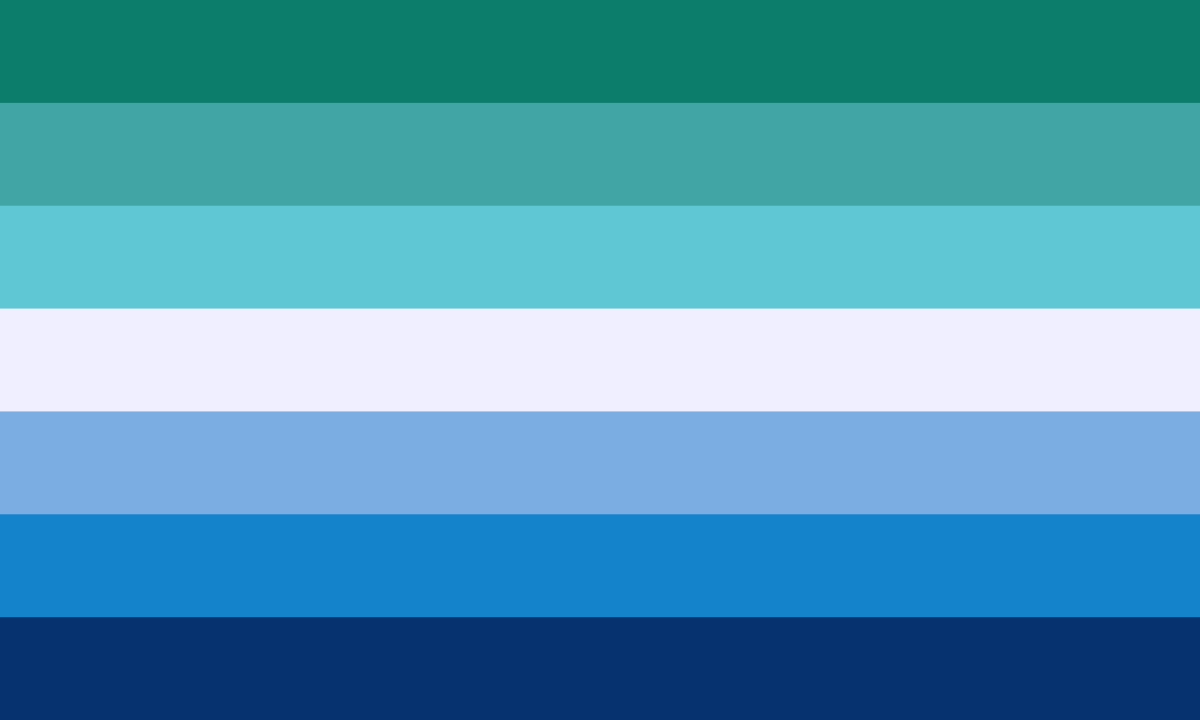
Vincian Flag
The original Vincian flag, for vincian men—men who are attracted to other men, sometimes called MLM (men loving men).
Unknown year

Xenogender pride flag
A pride flag representing xenogender identities—gender experiences that exist outside or beyond the traditional binary.
Unknown year
Browse by Color
Browse by Identity
We admire the work of Rainbow Railroad, a Canadian-based organization that helps LGBTQI+ people facing violence and persecution get to safety. If their mission resonates with you, you can support them directly.
Learn more or donate →