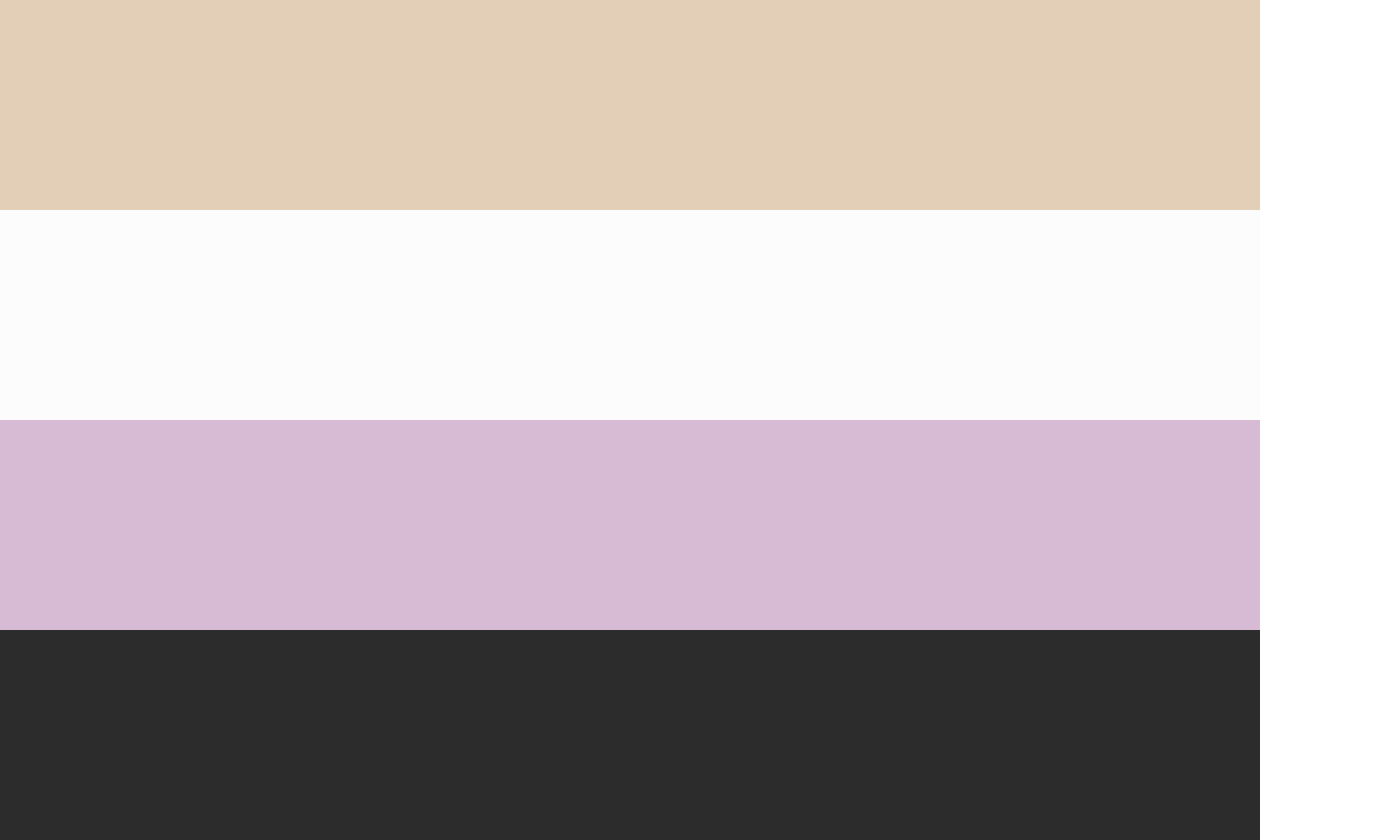
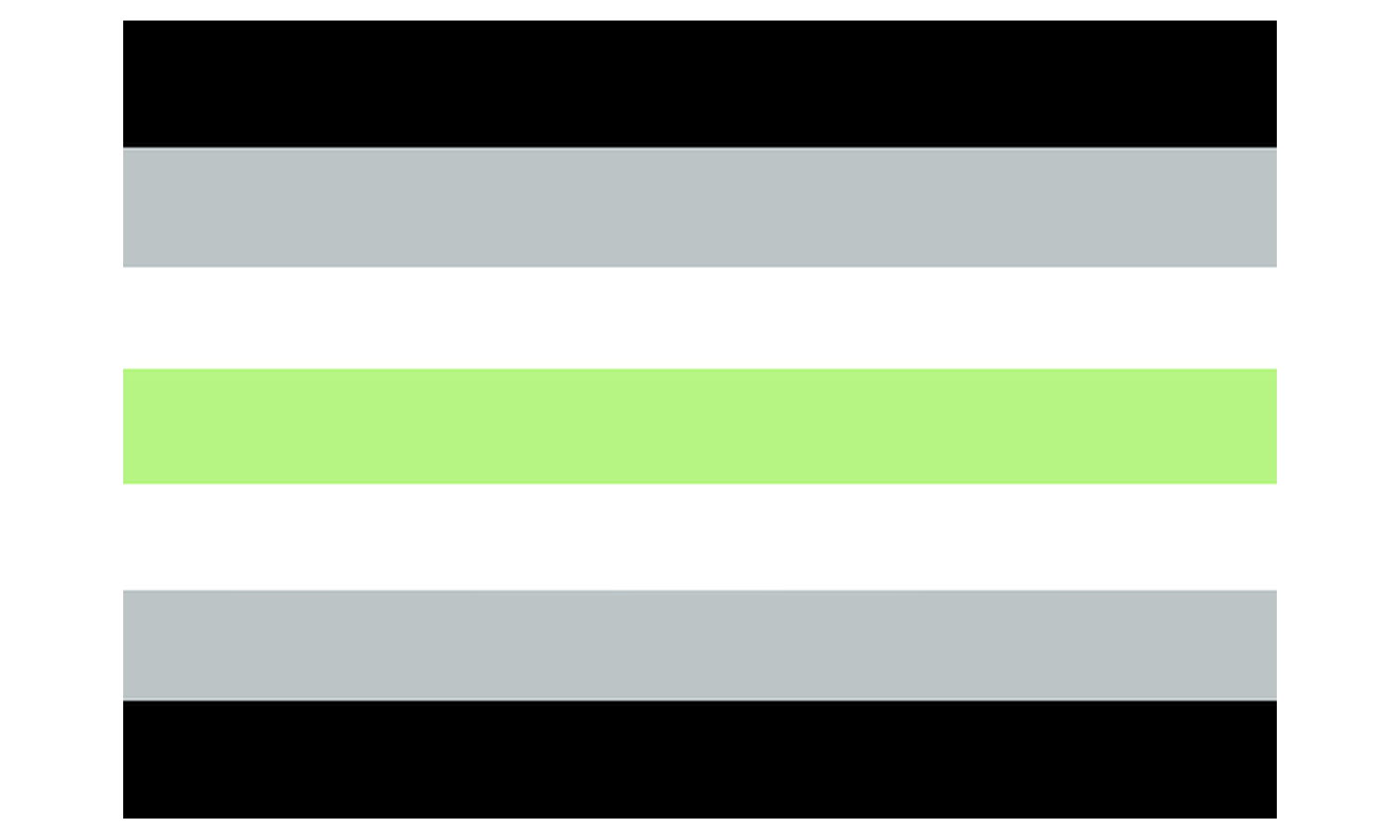
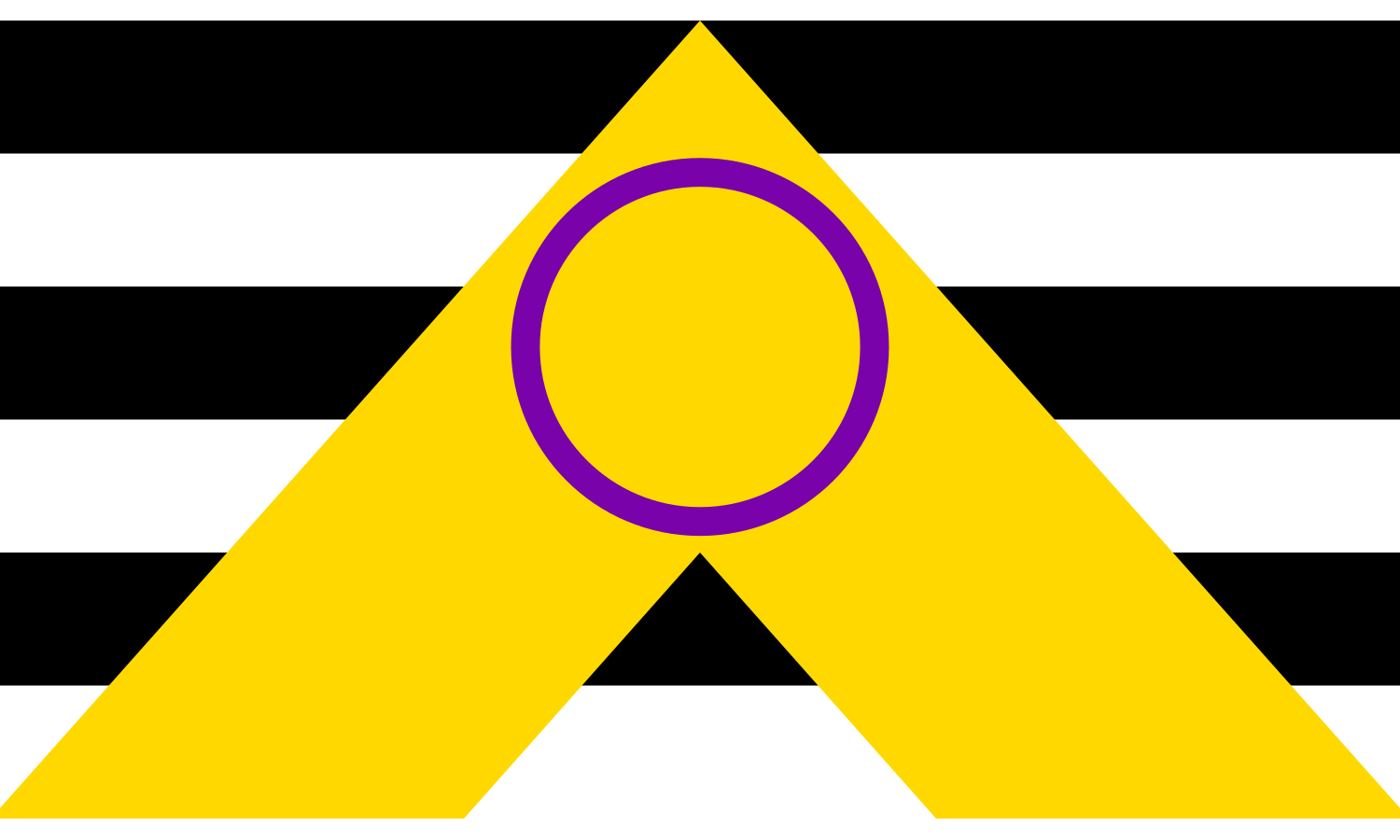
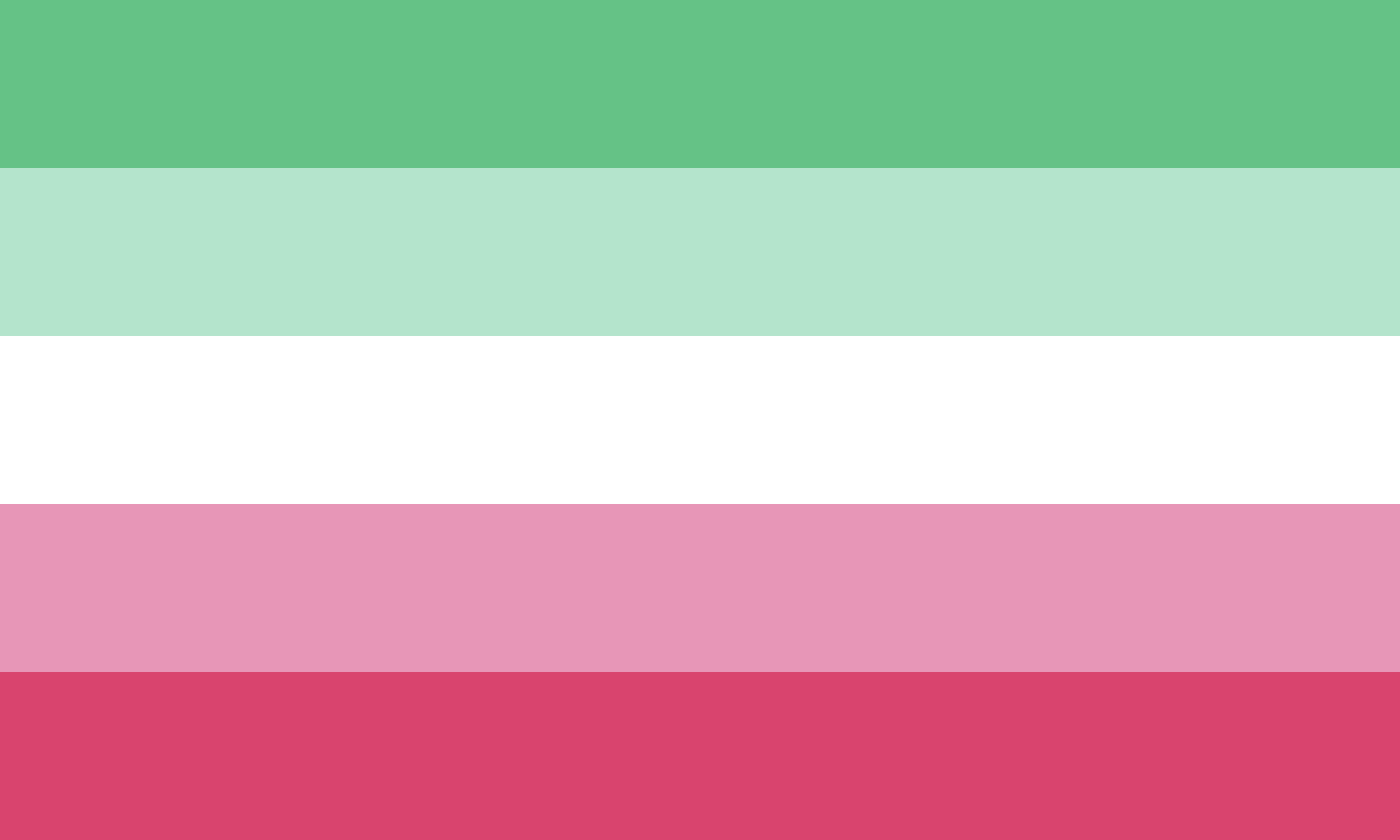
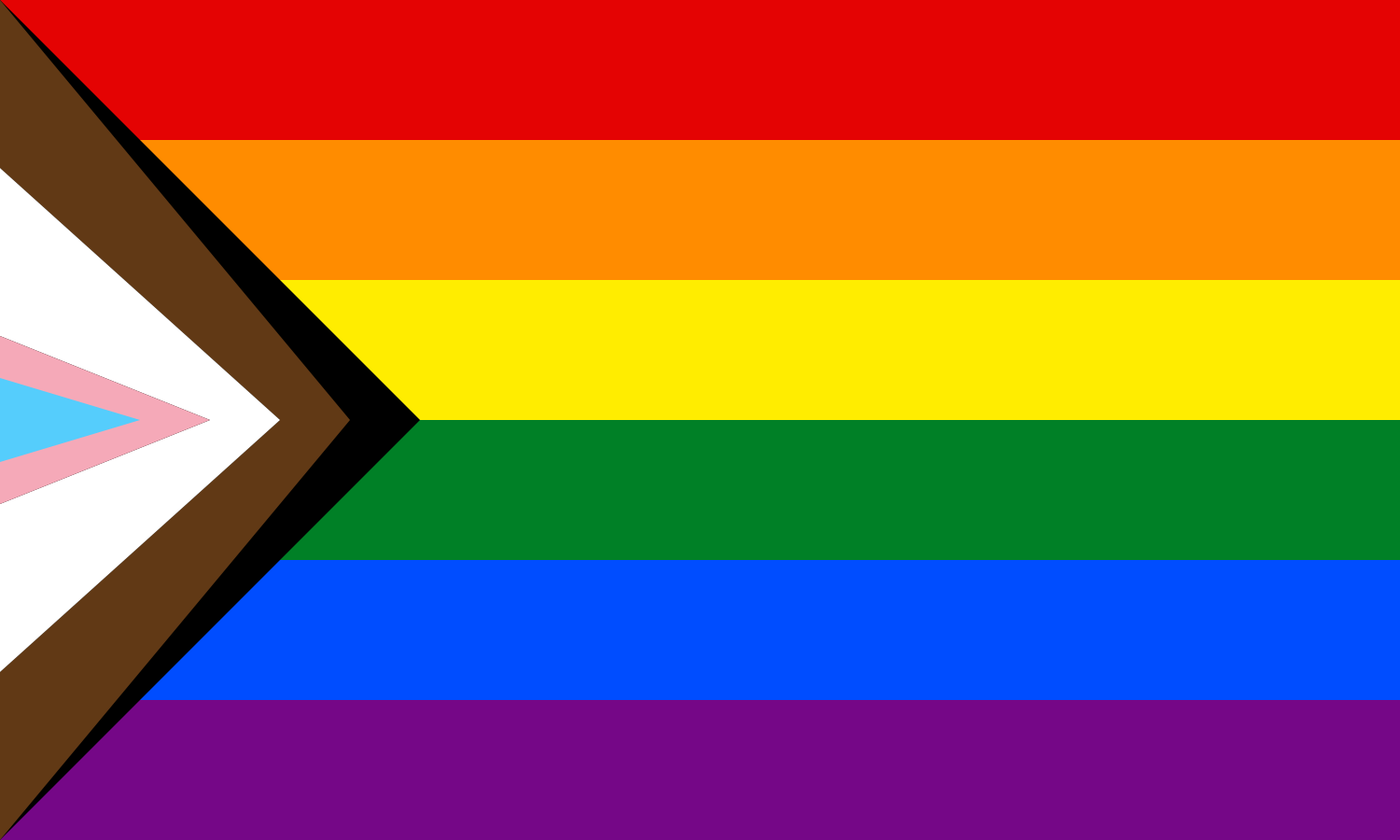
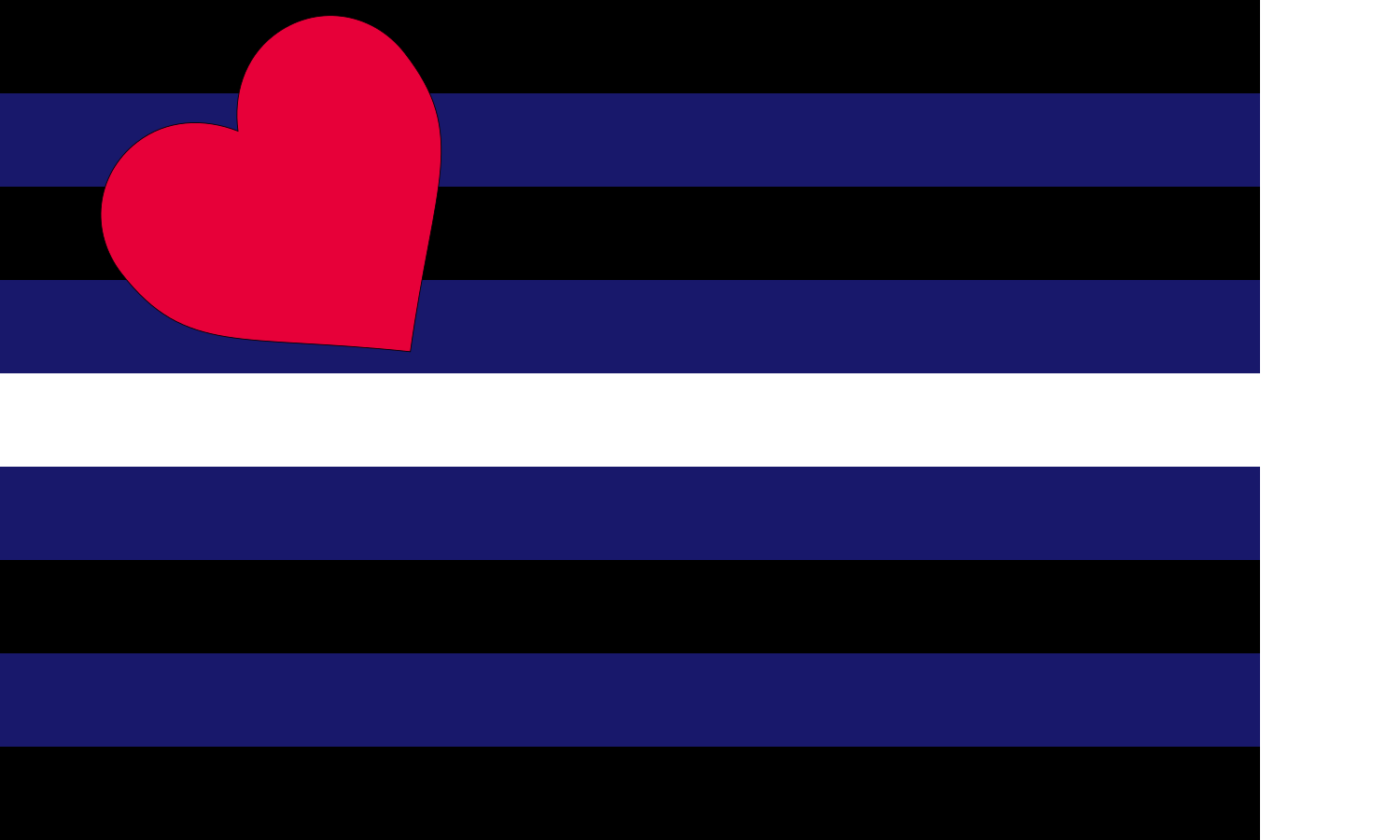
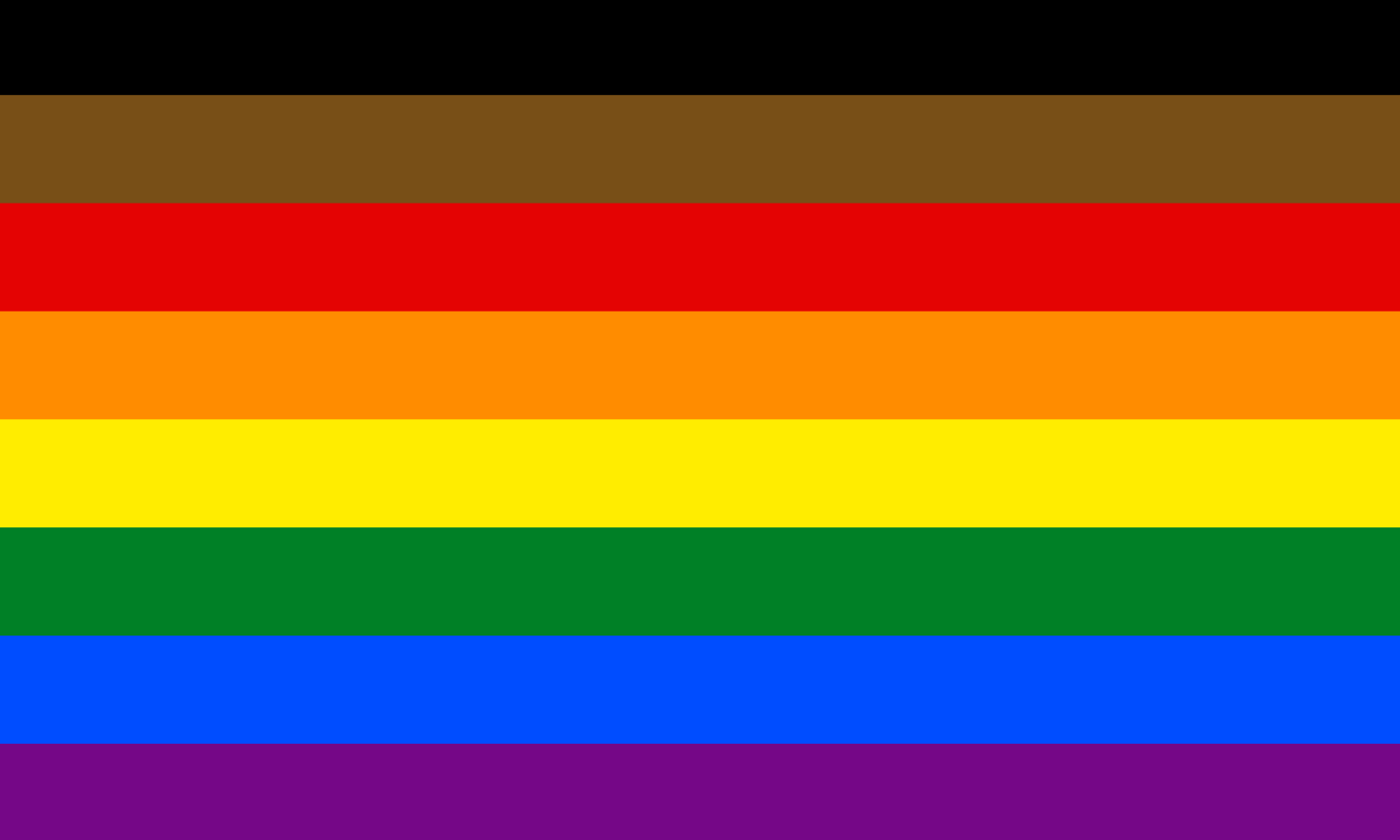
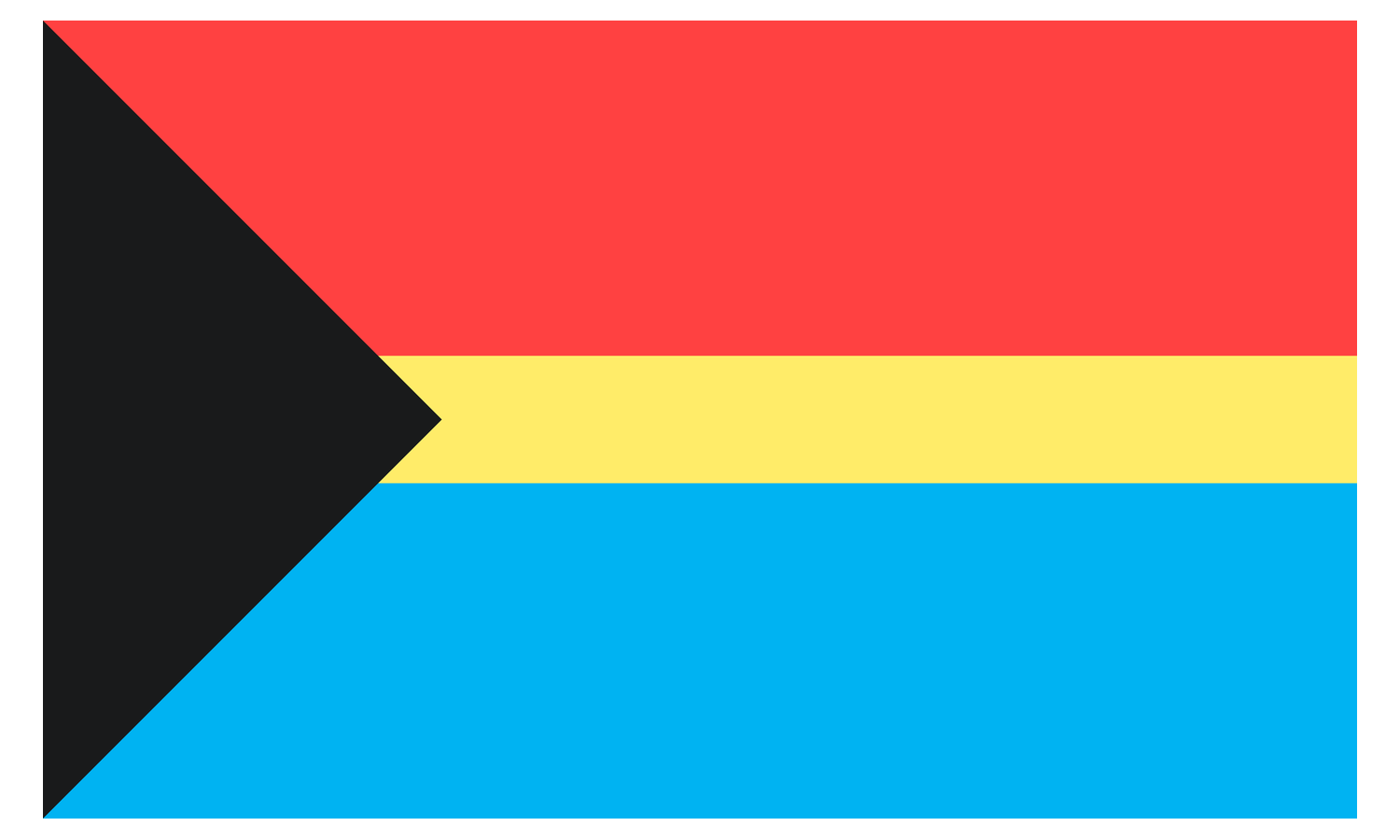
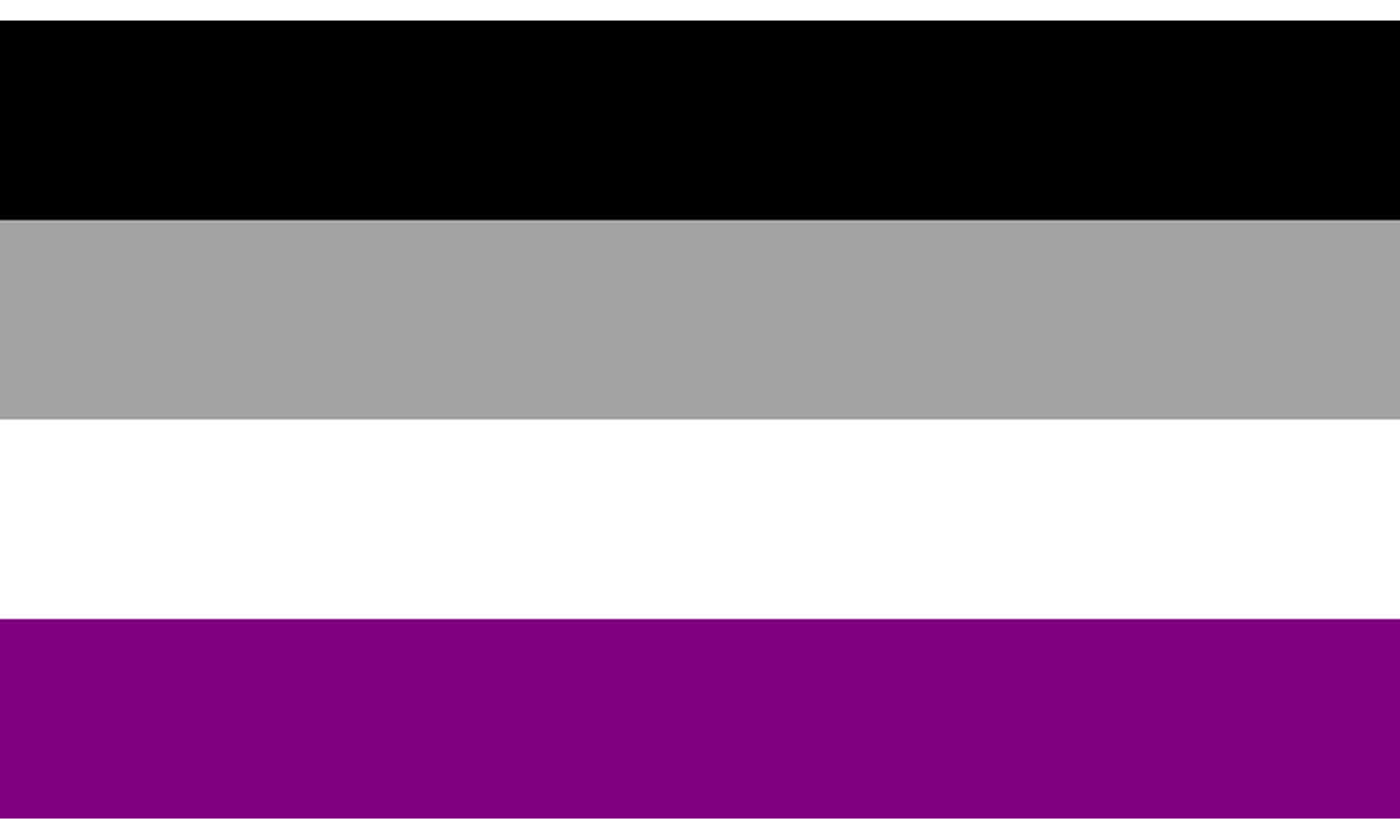
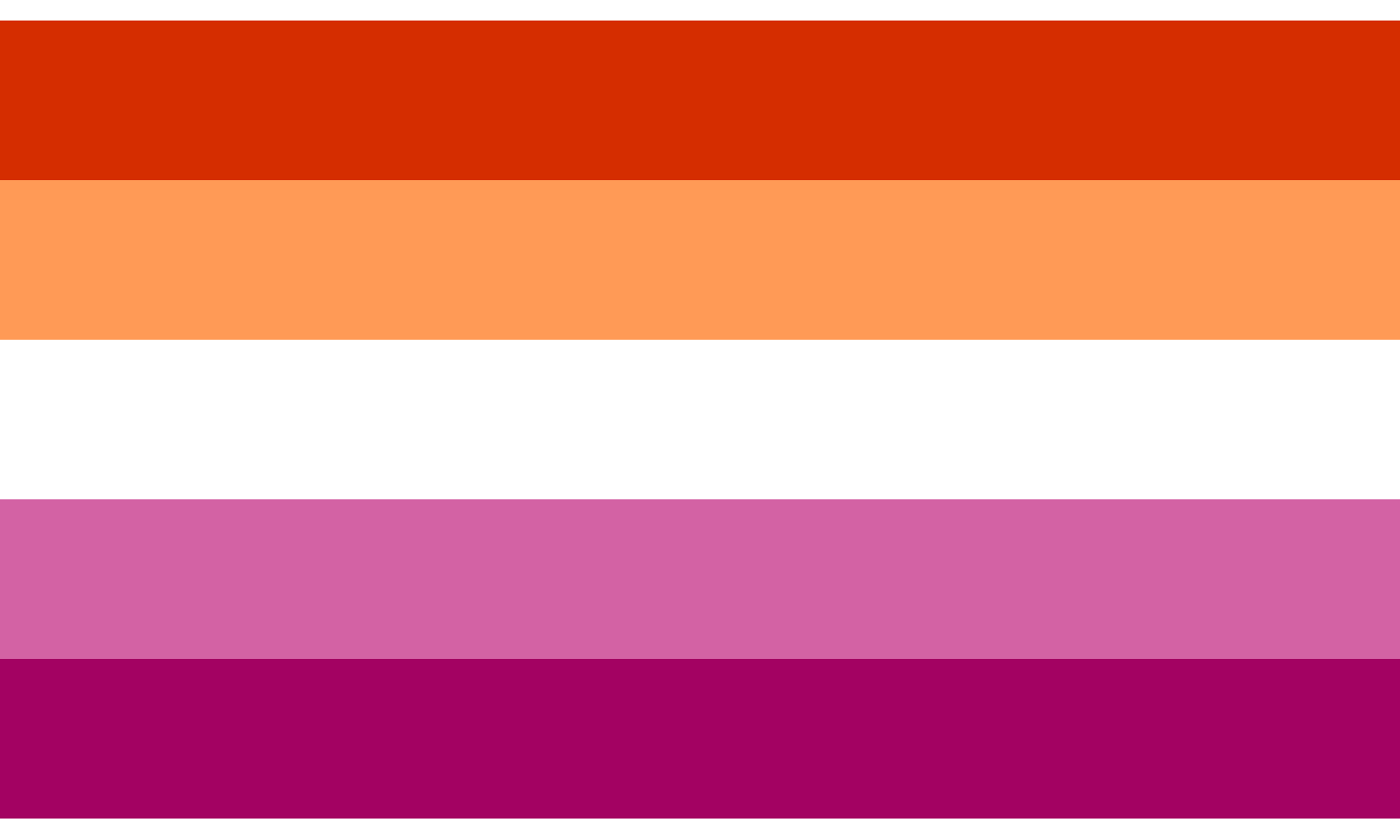
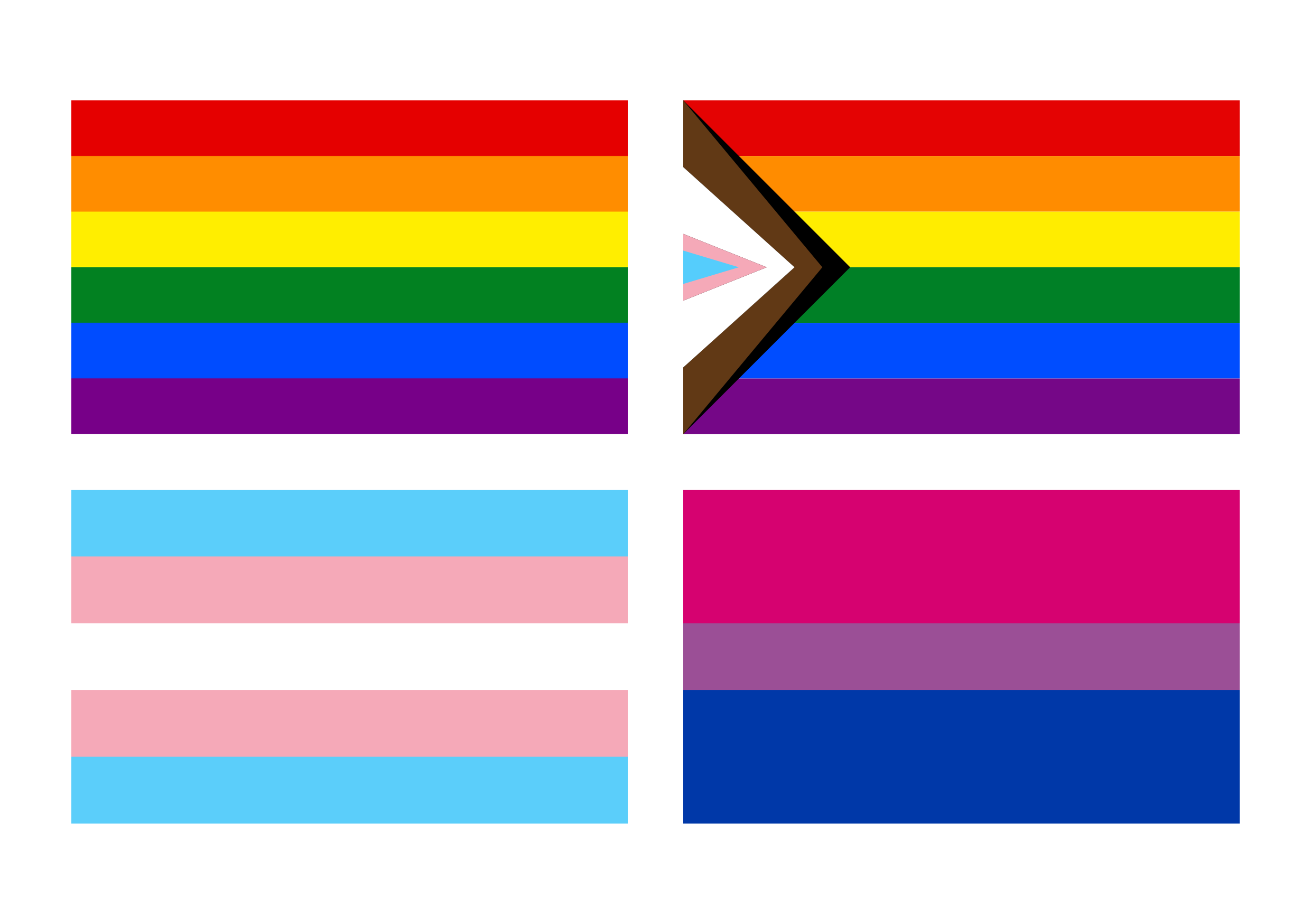
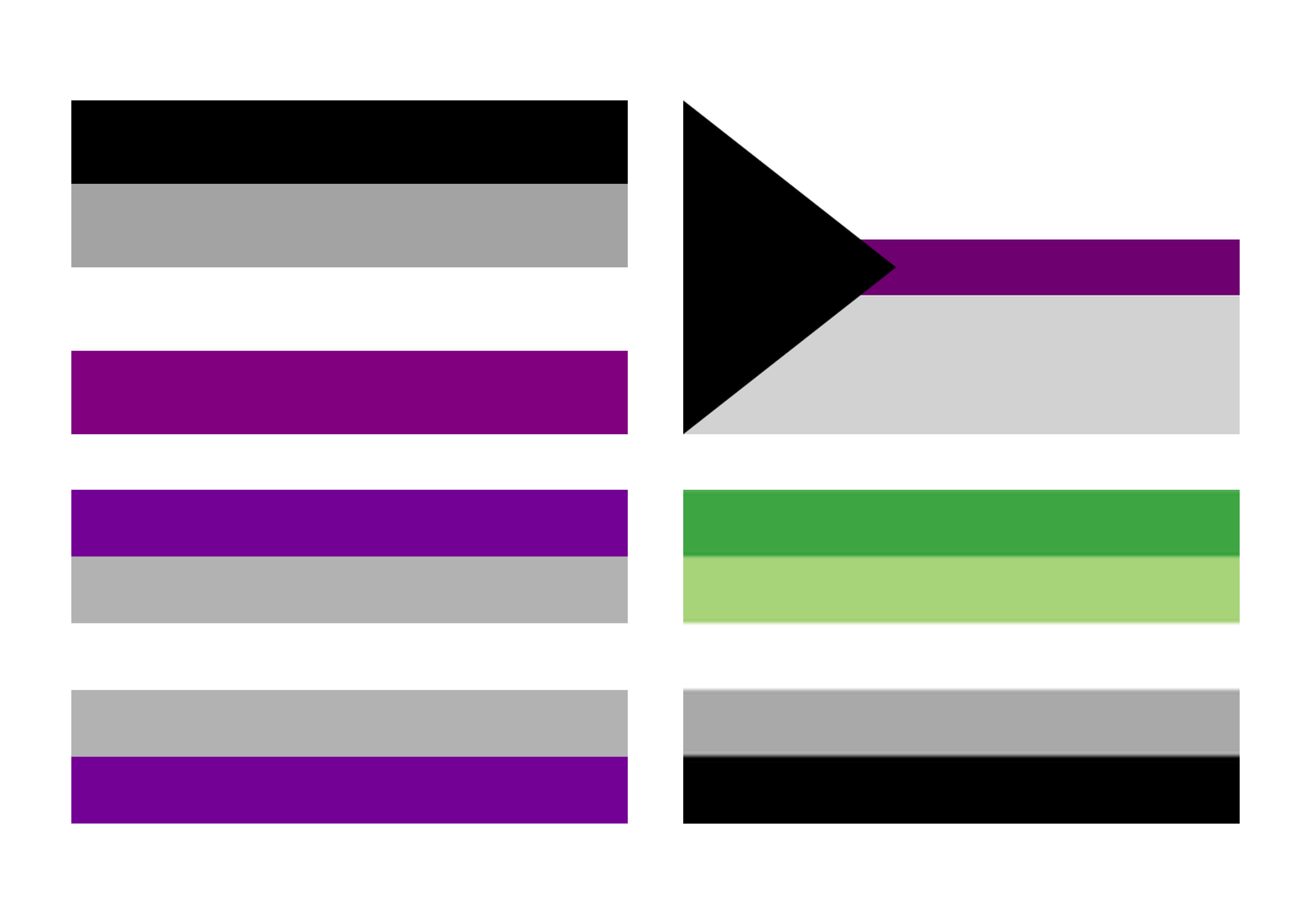
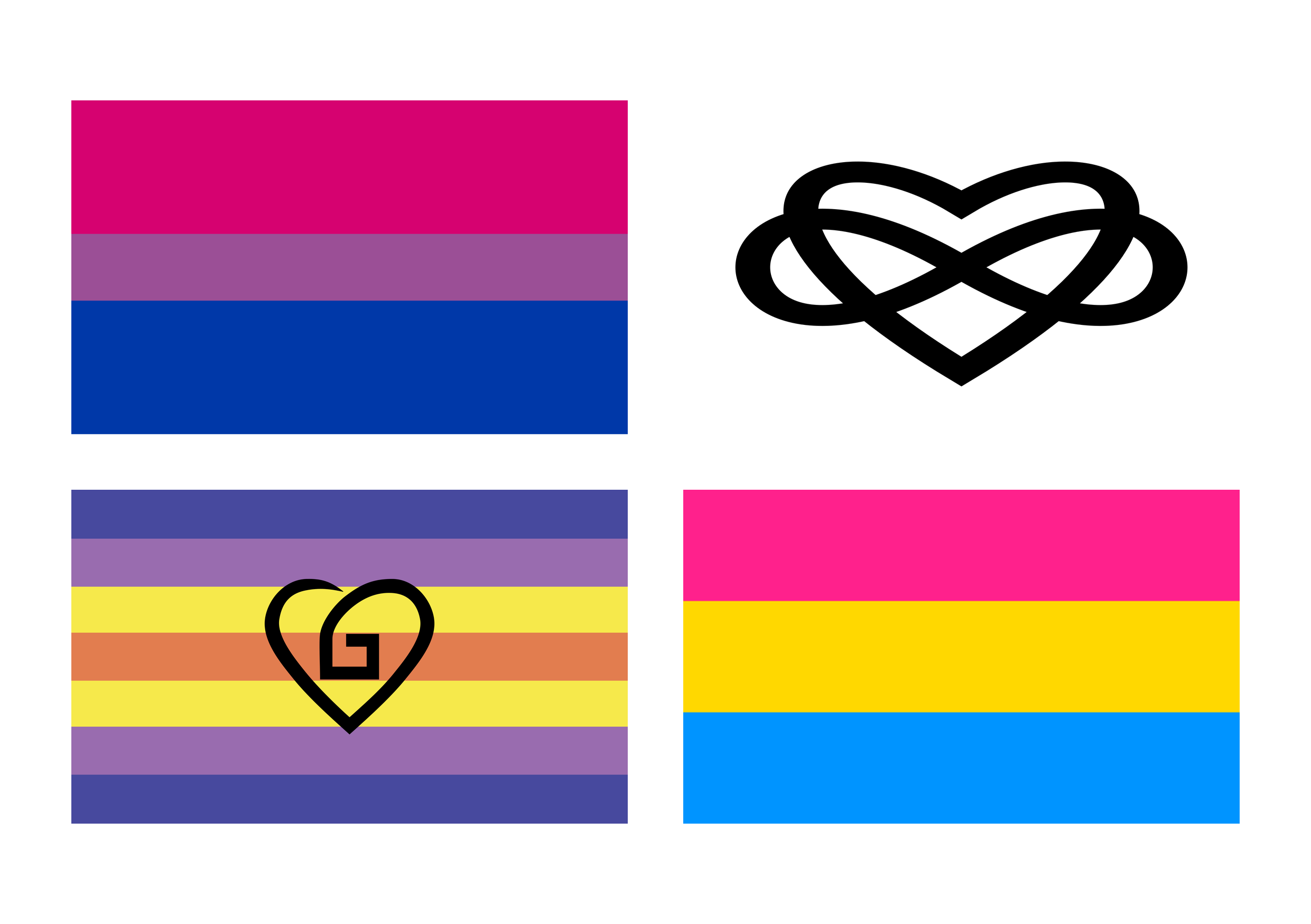
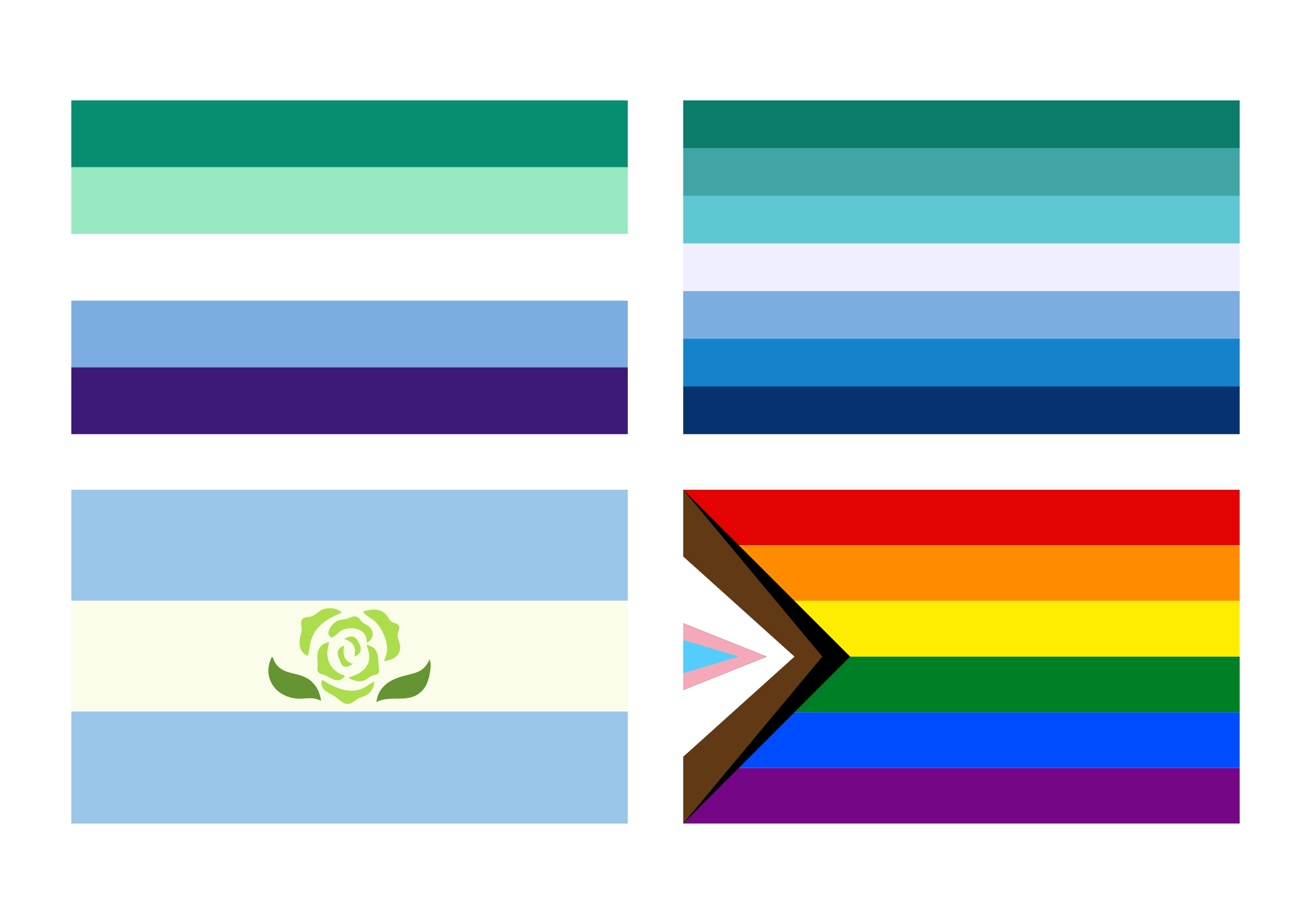
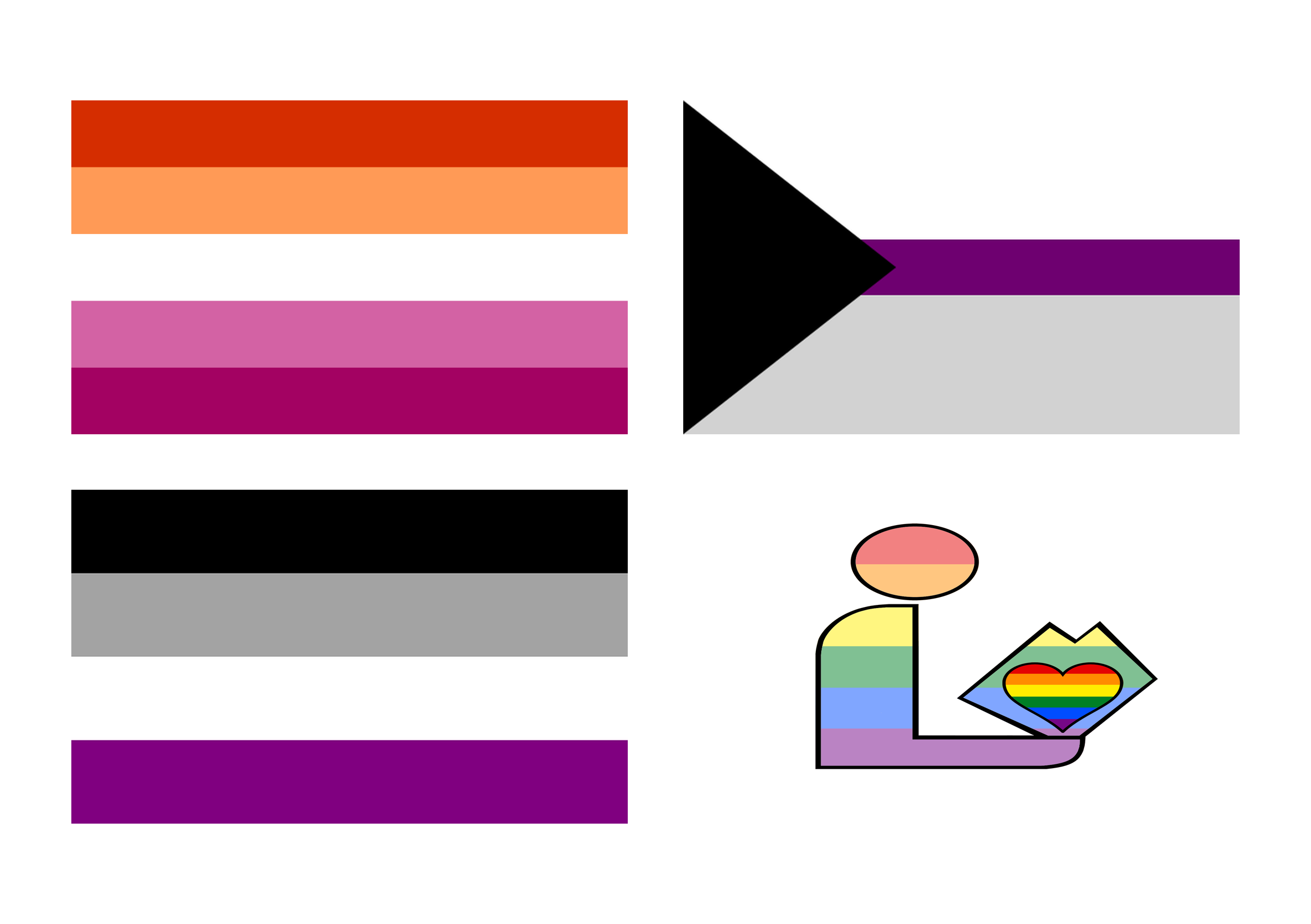
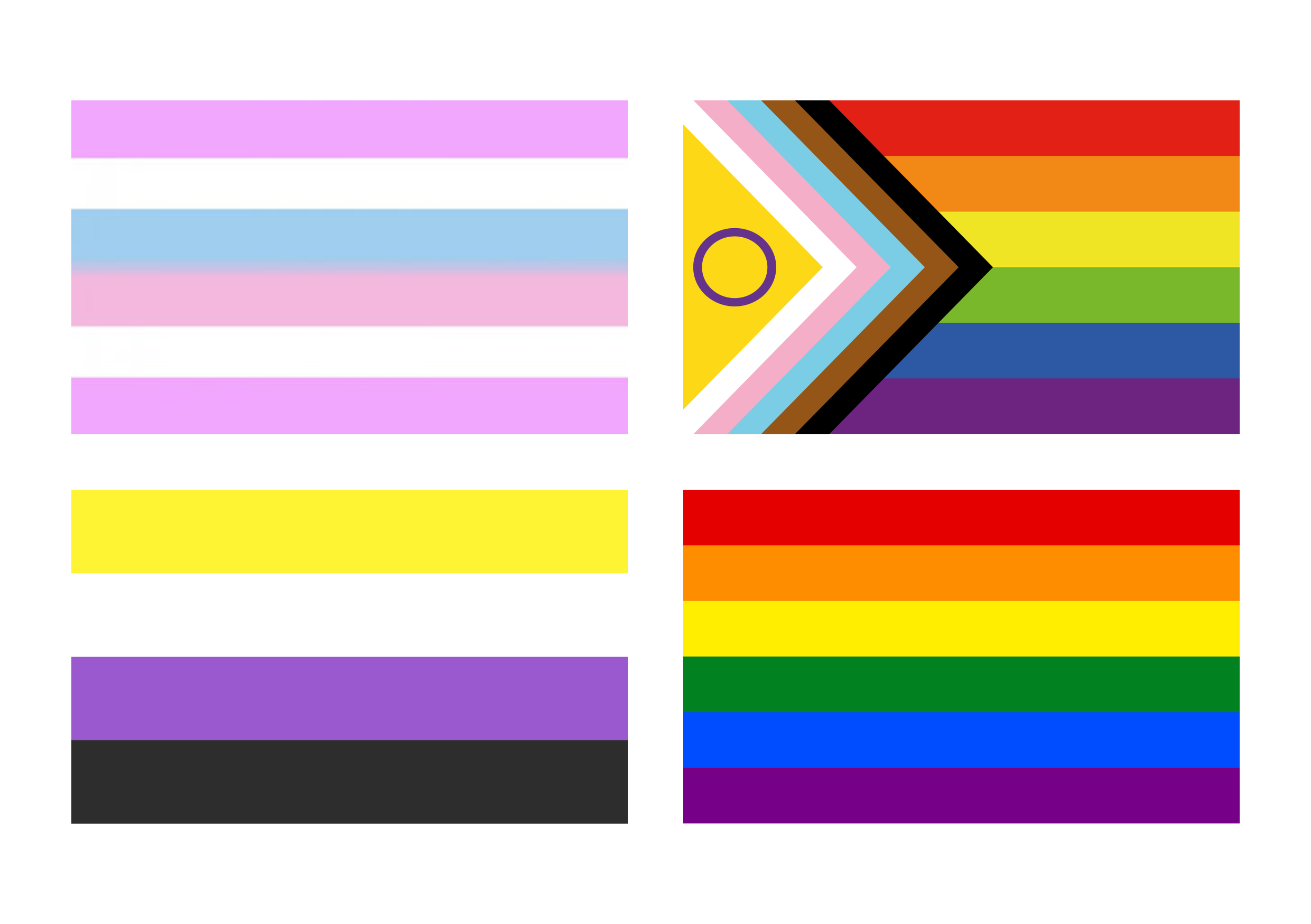
These colors represent important ideas connected to this flag and community.
History
The xenogender pride flag emerged from online LGBTQ+ communities in the 2010s as part of a broader expansion of gender identity language and representation beyond the gender binary. Xenogender describes gender identities that are not exclusively within the human gender binary, often employing metaphorical or non-human descriptors. The flag's seven horizontal stripes in blue, purple, and warm tones were designed by community members to visually represent the fluid, expansive, and non-traditional nature of xenogender identities. The colors lack a single standardized meaning, reflecting the diversity of xenogender experiences and the community-driven nature of contemporary pride flag design. The flag gained visibility through social media, Tumblr, and LGBTQ+ online forums, where it circulates among younger and digitally-connected queer communities exploring gender beyond conventional frameworks.