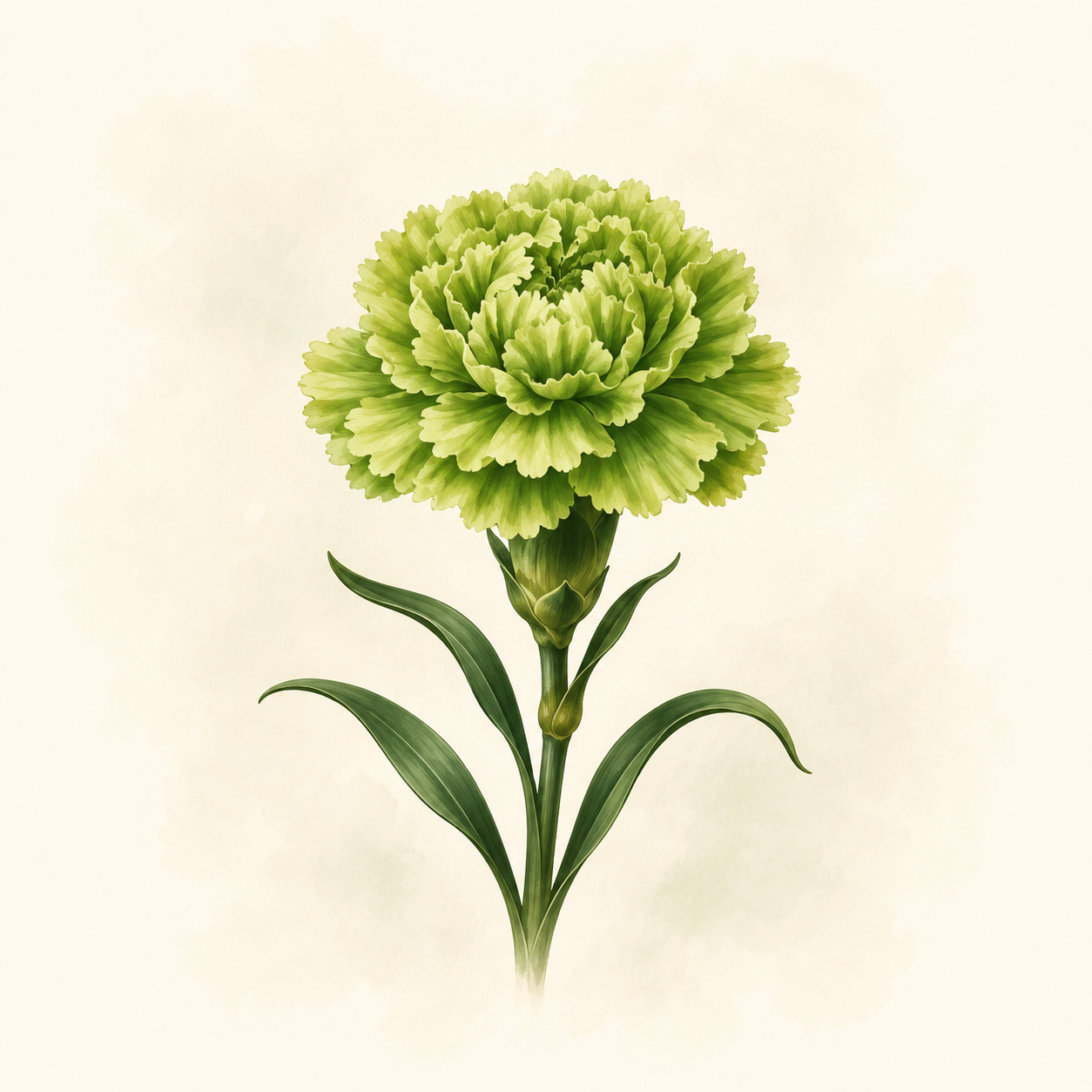
Green carnation
In 1890s London, Oscar Wilde's circle wore green carnations as a subtle sign of queer affiliation. It was one of the earliest modern examples of coded community signaling.
From secret handkerchiefs to 286 distinct flags — how the LGBTQ+ community learned to signal, then to celebrate, in color.
Before the flags
Before pride flags existed, queer people developed subtle codes to find one another in a world where visibility often meant danger.
In 1890s London, Oscar Wilde's circle wore green carnations as a subtle sign of queer affiliation. It was one of the earliest modern examples of coded community signaling.
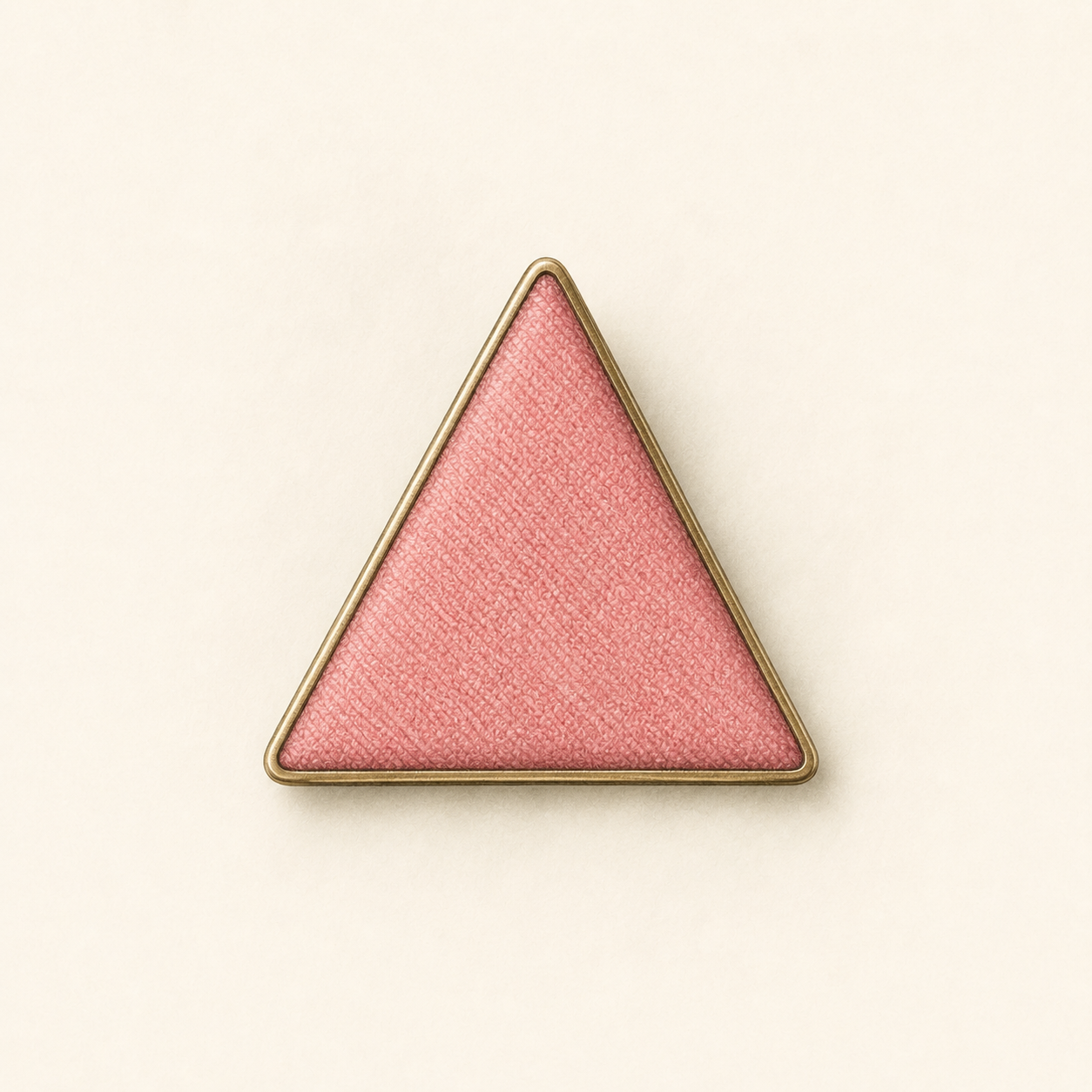
The Nazis forced gay prisoners to wear pink triangles in concentration camps. Decades later, activists reclaimed it through ACT UP and the rallying cry 'Silence = Death.'
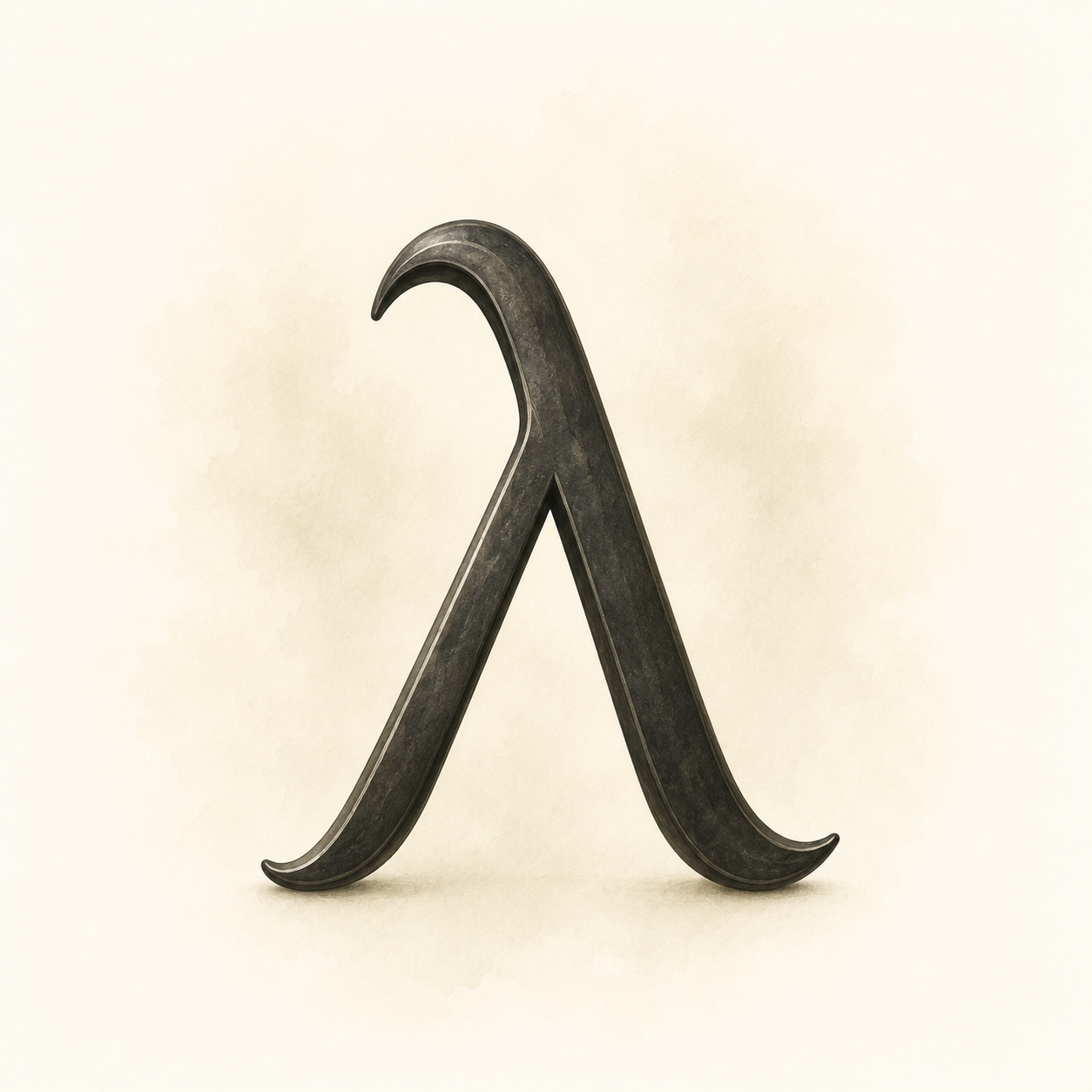
The Gay Activists Alliance adopted the lambda in 1970. It was chosen for its association with energy, movement, and social change.
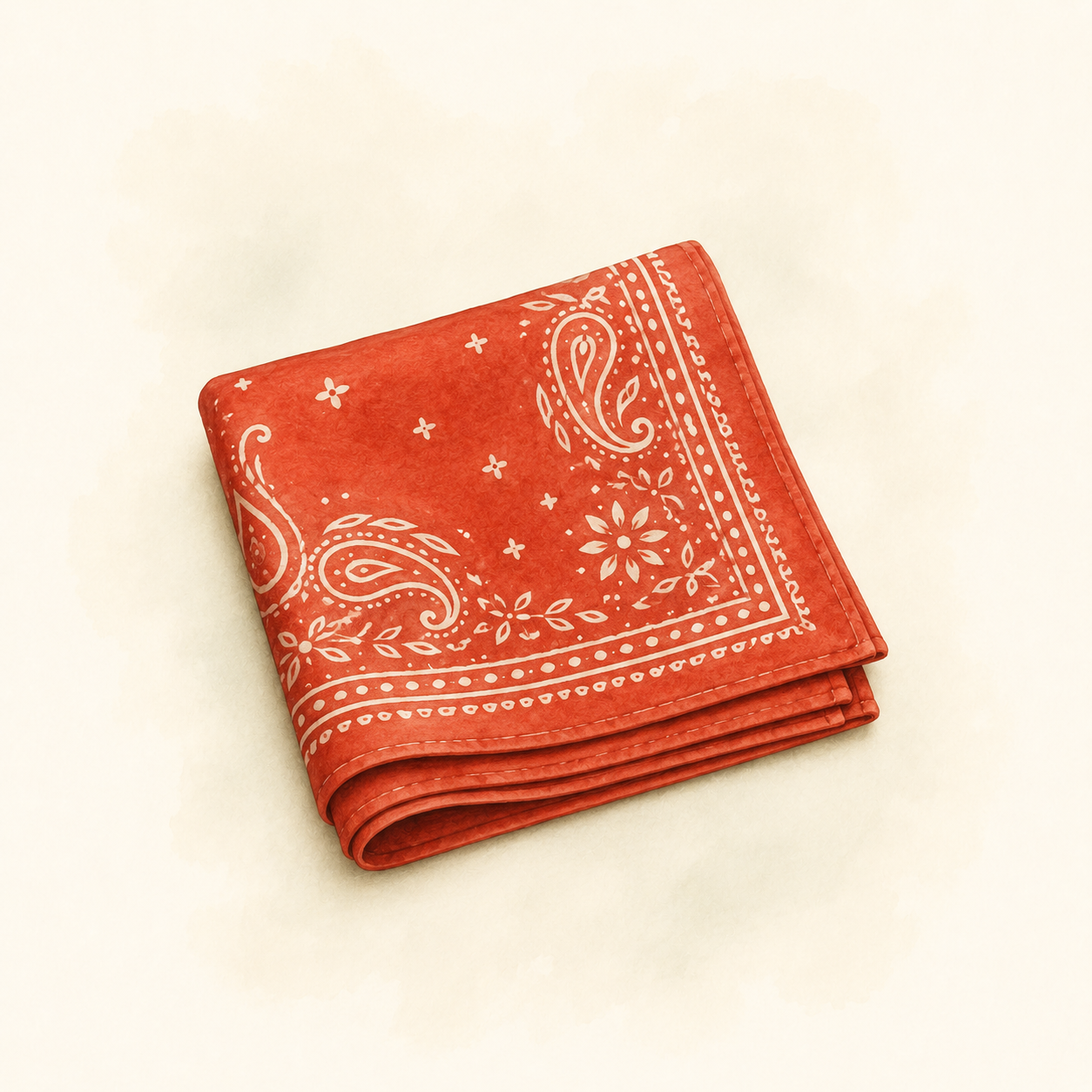
In 1970s San Francisco, colored handkerchiefs in specific pockets communicated identity and preference. It enabled nuanced communication in a hostile world without speaking aloud.
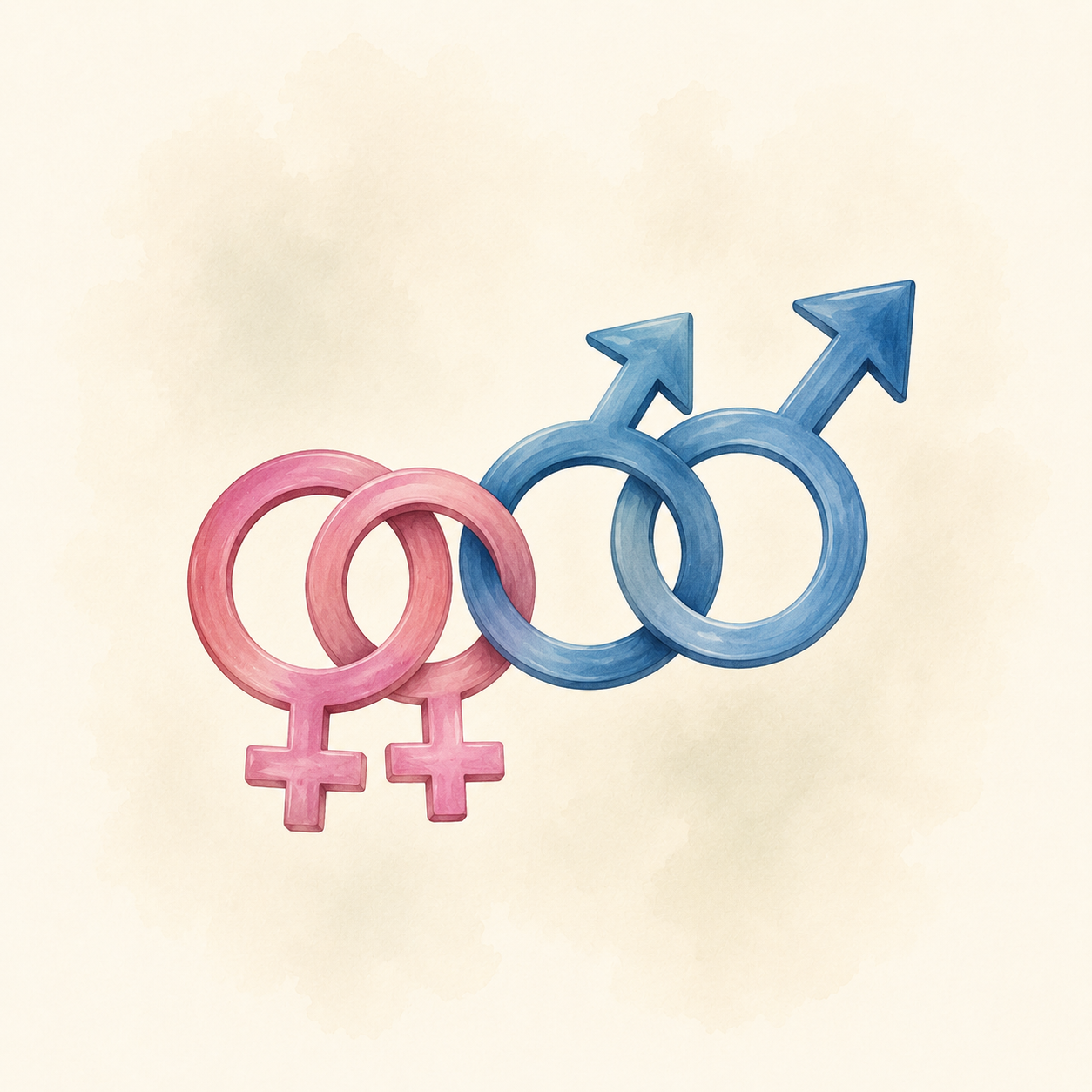
Interlocking gender symbols became visible in the 1970s as quick visual shorthand for identity and attraction. They helped make queer visibility legible in print and protest.
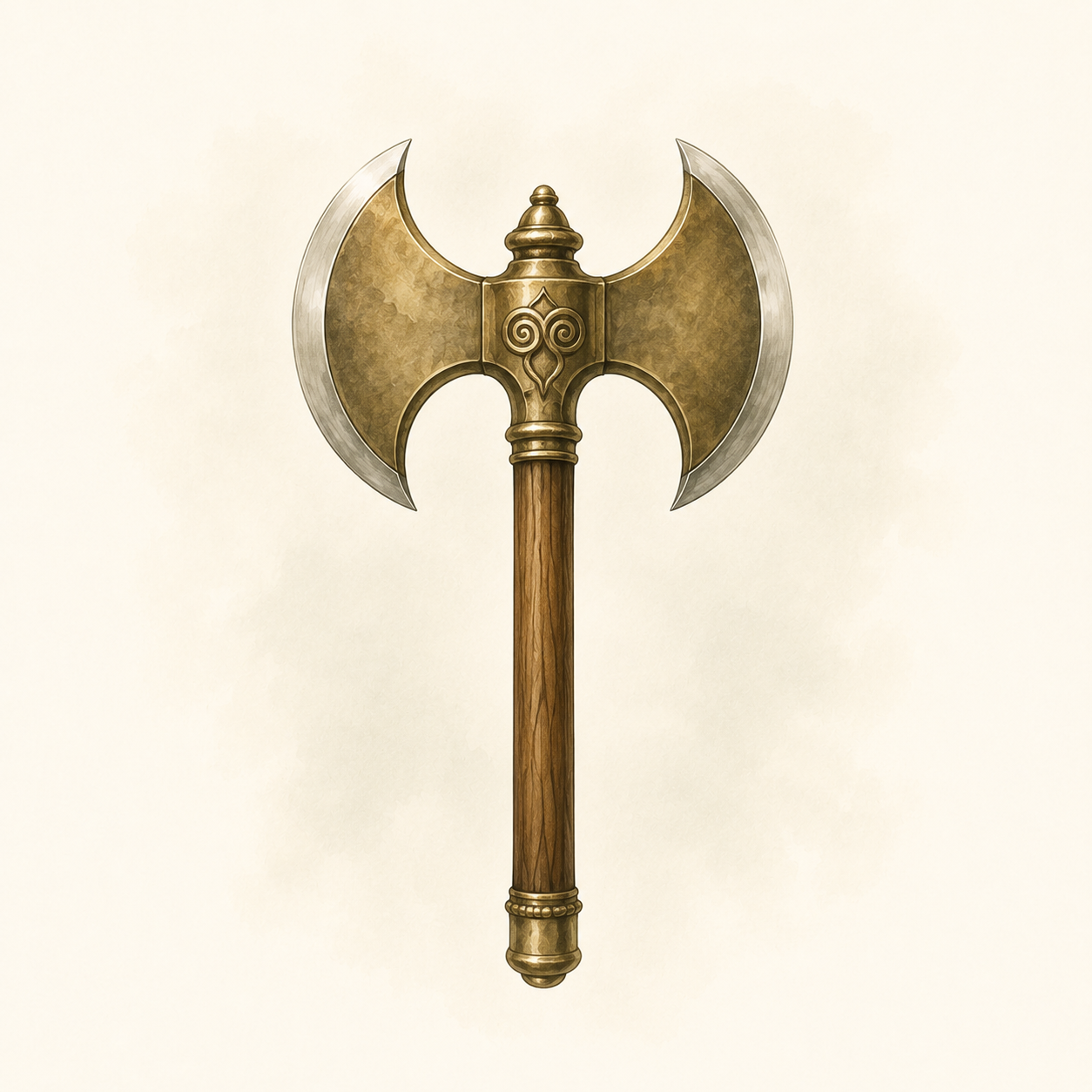
The labrys, an ancient Minoan symbol, was adopted by lesbian-feminist movements in the 1970s. It represented strength, autonomy, and historical continuity.
The first flag - 1978
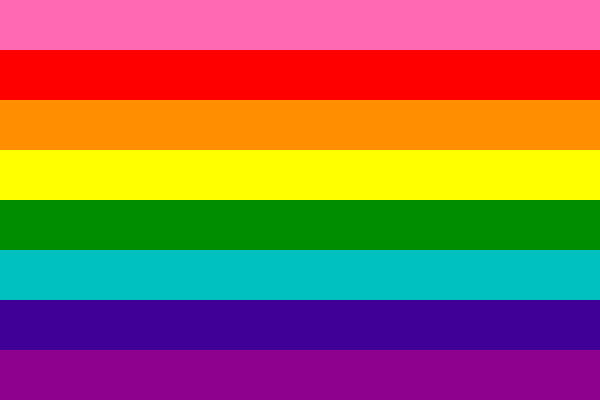
In 1978, artist and activist Gilbert Baker was asked by Harvey Milk to create a symbol of queer hope that was not inherited from oppression. Baker and volunteers hand-dyed and stitched the first flags in San Francisco.
The original design had eight stripes, each with a meaning: sexuality, life, healing, sunlight, nature, magic, harmony, and spirit. It was both practical and poetic: a community banner and a color language.
After Milk's assassination and rapid adoption of the design, production constraints led to simplification, eventually yielding the six-stripe version that became globally recognized.
"Flags say something. You put a rainbow flag on your windshield and you're saying something." - Gilbert Baker
Key flags through the decades
1978
Gilbert Baker's six-stripe version becomes the universal LGBTQ symbol. Donated to the public domain — free for anyone, forever.
1989
Tony DeBlase designs the leather community flag at the Mr. Leather Contest in Chicago. Intentionally left open to personal interpretation.
1995
Jim Evans designs the original polyamory flag with a pi symbol representing infinite love. A new era of identity-specific flags begins.
1998
Michael Page creates the bisexual flag to address bi invisibility. Unveiled December 5, 1998.
1999
Monica Helms designs the trans flag. Its palindrome design means it is always correct, whichever way it flies.
2010
A wave of new flags emerges from online communities. AVEN adopts the asexual flag. The pansexual flag appears organically on Tumblr.
2013
Morgan Carpenter creates the yellow and purple flag, deliberately avoiding the gendered associations of pink and blue.
2014
Kye Rowan creates the nonbinary flag. Dozens of gender identity flags follow in the years ahead.
2017-18
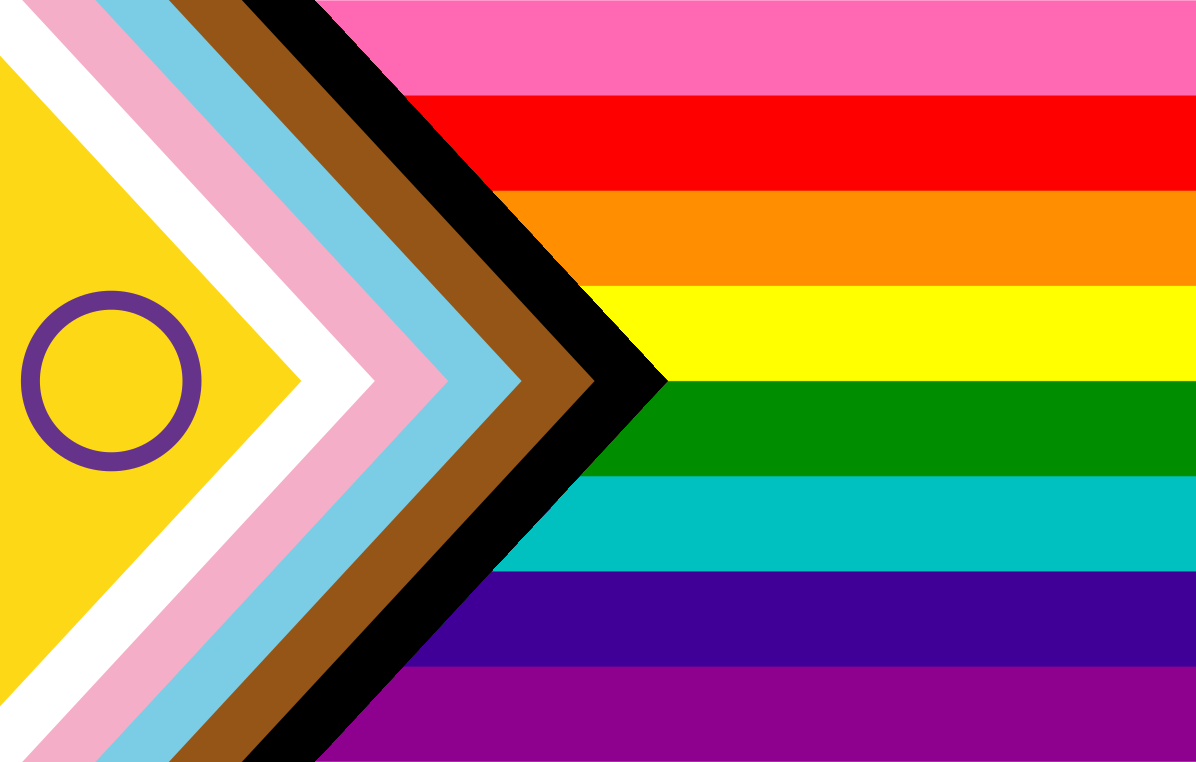
Philadelphia adds black and brown stripes. Daniel Quasar creates the Progress Pride Flag with a chevron incorporating trans colors.
2021
Valentino Vecchietti adds the intersex circle. Today it is one of the most widely flown versions worldwide.
Now
New flags continue to emerge as communities find their voices. Every flag is a statement: we are here, we have always been here, and we deserve to be seen.
Browse by color, identity, decade, or just wander. Every flag has a story.