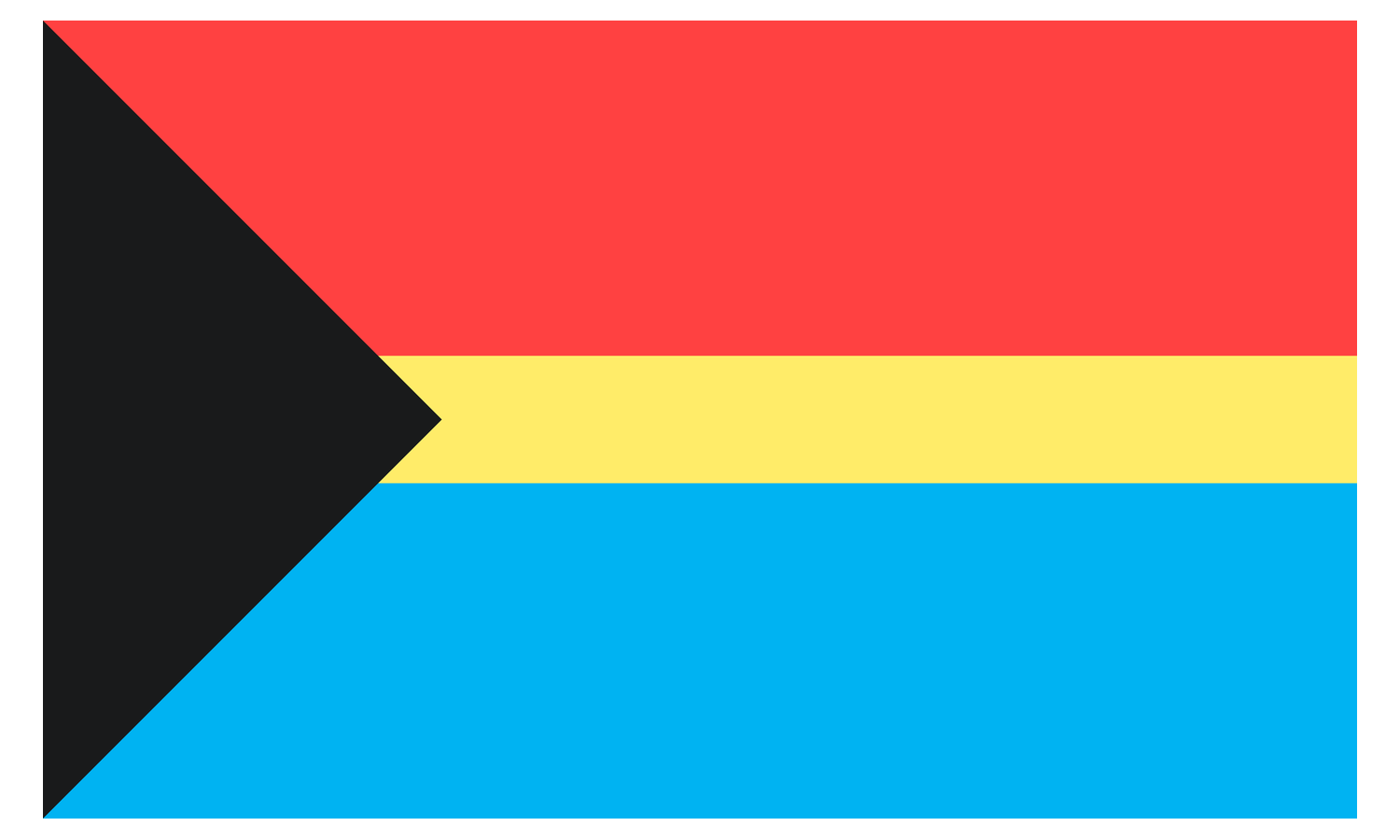
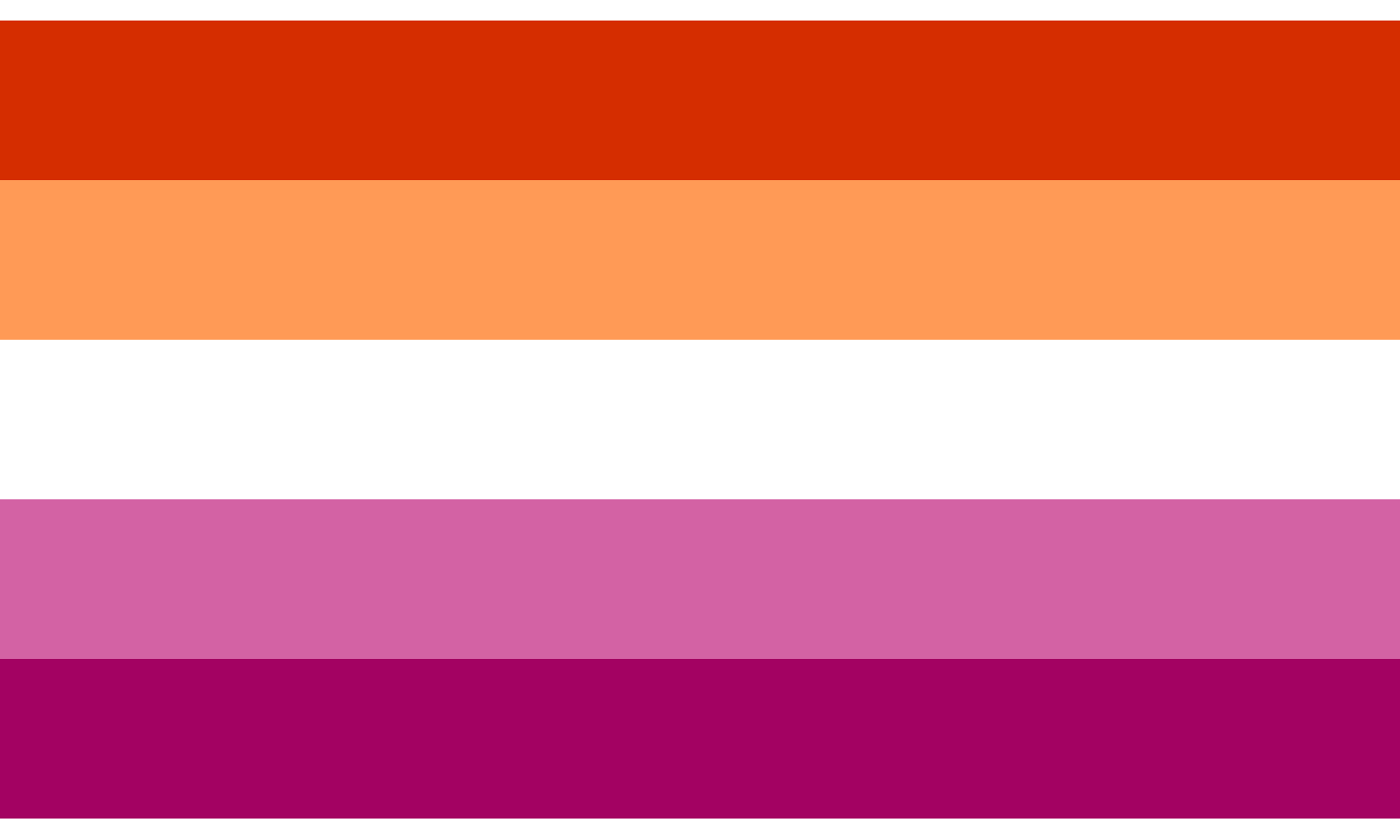
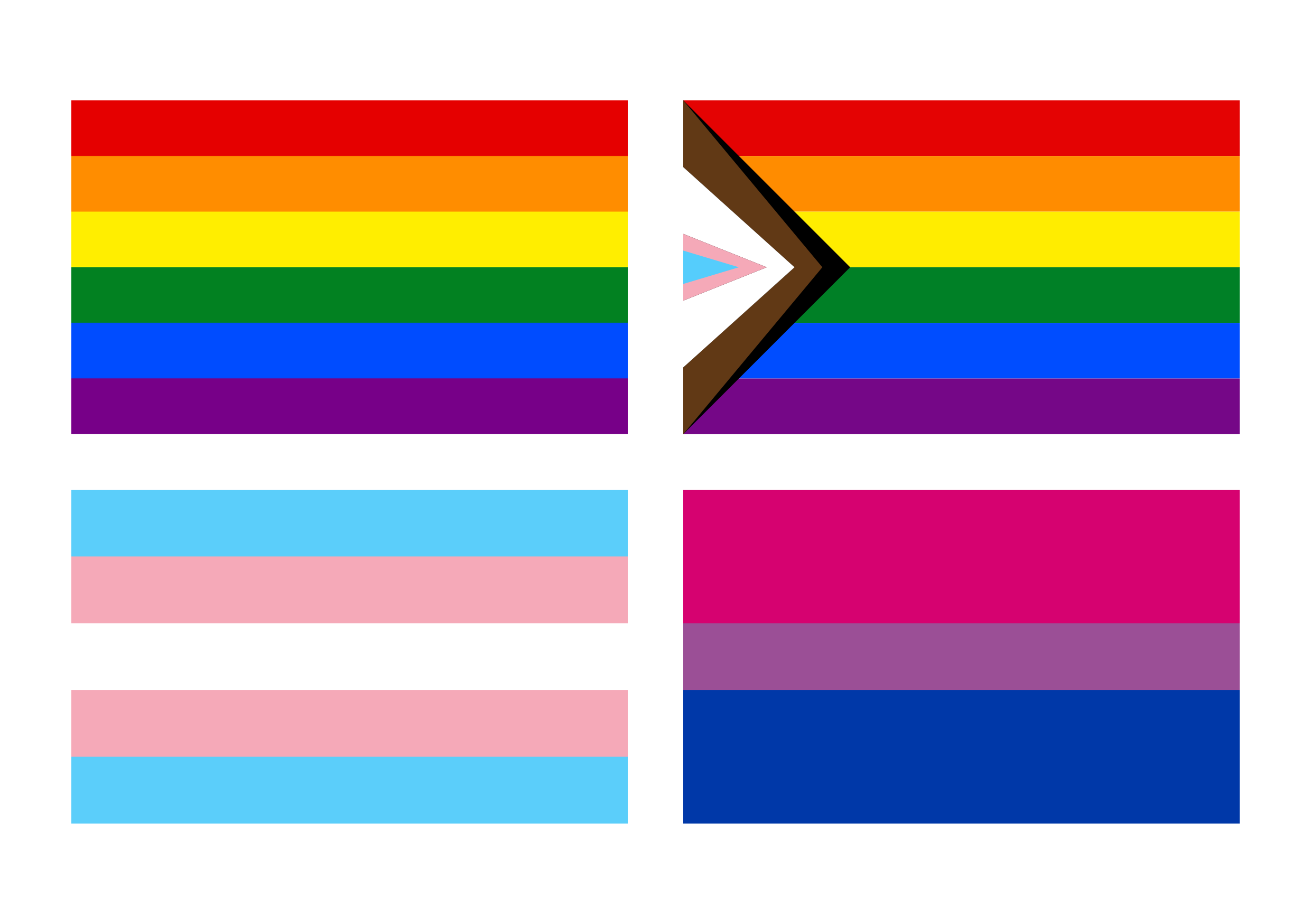
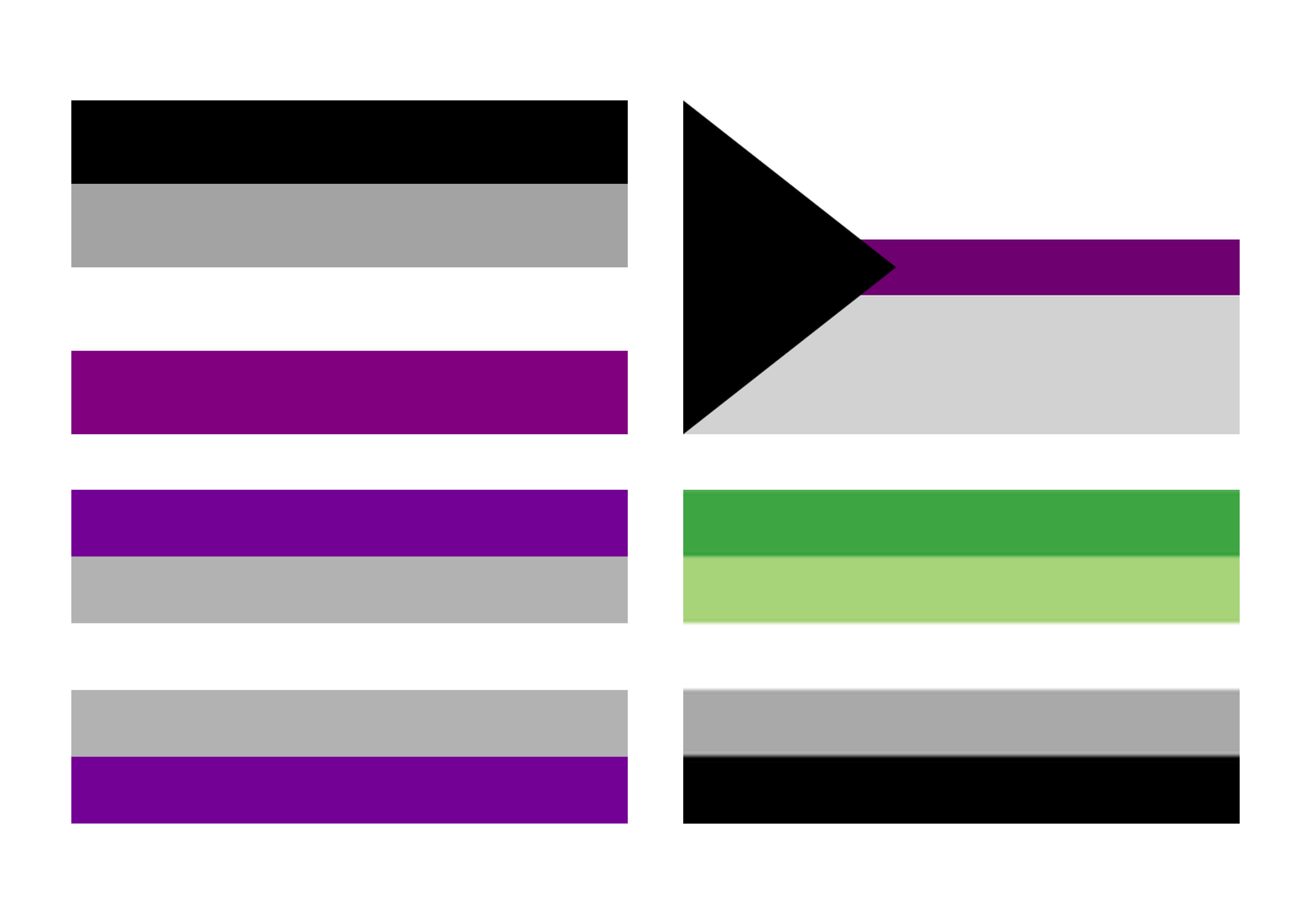
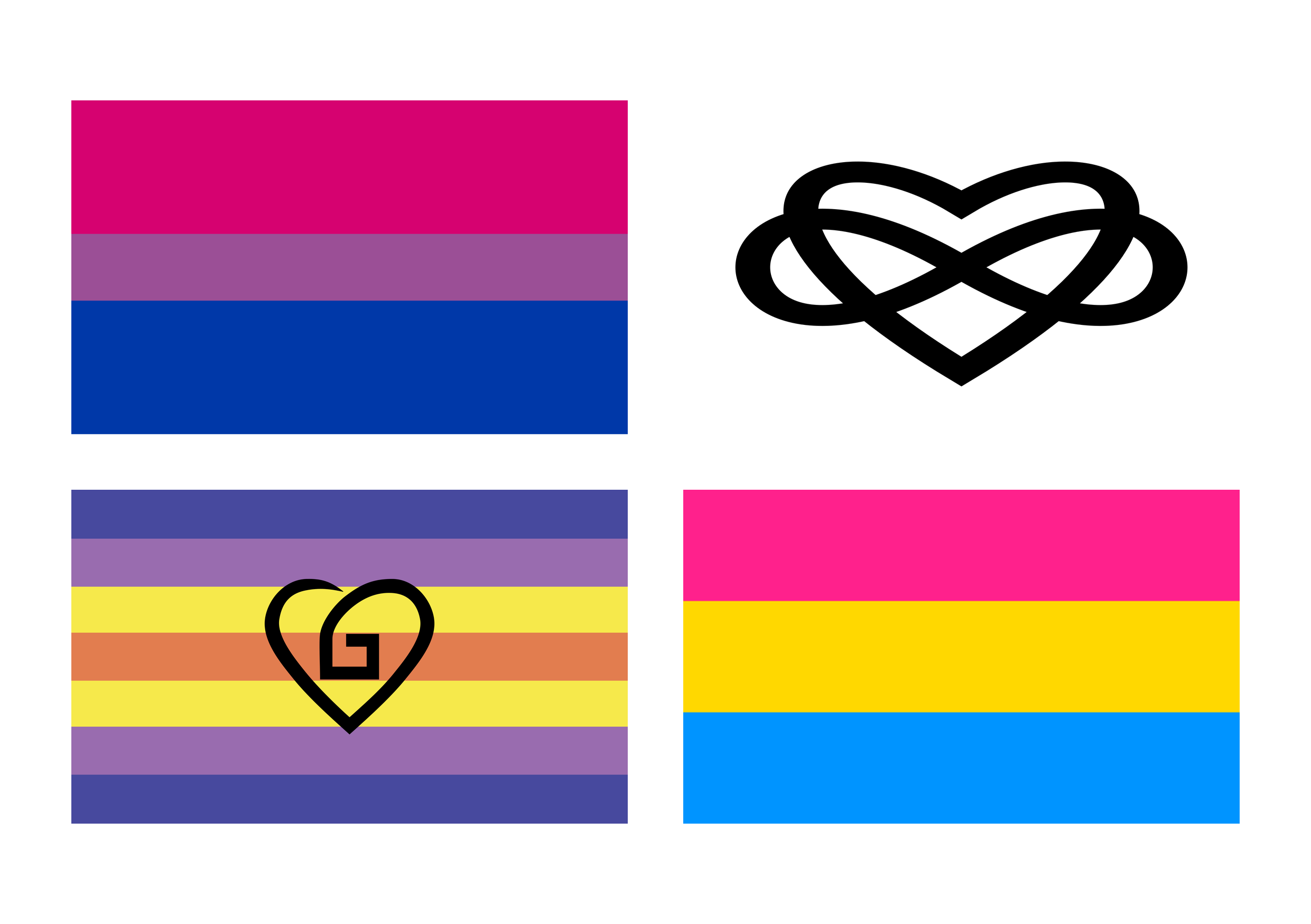
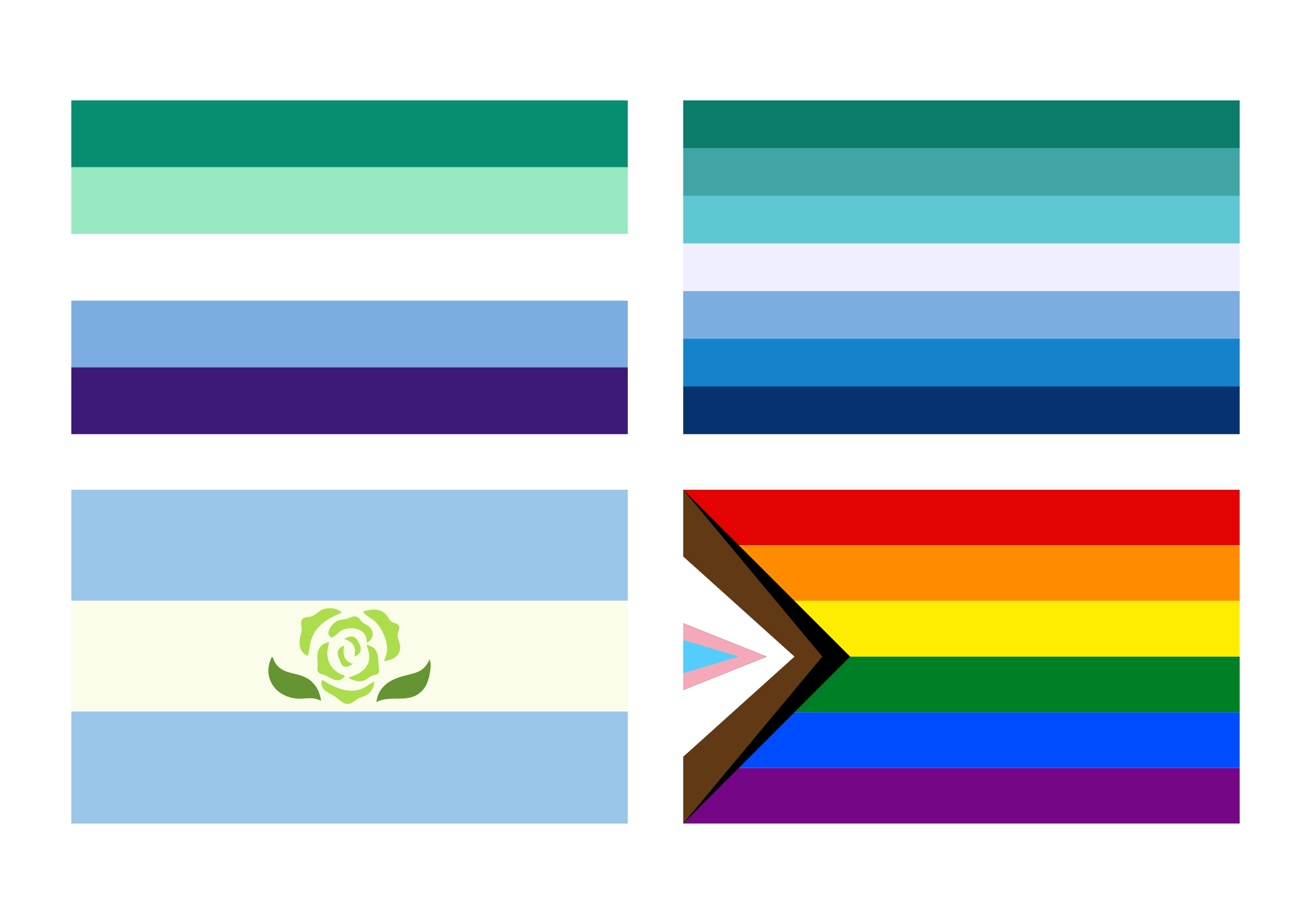
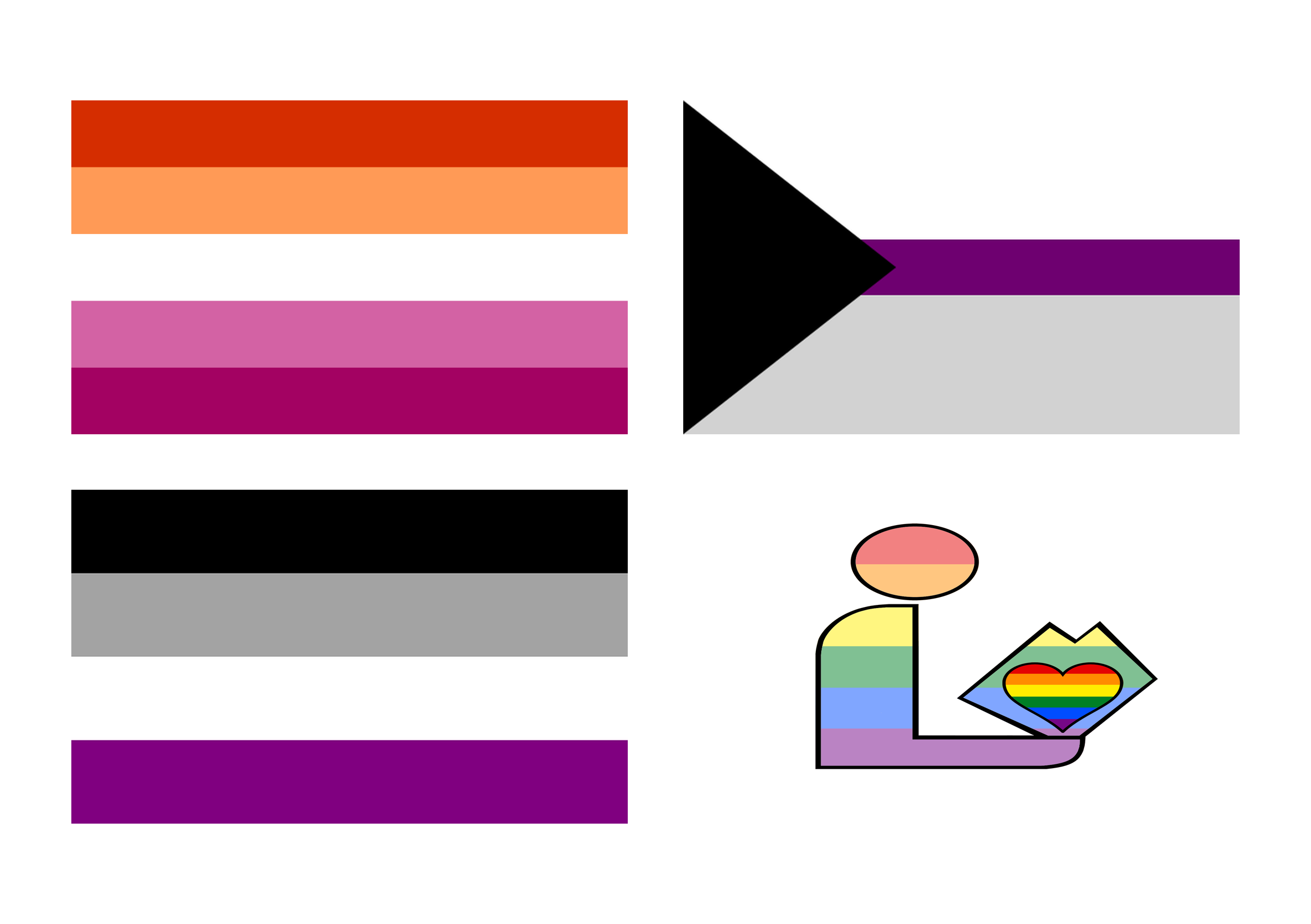
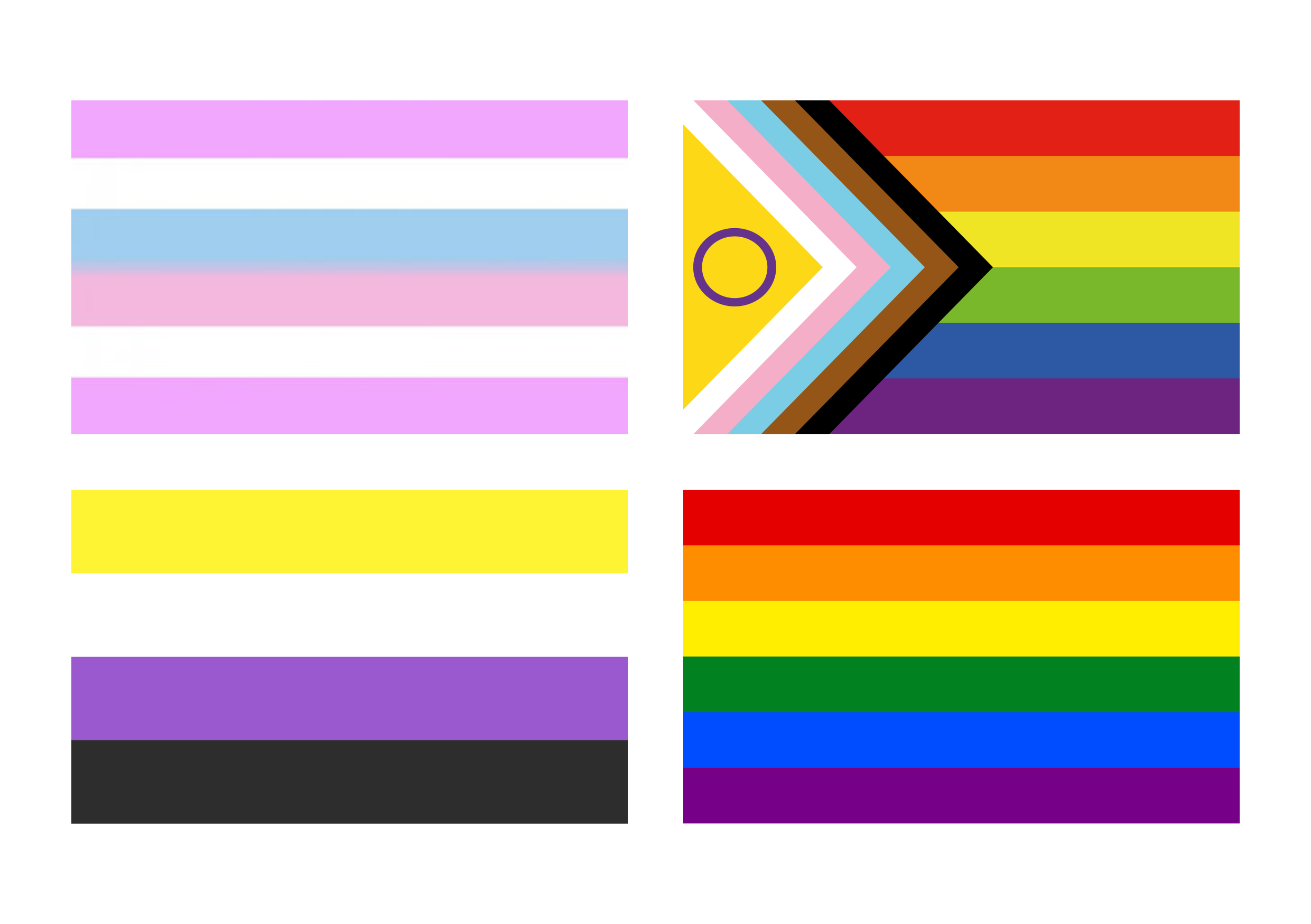
These colors represent important ideas connected to this flag and community.
History
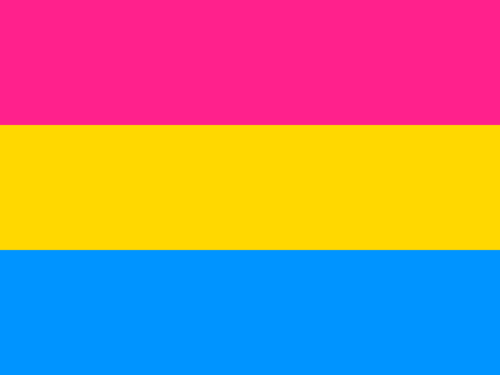
The pansexuality flag emerged around 2010 within online LGBTQ+ communities as a visual symbol for pansexual identity. The flag features three equal horizontal stripes in pink, yellow, and cyan. The pink stripe represents attraction to women, the yellow stripe represents attraction to non-binary individuals, and the cyan stripe represents attraction to men. This color symbolism reflects the pansexual experience of attraction across the gender spectrum without limitation. The flag gained visibility through internet communities and social media platforms, becoming widely adopted by pansexual individuals and supporters seeking representation. Today, it is recognized as one of the standard pride flags within mainstream LGBTQ+ discourse and is frequently displayed at pride events worldwide.