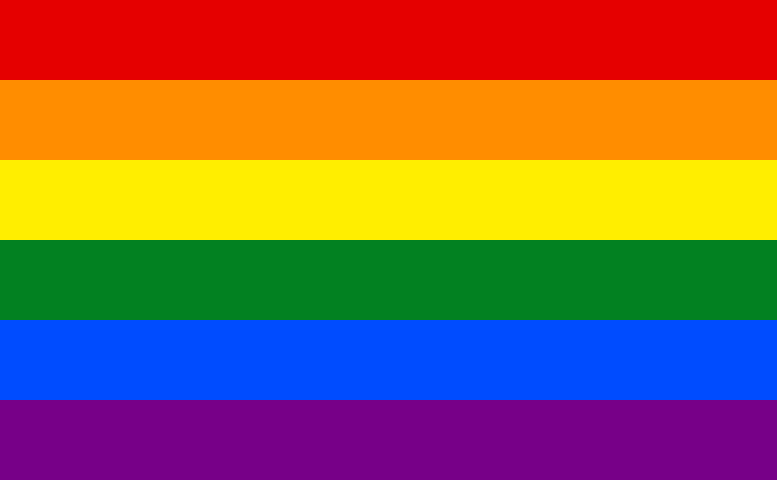
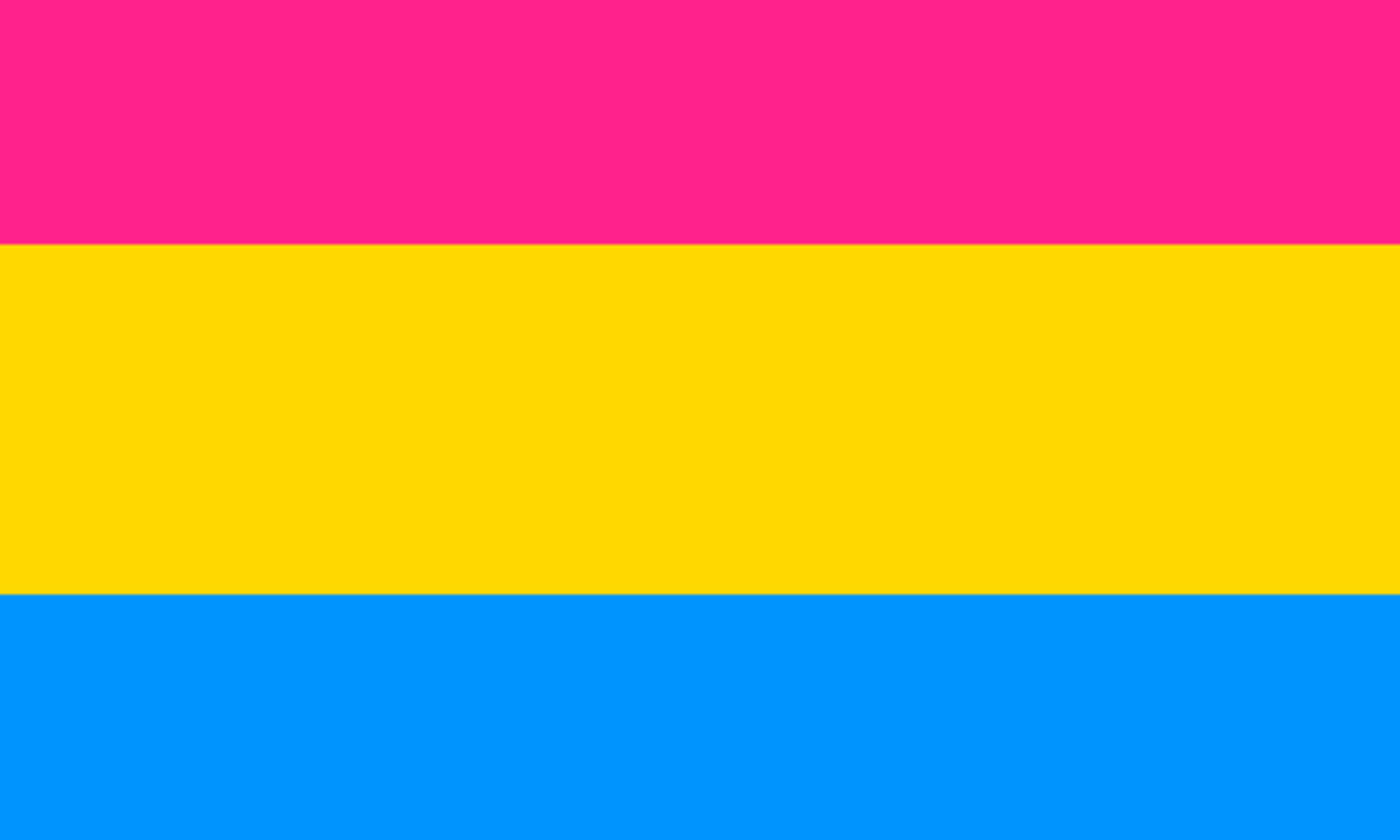
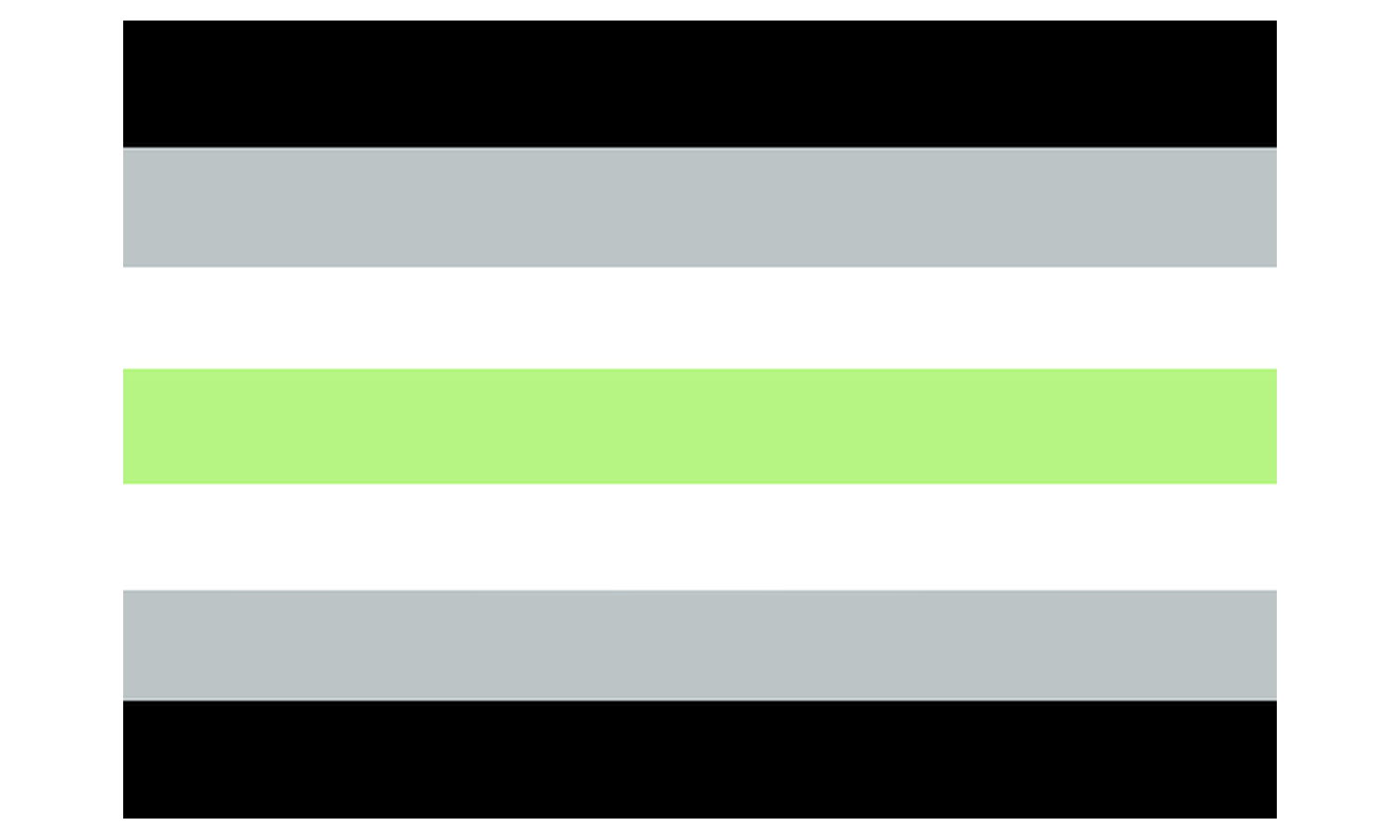
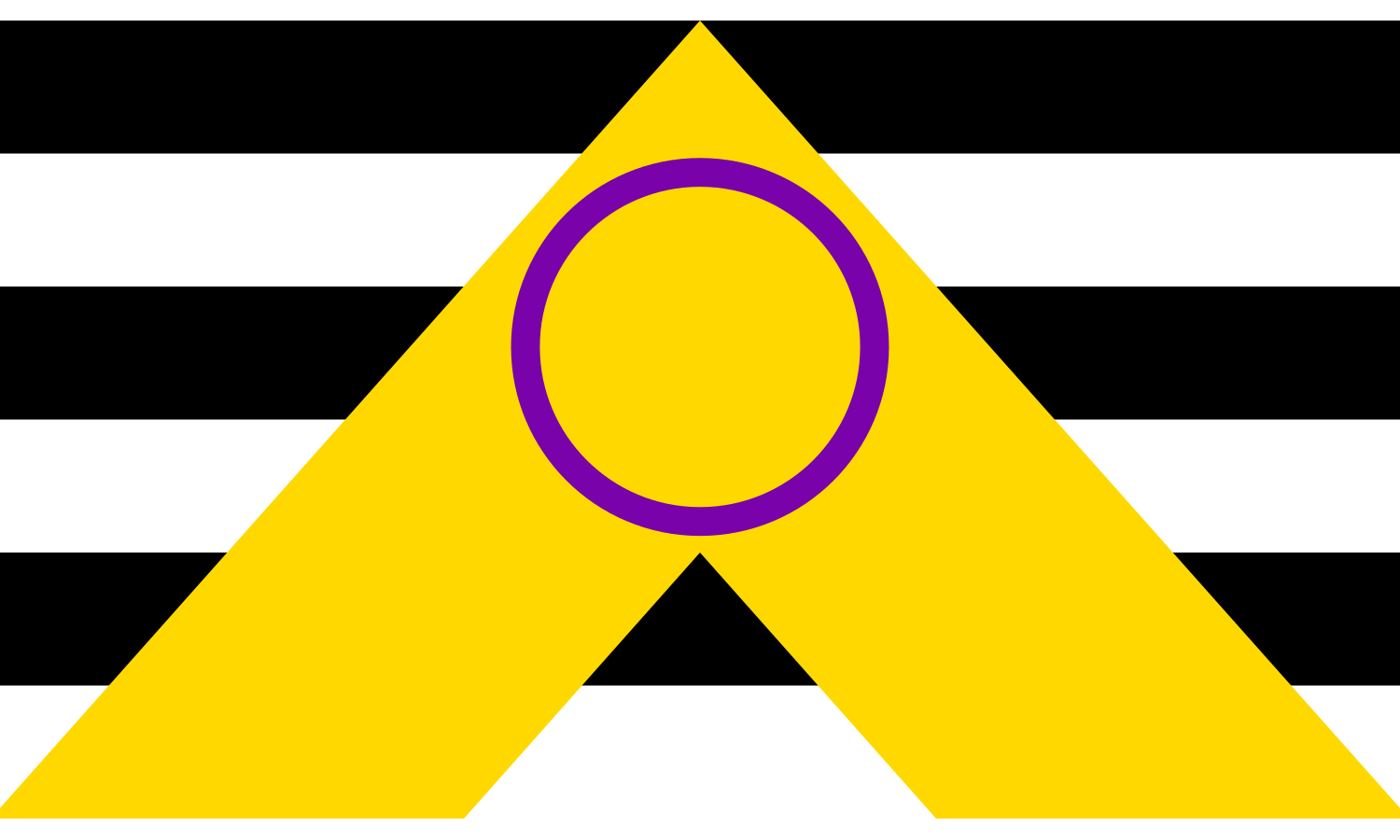
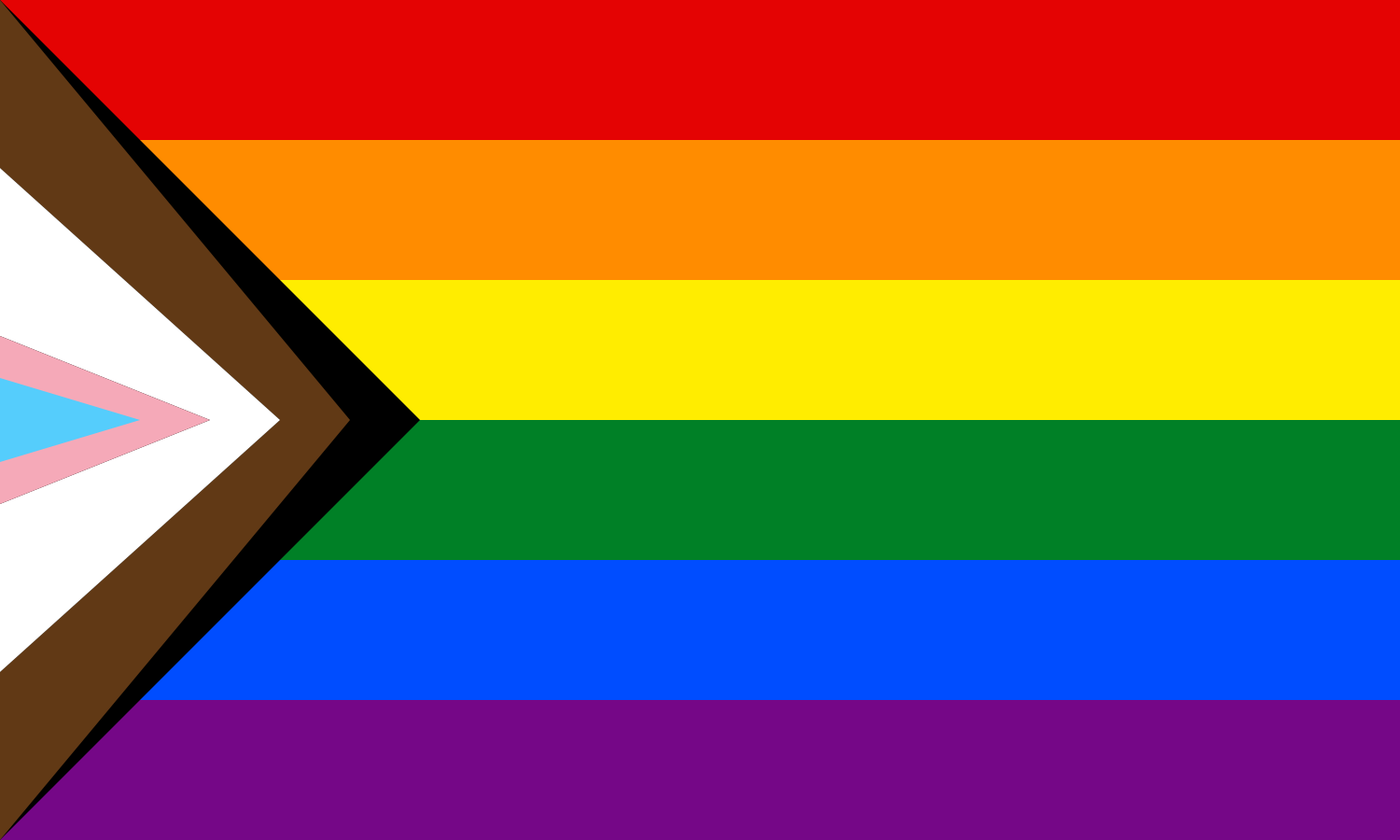
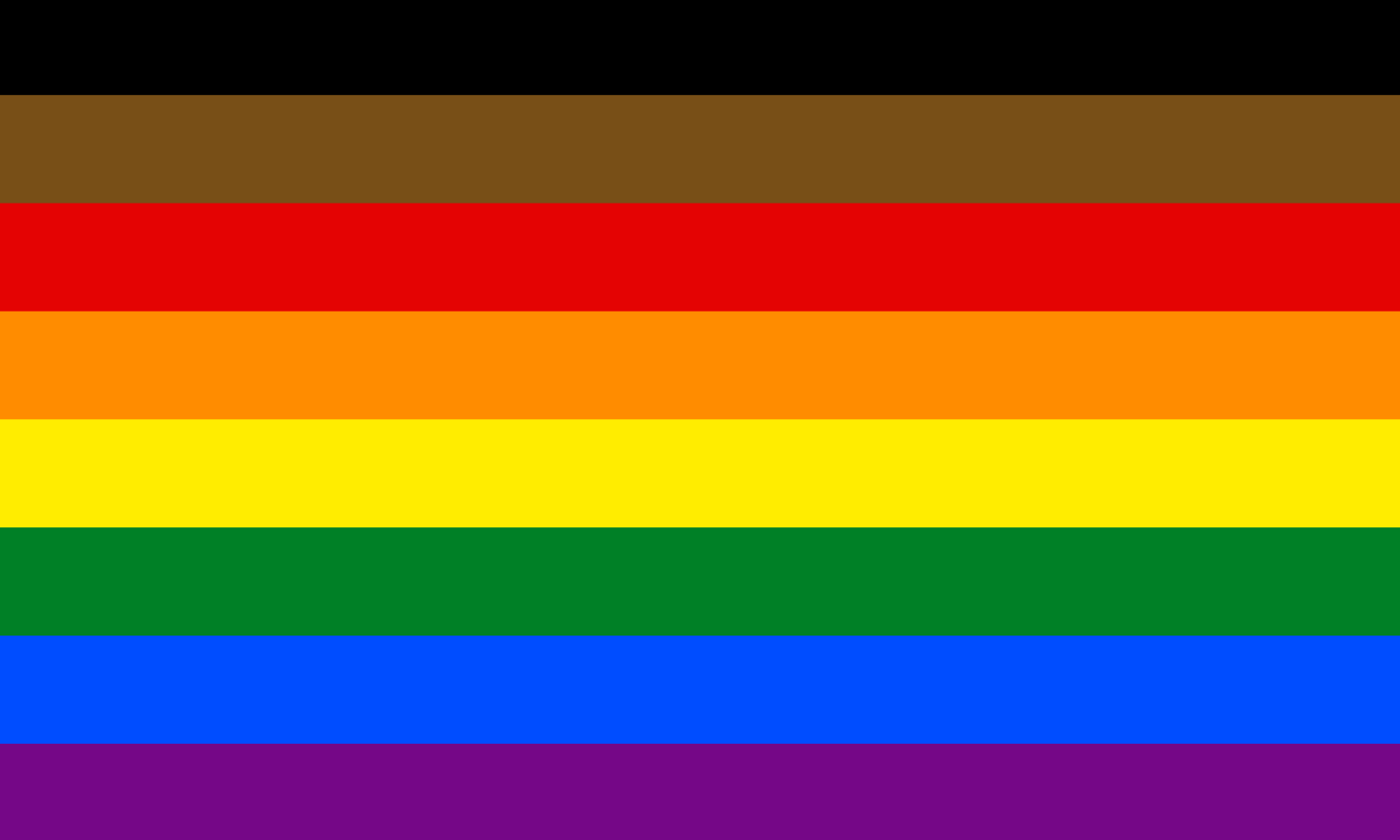
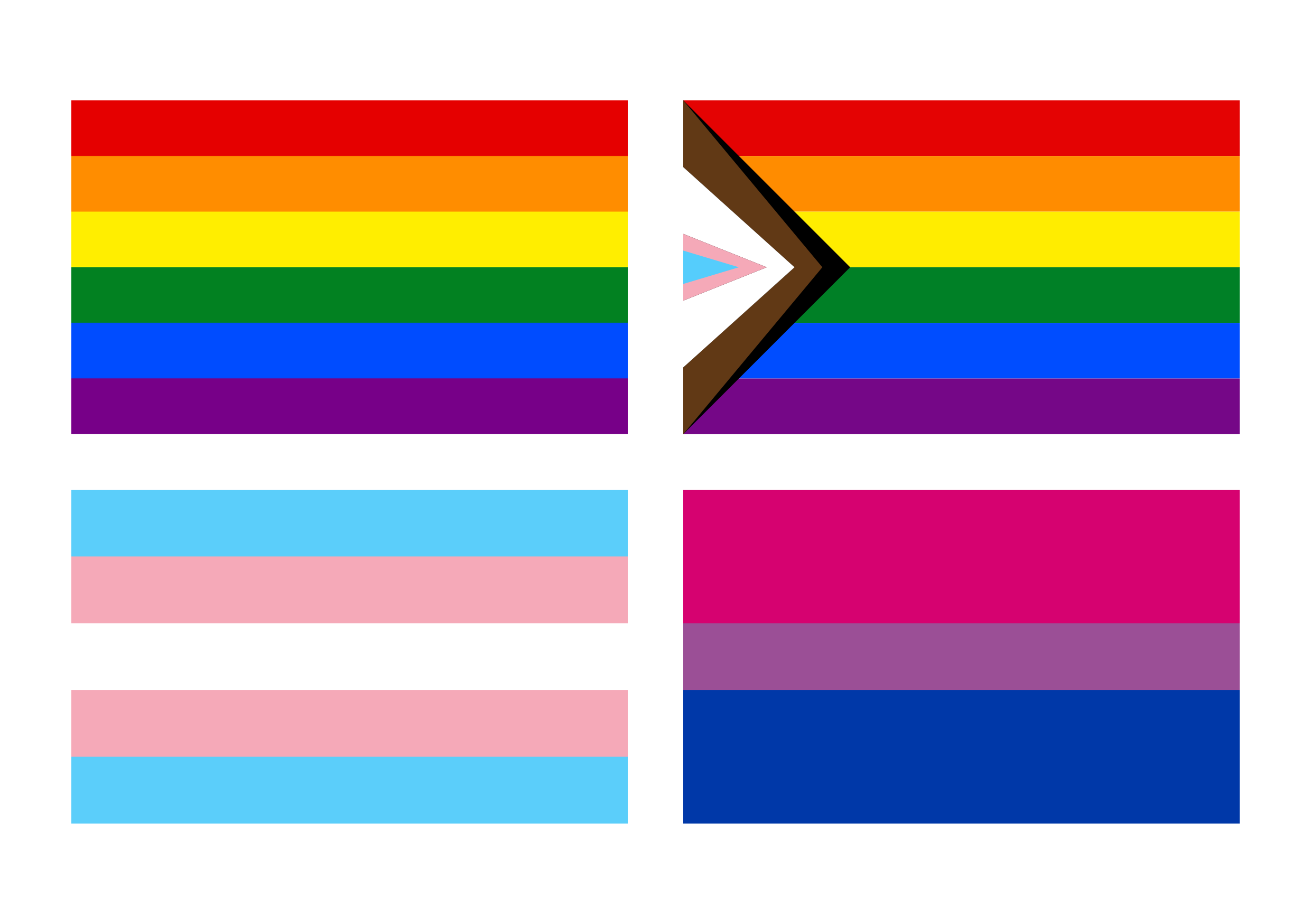
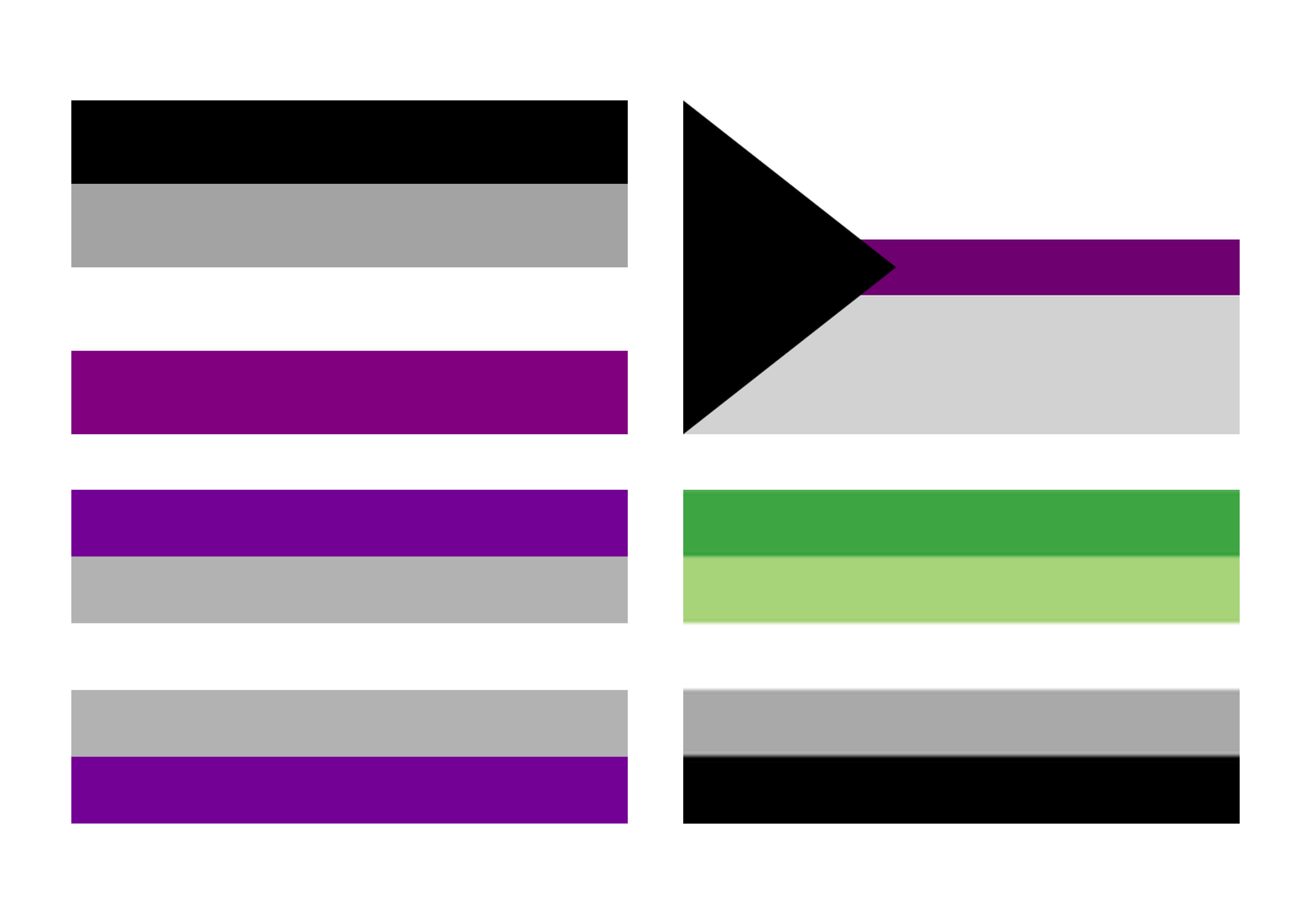
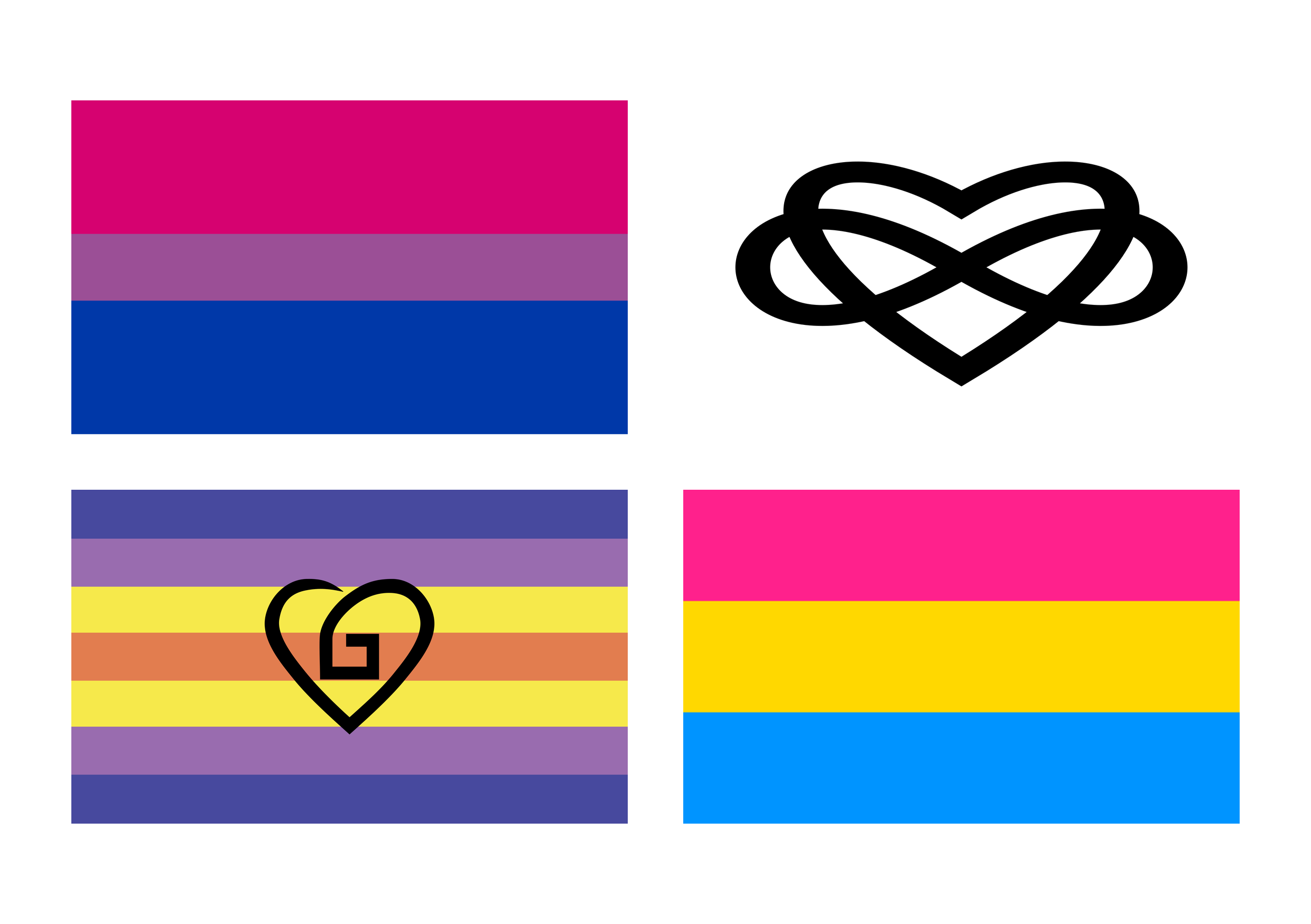
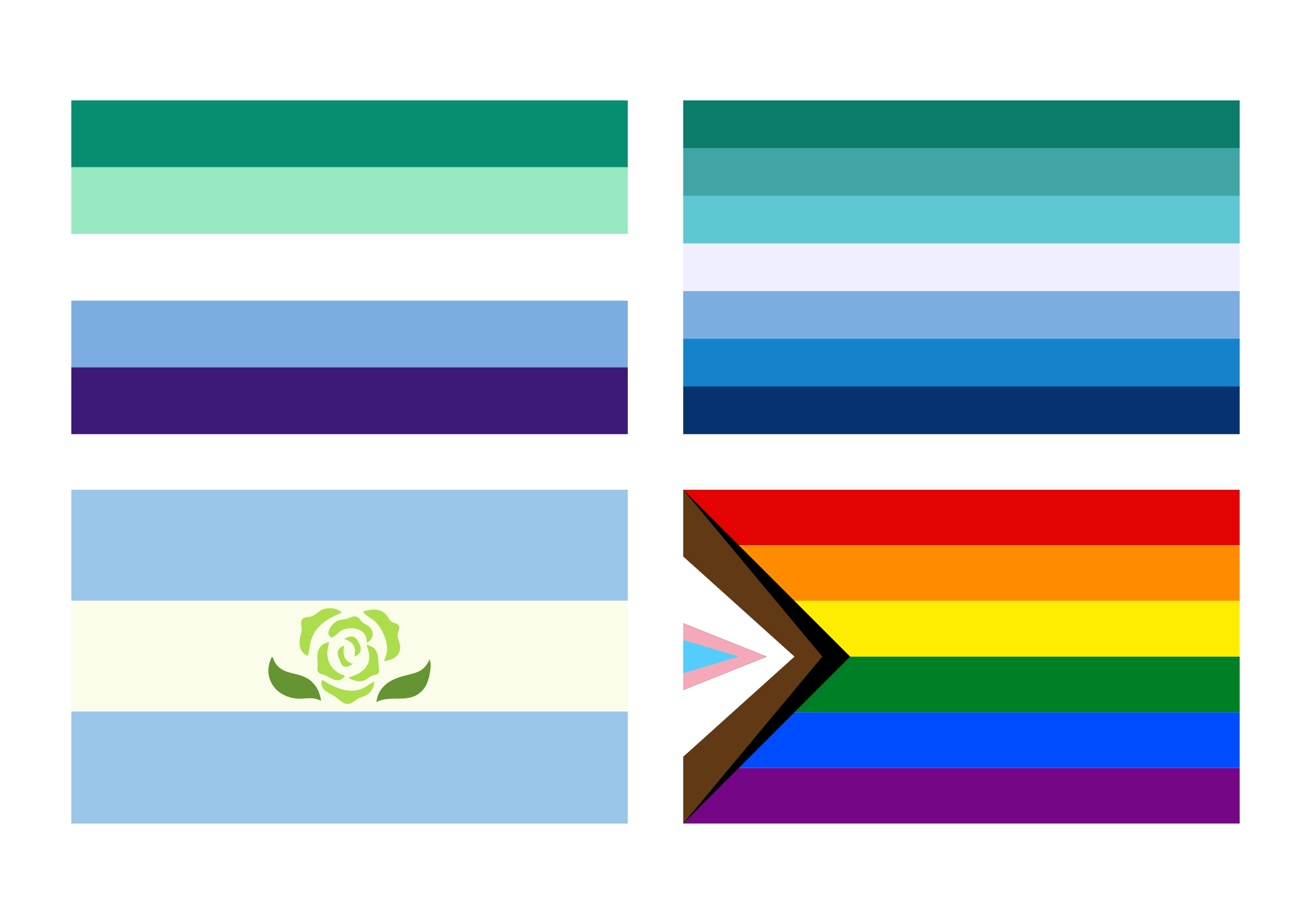
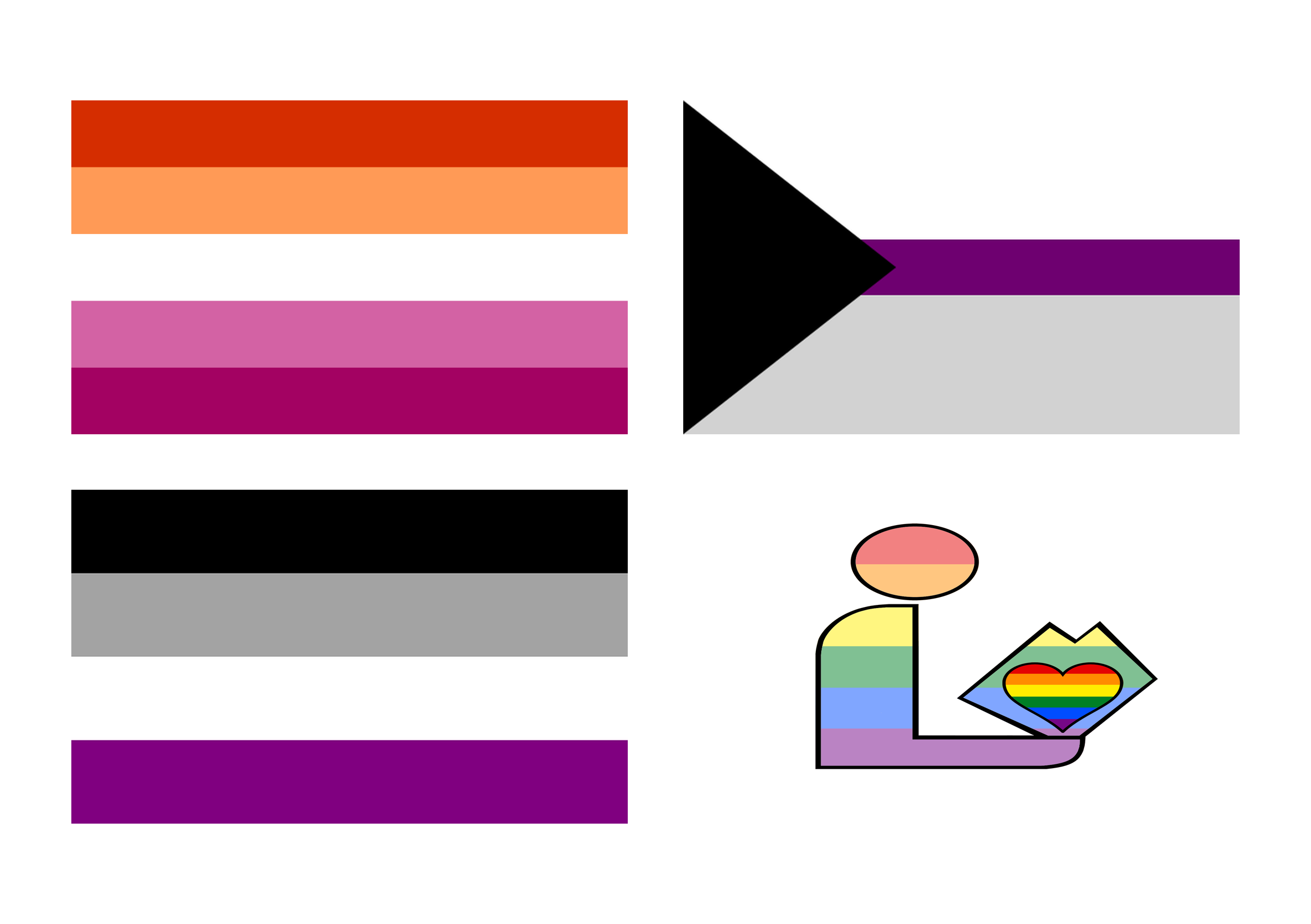
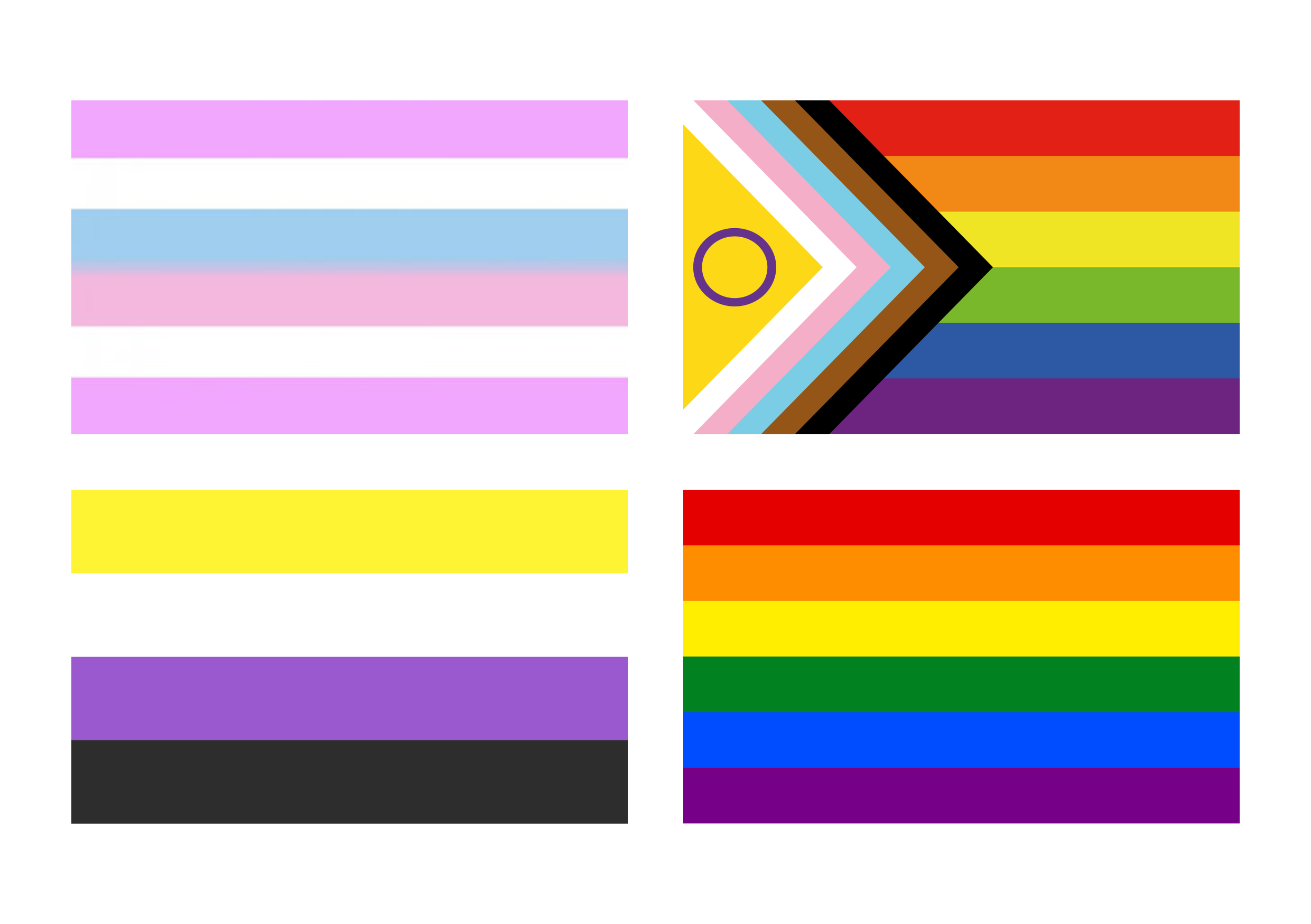
The iconic six-stripe rainbow flag standing for LGBTQ+ people—everyone whose sexuality or gender doesn't fit straight, cisgender norms—and their shared pride.
The Rainbow Pride Flag was created by Gilbert Baker, a gay artist and activist, in 1978 at the request of Harvey Milk, the first openly gay elected official in California. Baker designed the flag for the San Francisco Gay Freedom Day Parade, initially creating an eight-stripe version with colors representing sexuality (hot pink), life (red), healing (orange), sunlight (yellow), nature (green), magic/art (turquoise), serenity/harmony (blue), and spirit (violet). The flags were hand-dyed and sewn by Baker and thirty volunteers at the San Francisco Gay Community Center. Following Harvey Milk's assassination in November 1978 and surging demand for the flag, commercial manufacturers simplified the design to six stripes by removing hot pink and turquoise due to production constraints. This six-stripe version became the global standard. Baker drew inspiration from both the American flag and Judy Garland's "Over the Rainbow," intentionally choosing the rainbow as a universal symbol belonging to no single person. The flag became one of the most widely recognized symbols in the world, and in 2015, the Museum of Modern Art in New York acquired a Baker rainbow flag for its permanent collection. Baker passed away on March 31, 2017.