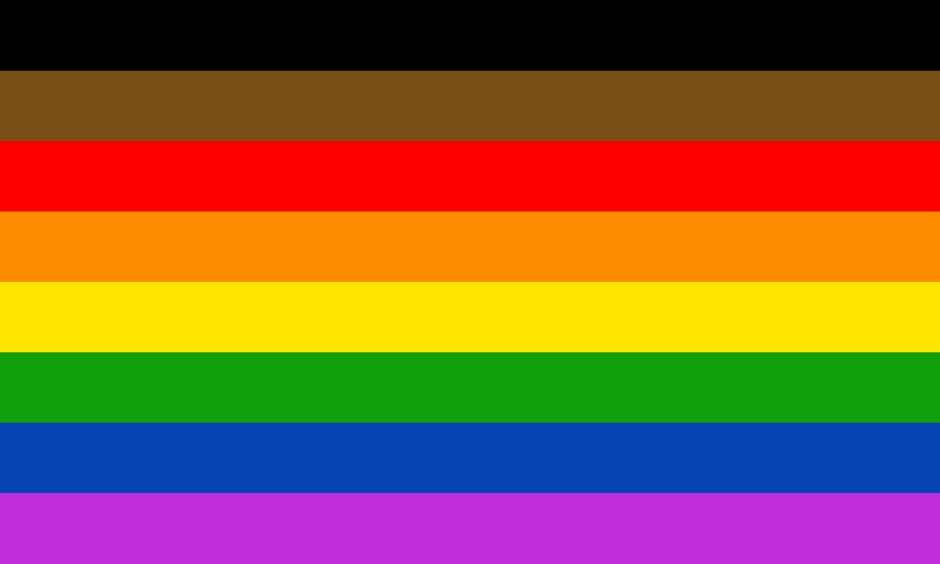
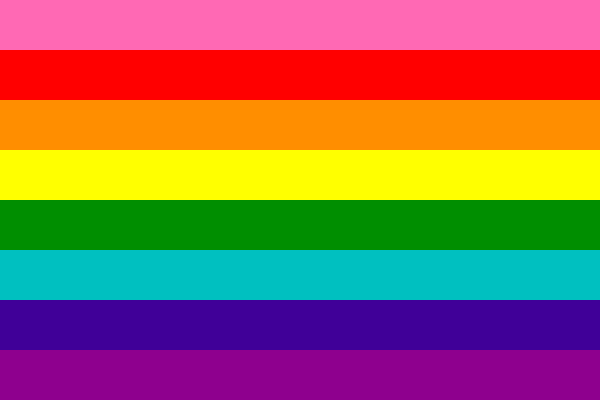
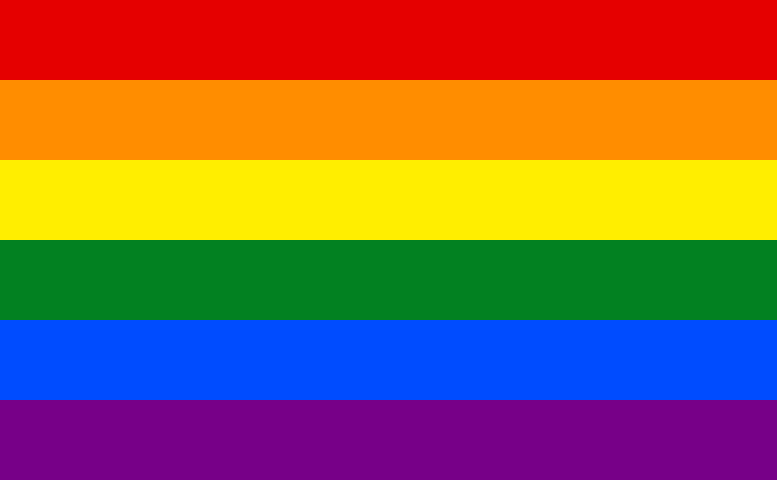
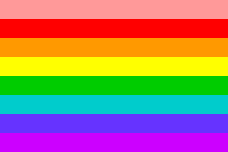
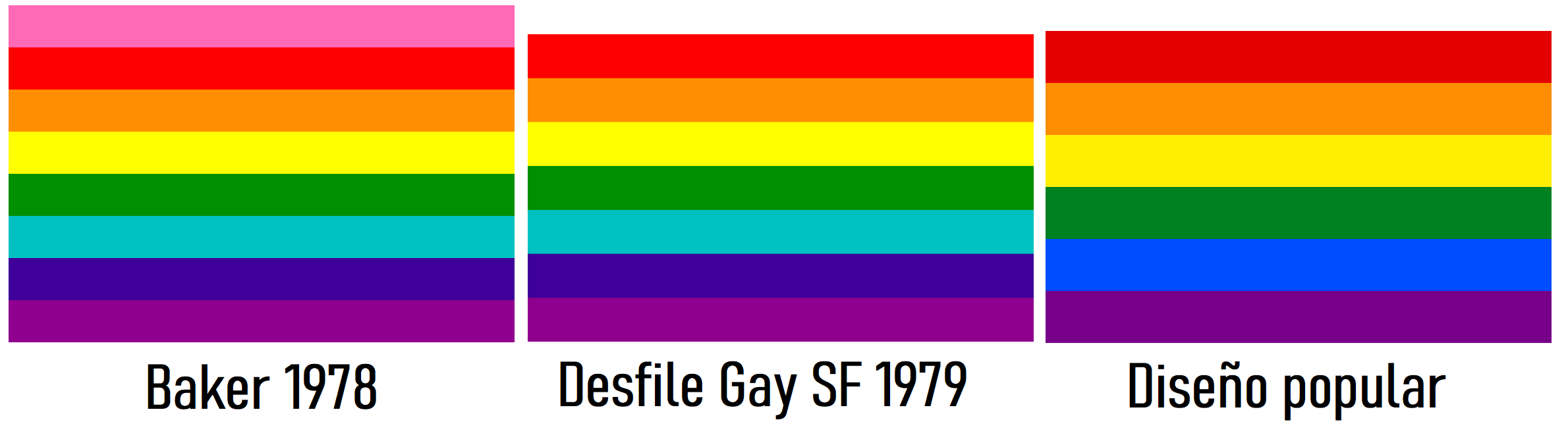
The iconic rainbow flag symbolizing LGBTQ+ pride and diversity—people of all sexual orientations and gender identities outside the straight and cisgender norm.
These colors represent important ideas connected to this flag and community.
History
The rainbow pride flag represents LGBTQ+ people—those whose sexual orientations or gender identities fall outside straight and cisgender norms. Gilbert Baker designed it in 1978 in San Francisco, first flying it at the city's Pride Parade on June 25 that year. The original eight-stripe version used pink for sexuality, red for life, orange for healing, yellow for sunlight, green for nature, turquoise for art, blue for harmony, and purple for spirit; the simplified six-stripe version is now most common and inspired hundreds of identity-specific pride flags.