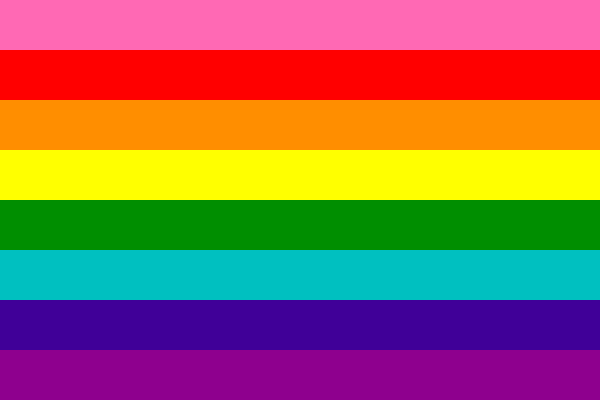
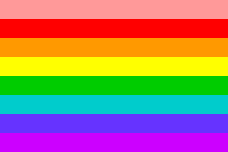
The original eight-stripe rainbow flag designed by Gilbert Baker in 1978 for San Francisco's Gay and Lesbian Freedom Day Parade, representing gay liberation and pride.
These colors represent important ideas connected to this flag and community.
History
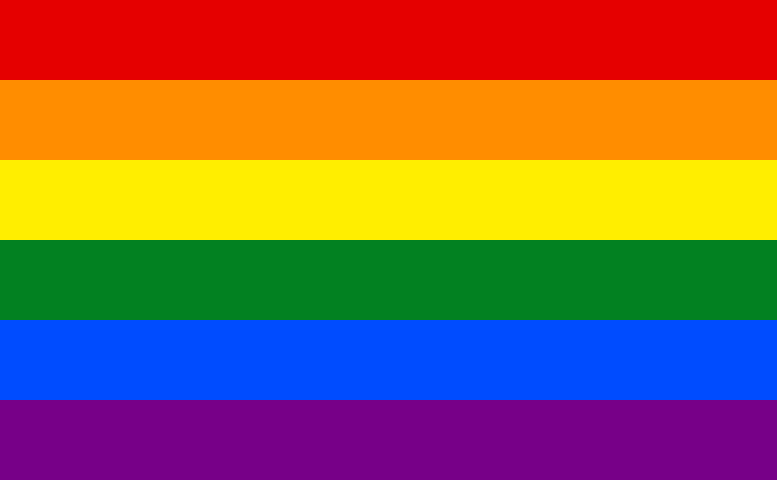
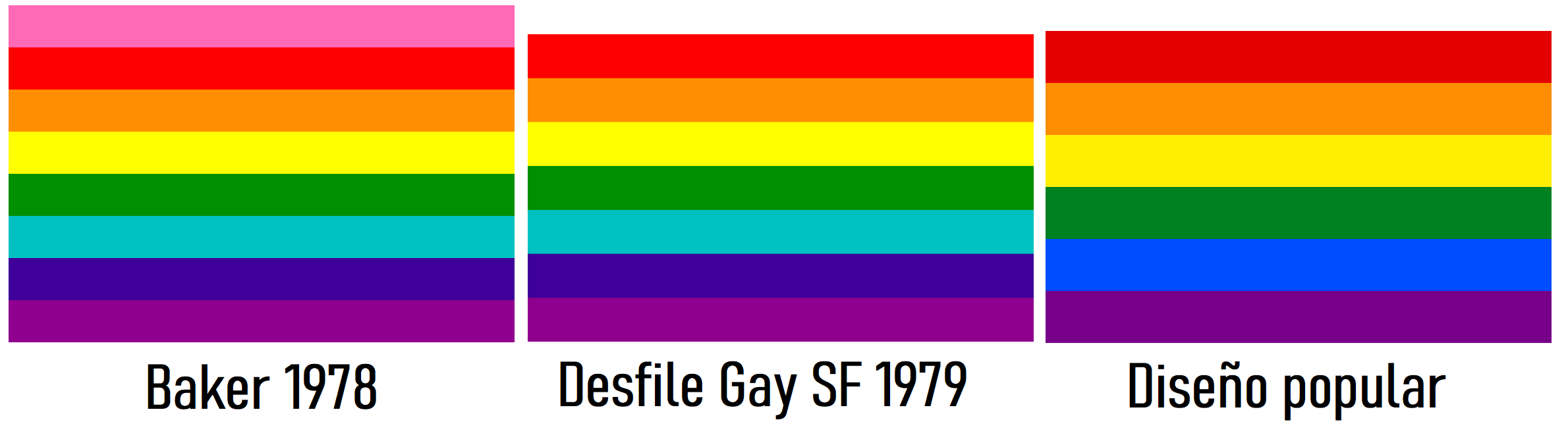
The eight-stripe rainbow flag was designed by Gilbert Baker in 1978 for the Gay and Lesbian Freedom Day Parade in San Francisco. Baker, a prominent LGBTQ+ activist and artist, hand-dyed and sewed the first flag using fabric from a local store. The original design featured eight horizontal stripes, each color carrying symbolic meaning: hot pink represented sexuality, red represented life, orange represented healing, yellow represented sunlight, green represented nature, turquoise represented magic and art, blue represented harmony, and purple represented spirit. This eight-stripe version became the first widely adopted pride flag and represented the gay liberation movement during a pivotal moment in LGBTQ+ history. The flag later evolved into the six-stripe version still used today after Baker removed the hot pink and turquoise stripes in 1979 to create a design that could be divided evenly for parades. The original eight-stripe design remains historically significant as the foundation of modern pride vexillology and continues to be flown at pride events and in LGBTQ+ spaces as a tribute to the movement's origins.